The key facts
- Rospotrebnadzor advises checking medicine supplies twice a year and names the bathroom, kitchen counters and windowsills as unsuitable storage places
- Room temperature for medicines is 15–25 °C, a cool place is 8–15 °C, a refrigerator is 2–8 °C
- Expired and spoiled medicines must not be flushed down the toilet — it is safer to hand them in at a specialized collection point
Why a first-aid kit spoils in the bathroom
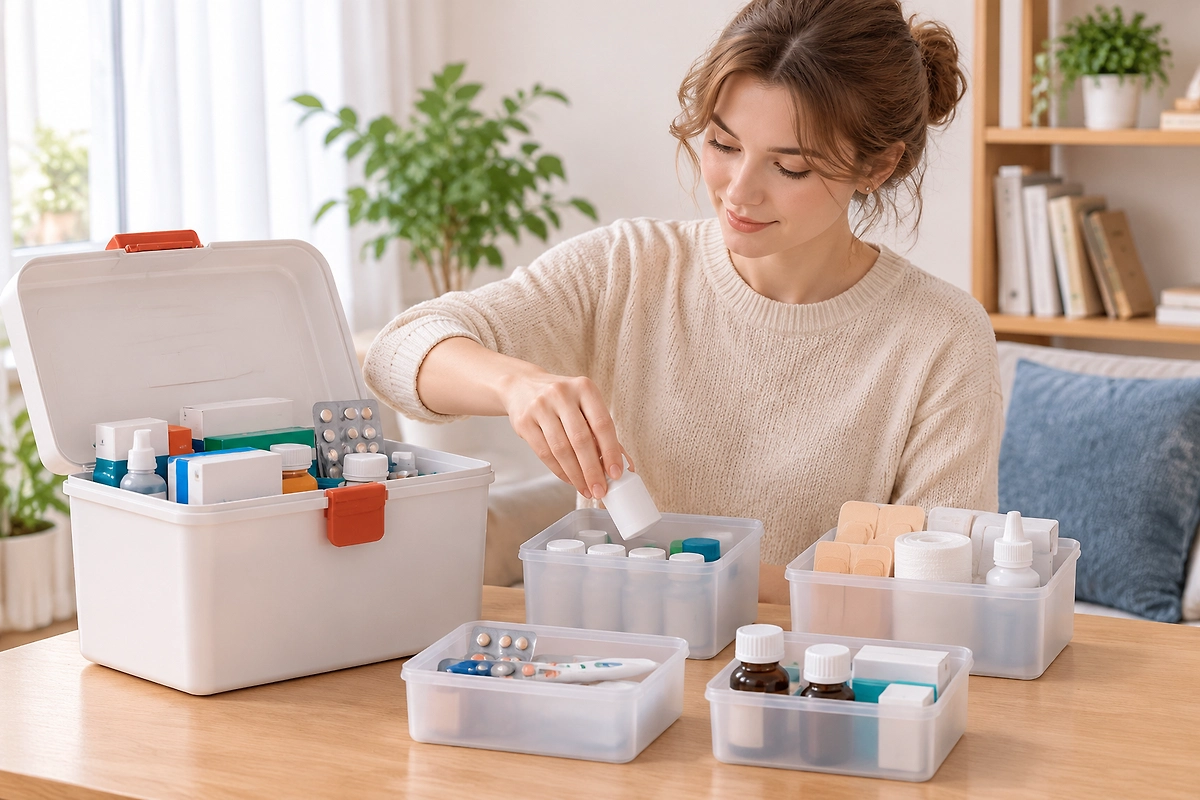
Reviewing your home first-aid kit is a simple way to check your medicine supplies and tidy up. Rospotrebnadzor advises carrying out such a check twice a year: looking at expiration dates, the appearance of the medicines and storage conditions. This is covered in a piece about the home first-aid kit published by Life.ru.
Where to store medicines
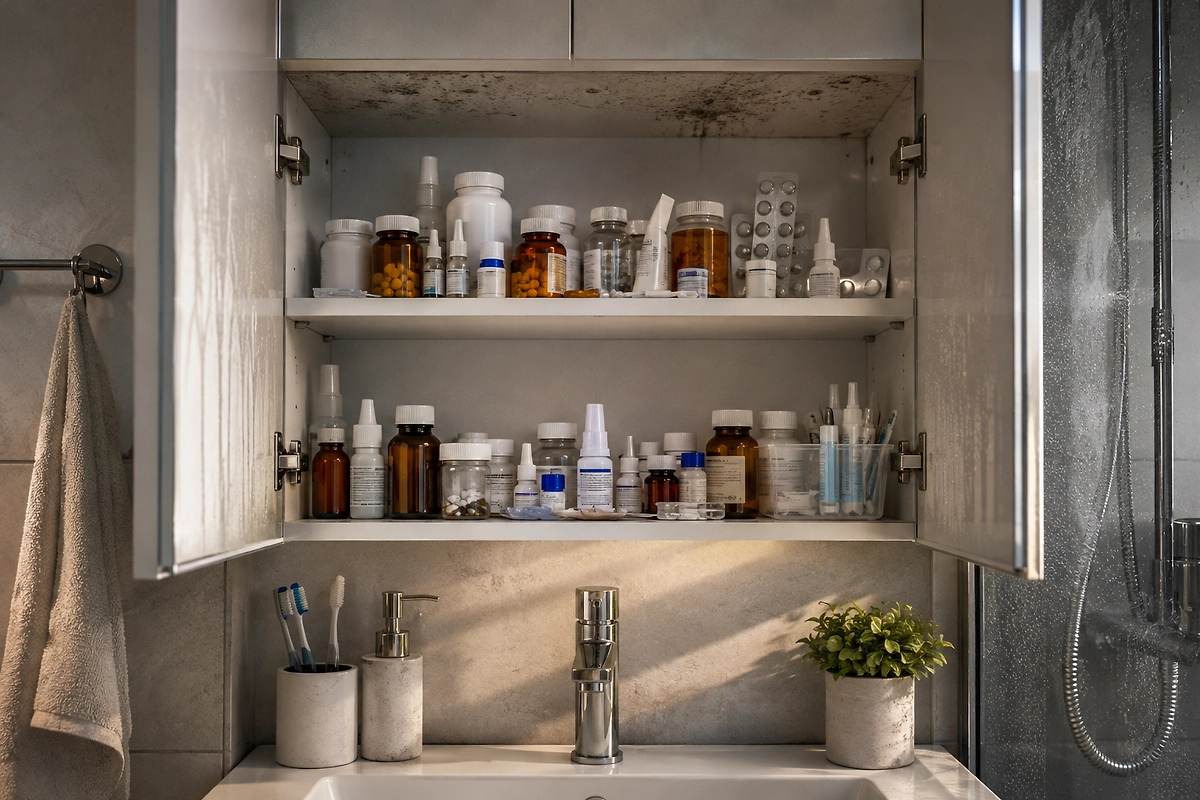
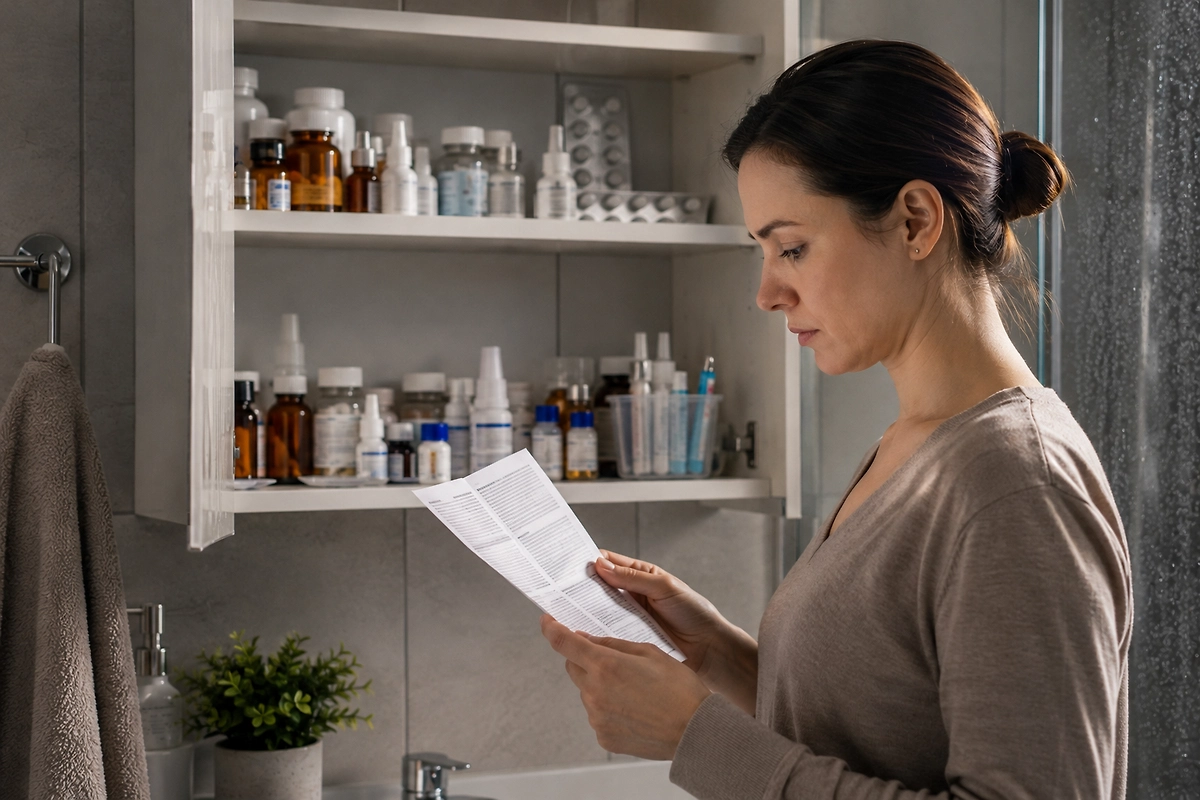
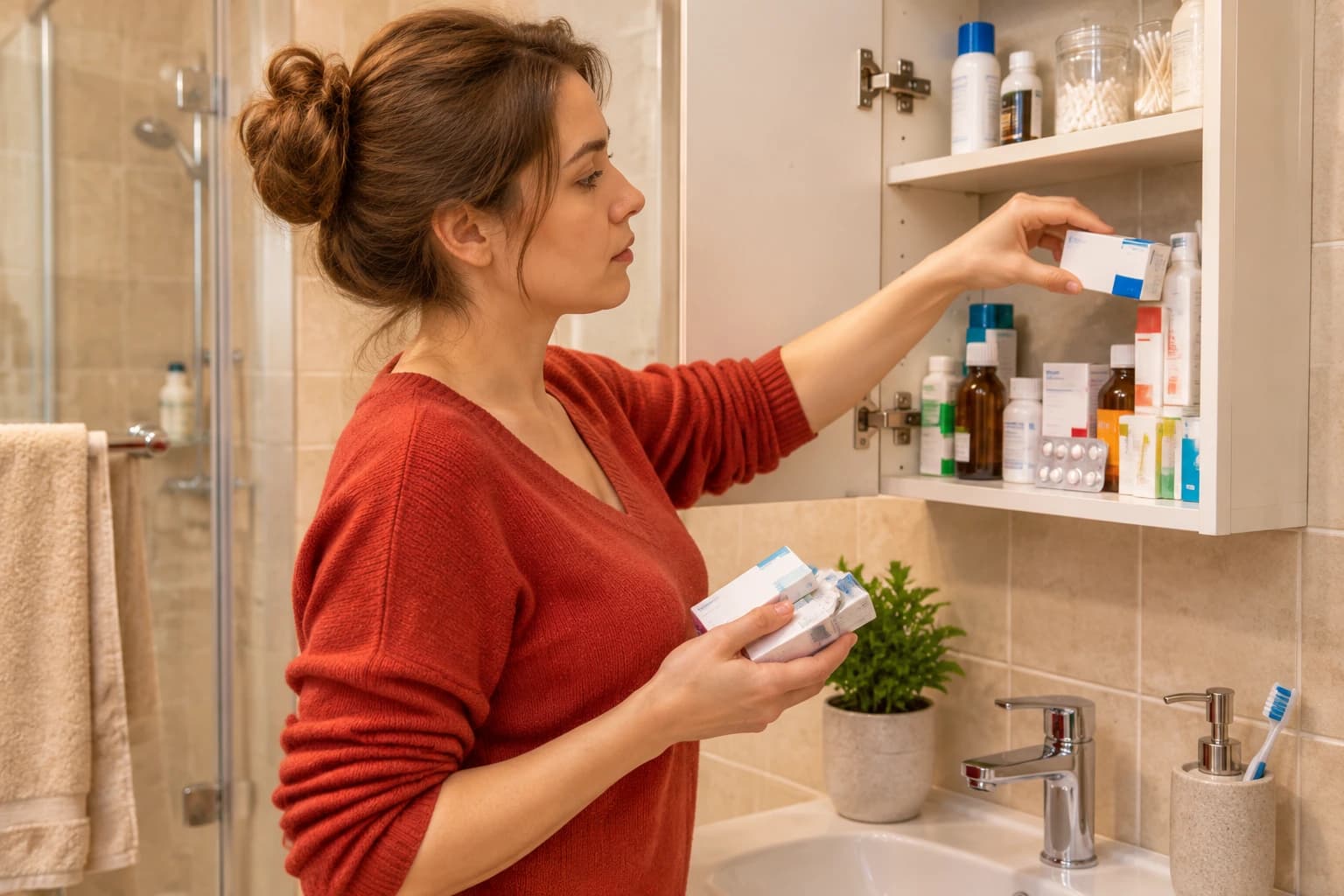
A cabinet above the sink may seem like a convenient spot, but that is exactly where medicines spoil fastest: after a hot shower, humidity and temperature change sharply, moisture destroys tablets and capsules, and they crumble, stick together and lose their potency. Rospotrebnadzor explicitly names the bathroom, kitchen counters and windowsills as places where medicines must not be stored. The kitchen is also unsuitable because of heat from the stove and oven, while the windowsill is dangerous due to direct sunlight, which destroys active ingredients.
Temperature and review
You should follow the instructions: room temperature for medicines means 15 to 25 degrees, a cool place means 8 to 15, and a refrigerator means 2 to 8. Medicines kept in the refrigerator should not be placed on the door, where the temperature fluctuates, and they must not be allowed to freeze. The best place is a dark, dry cabinet or a dresser drawer in the bedroom or hallway, away from radiators.
What to check when sorting
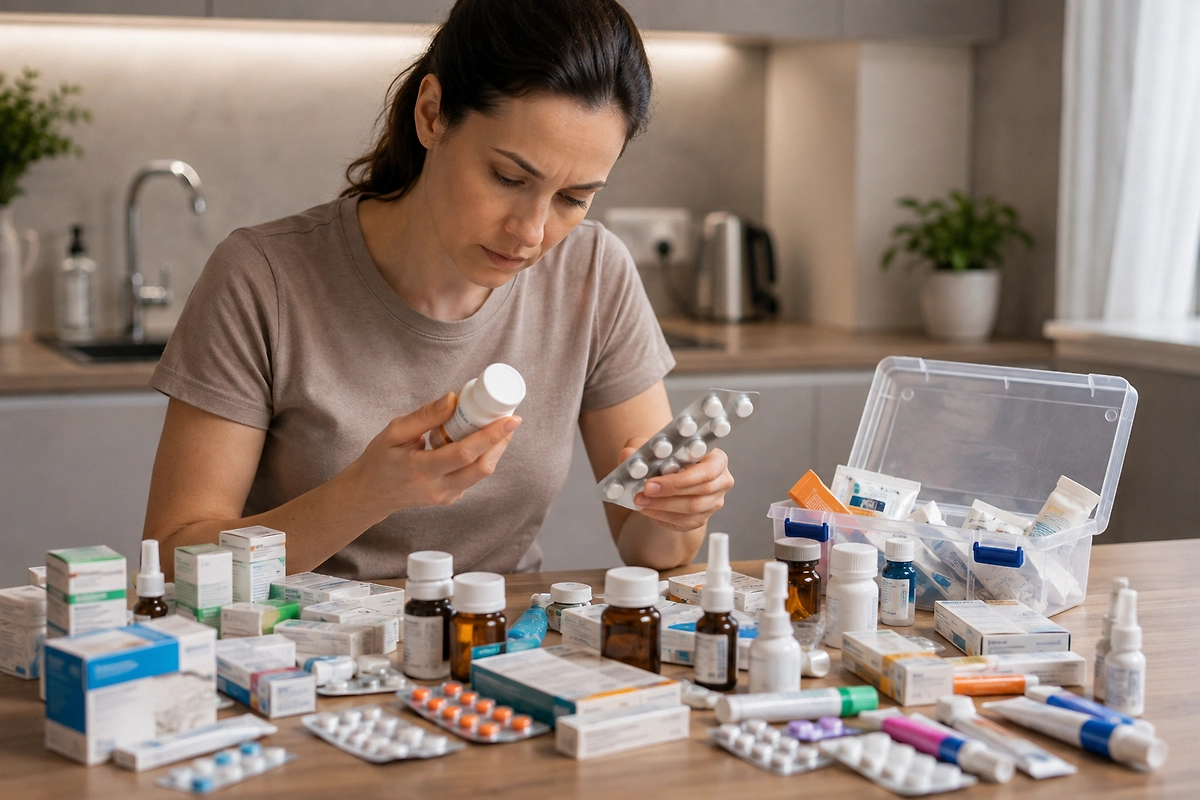
During the review, it is worth emptying the entire contents onto a table, checking the dates on every package and examining the medicines themselves: tablets that have changed color, ointment that has separated, or a syrup that has turned cloudy or smells strange should be disposed of even if the expiration date has not passed. Pay special attention to opened bottles: for drops, syrups and solutions, the shelf life after opening is much shorter than the main one, so it is useful to write the opening date on the box. Do not pour tablets into a single jar and throw away the boxes: the original packaging protects against light and moisture and contains the name, dosage and expiration date.
Order, children and disposal
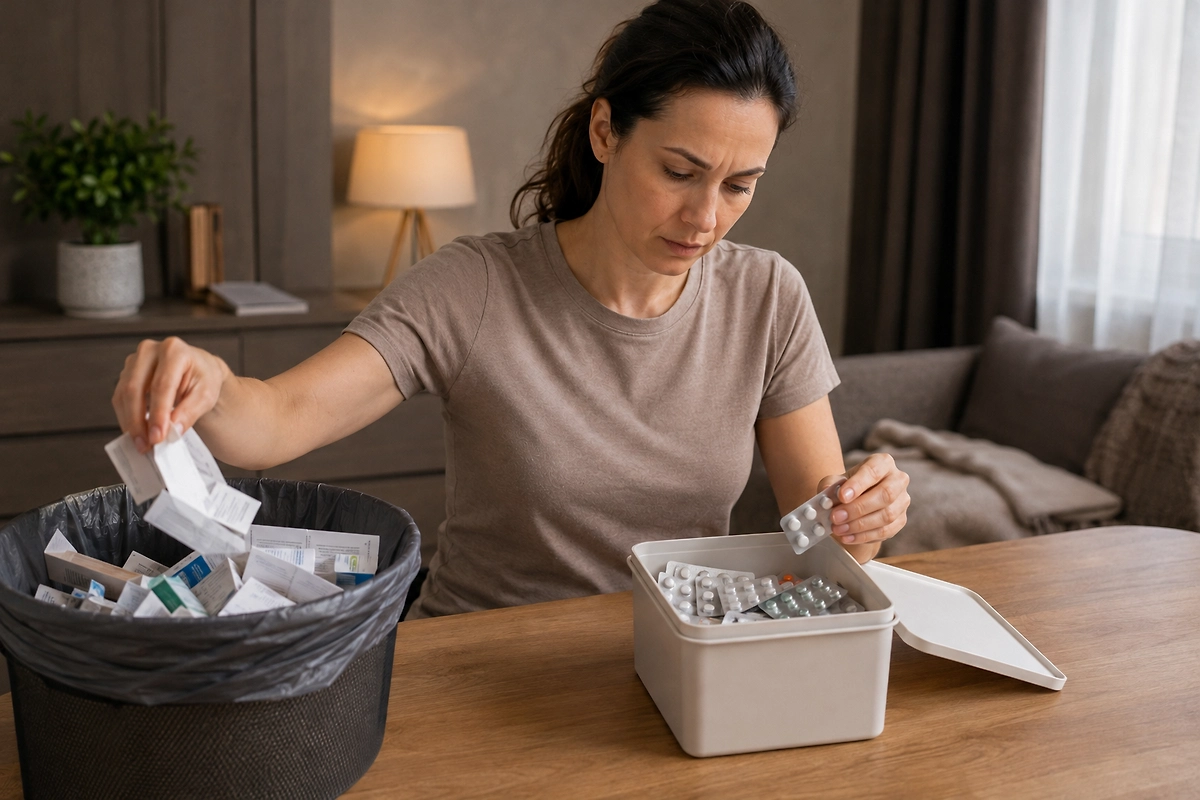
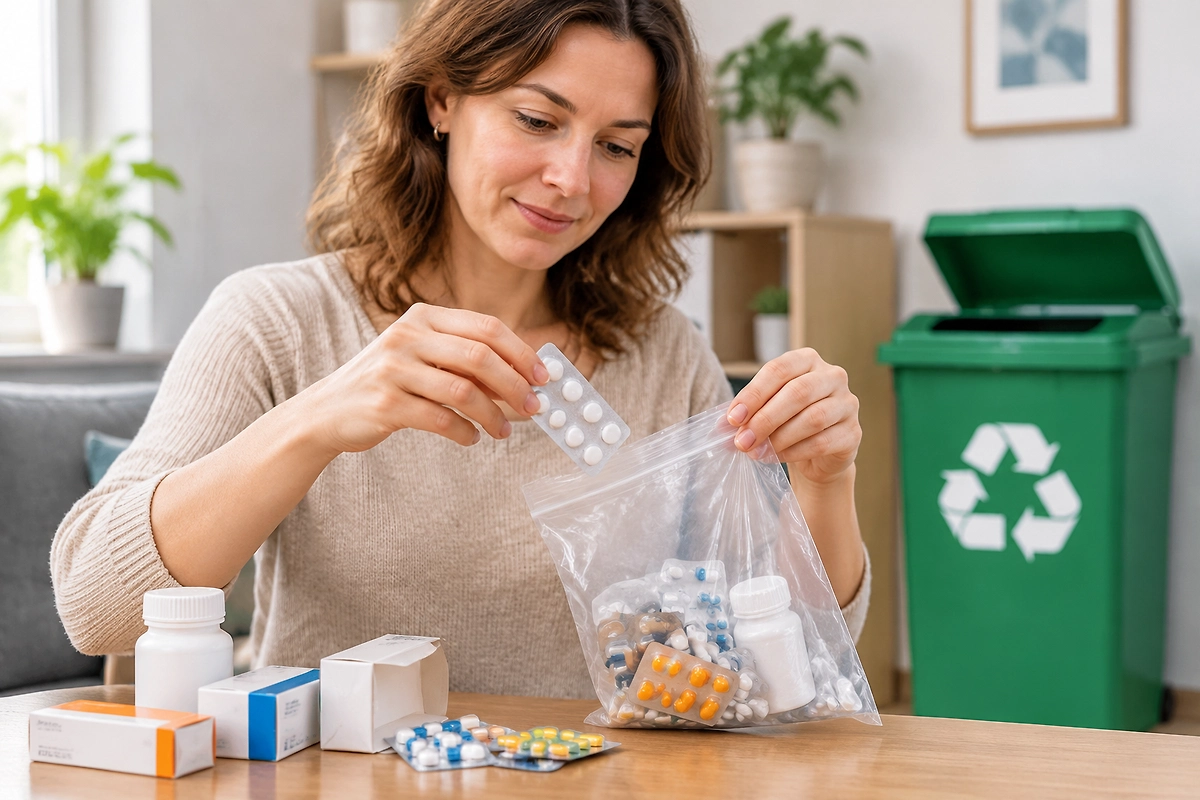
It is recommended to arrange medicines by purpose, keep a child's first-aid kit separate from an adult's, and store everything high up or in a lockable cabinet, out of the reach of children and pets. Pharmacologists do not advise buying medicines in advance 'just in case': it is better to buy only as much as the doctor prescribed for the course of treatment. Tablets must not be flushed down the toilet — active ingredients end up in wastewater. In Russia there is no outright ban on throwing medicines into a regular trash bin, but animals or people may find them there; it is safer to hand them in at a specialized collection point, having clarified the preparation rules in advance.