The key facts
- Putin’s meeting with the new cabinet on November 5 began with the topic of secondary vocational education
- The report was assigned to Education Minister Sergei Kravtsov
- The agenda also included work with citizens’ appeals and the use of AI for feedback
The meeting opened with the topic of vocational education
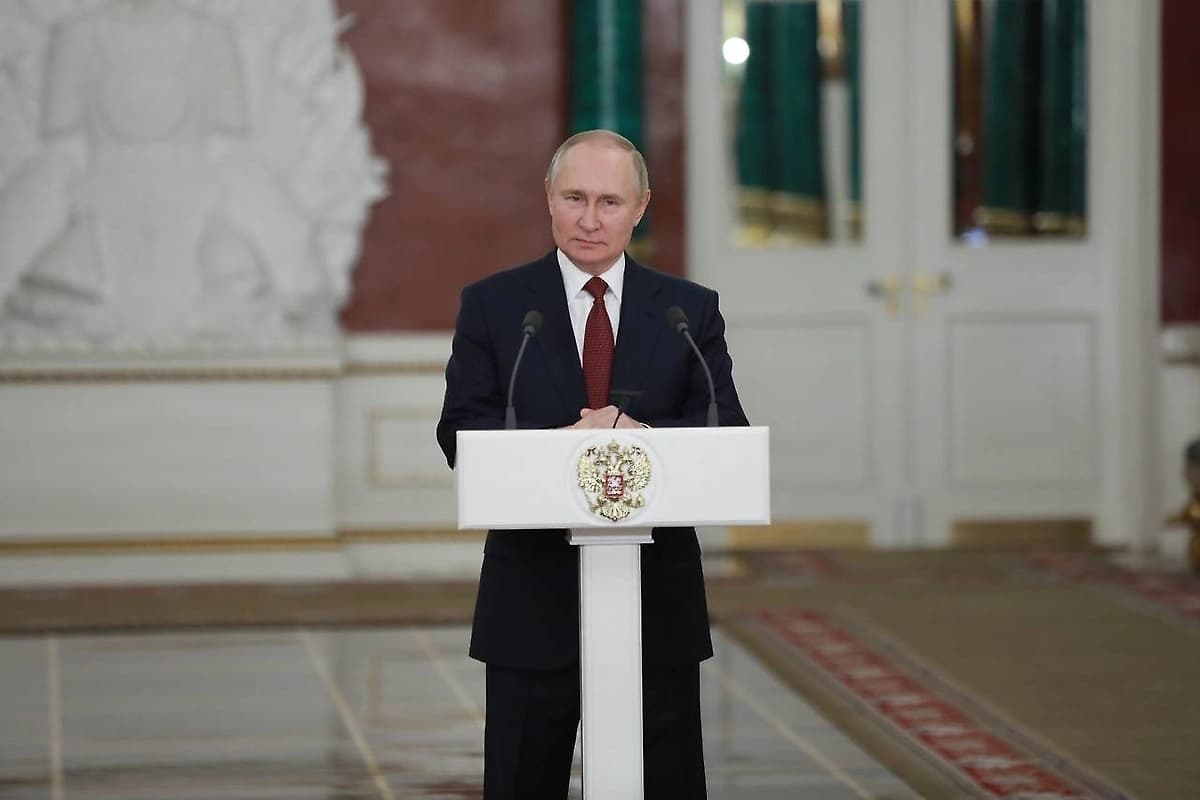
On November 5, Russian President Vladimir Putin held a videoconference meeting with members of the government, and the first item on its agenda was the development of the secondary vocational education system. This was reported by Life.ru. Putin emphasized that the topic remains highly in demand and that the authorities work on it on a regular basis: “Our first question today is the development of the secondary vocational education system. We work on this with you on a regular basis, constantly. It is a very much in-demand topic.”
Who is reporting and what else is on the agenda
The president asked Education Minister Sergei Kravtsov to deliver the report on the education topic; the discussion is devoted to training specialists at colleges and technical schools. In addition, the agenda includes work with citizens’ appeals — participants plan to examine options for using artificial intelligence to improve feedback from the population. Among the announced speakers is also Mikhail Kuznetsov, head of the executive committee of the All-Russia People’s Front.
Context: the vocational education topic has been under watch since February
Secondary vocational education covers colleges and technical schools that train skilled workers and mid-level specialists; issues of modernizing such institutions and aligning their programs with employers’ needs have already been raised repeatedly at the federal level. Notably, it was precisely this topic that opened the new cabinet’s meeting: back in February, Putin instructed the government to consider the possibility of renaming secondary vocational education, that is, changing the official name of this level of education. Earlier, the president also stated that every child in Russia must have equal opportunities for a quality education regardless of their place of residence — whether in a megacity, a small town, or a remote village.