The key facts
- Dmitry Peskov called accusations of Russia's cyberattacks on EU refrigerators absurd and unproven.
- Incidents of elevated refrigerator temperatures were recorded in Italy and Estonia, leading to food spoilage.
- The European Commission urged refraining from hasty accusations against Moscow.
Kremlin rejects accusations of cyberattacks on EU refrigerators
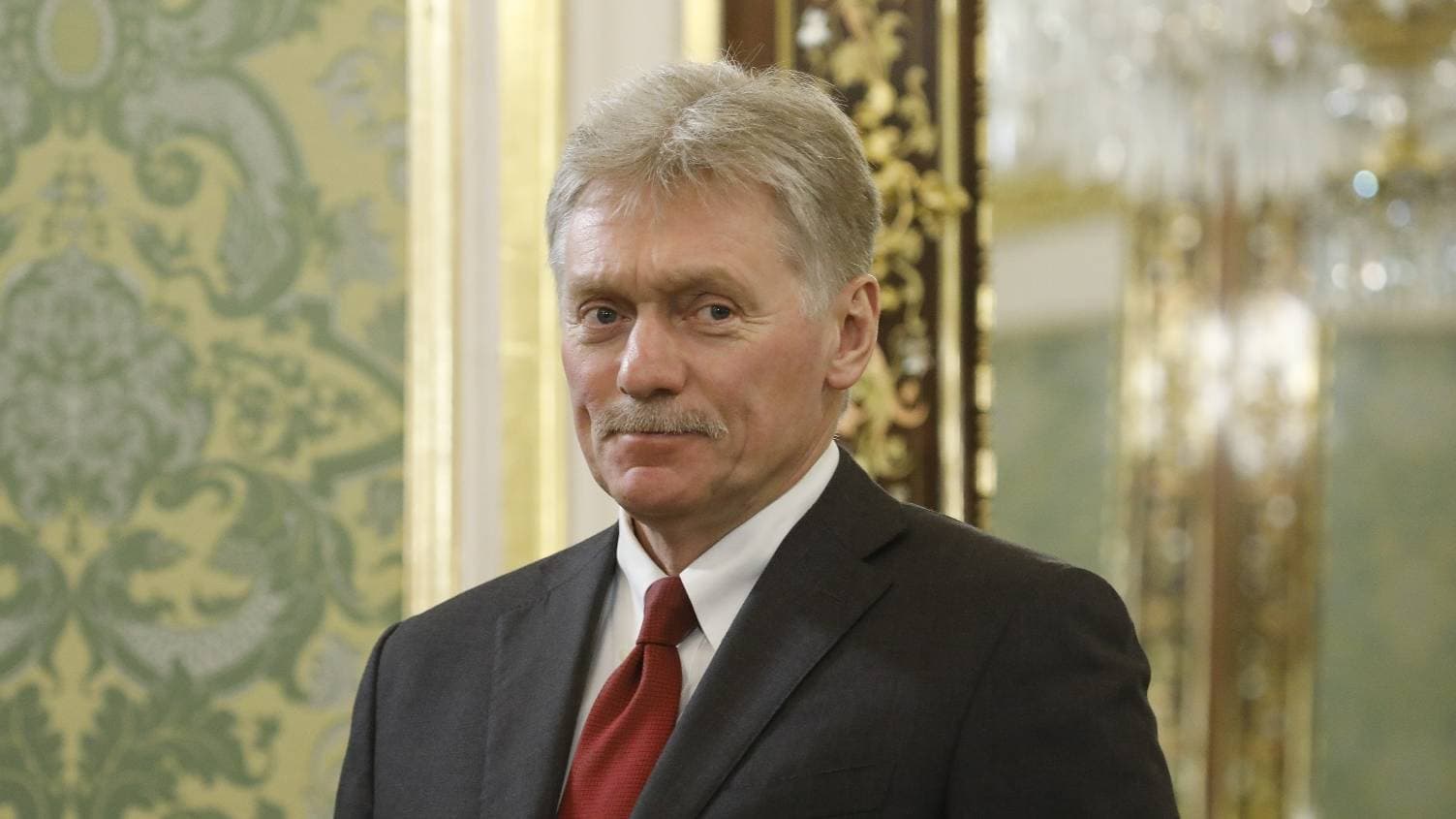
Press secretary of the Russian president Dmitry Peskov calledabsolutely absurdand outrageous the accusations against Russia linked to recent cyberattacks on supermarket cooling systems in European Union countries. According to him, such statements published by Danish and Swedish media are not supported by any evidence or argumentation. The Kremlin spokesman noted that the practice of baselessly assigning responsibility to Moscow for various incidents in Europe is becoming an established trend.
Timeline of incidents and geography of the attacks
The incidents began with reports of hacking of refrigeration equipment in Italy, where, according to the newspaper Il Messaggero, three stores in Rome and one outlet in the Sabaudia area were affected, resulting in the spoilage of tons of food. Earlier, on November 2, a similar attack hit a large retail chain in Estonia: attackers remotely raised the temperature in the chambers to +50 degrees. The European Commission urged not to rush to conclusions and not to blame Russia for these events without solid grounds.
Expert assessment and context
Some Western outlets, notably Politico, have suggested that these attacks may be part of Russia's hybrid war against Europe, but there is no official confirmation of this version. At the same time, amid growing cyber threats in the region, it was previously reported that up to 133 million dollars had been stolen from a major European bank, which experts link to the increased activity of hacker groups.