The key facts
- Vitaly Milonov believes the question of banning pizza in schools should be decided after surveying children and parents
- He doubts that school 'pizza' made of margarine, mayonnaise and sausages is a real dish
- Earlier, Elena Yampolskaya proposed developing Russian cuisine in school meals
The debate over pizza in school cafeterias
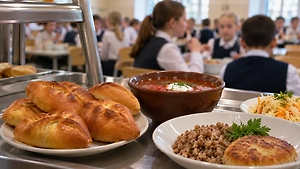
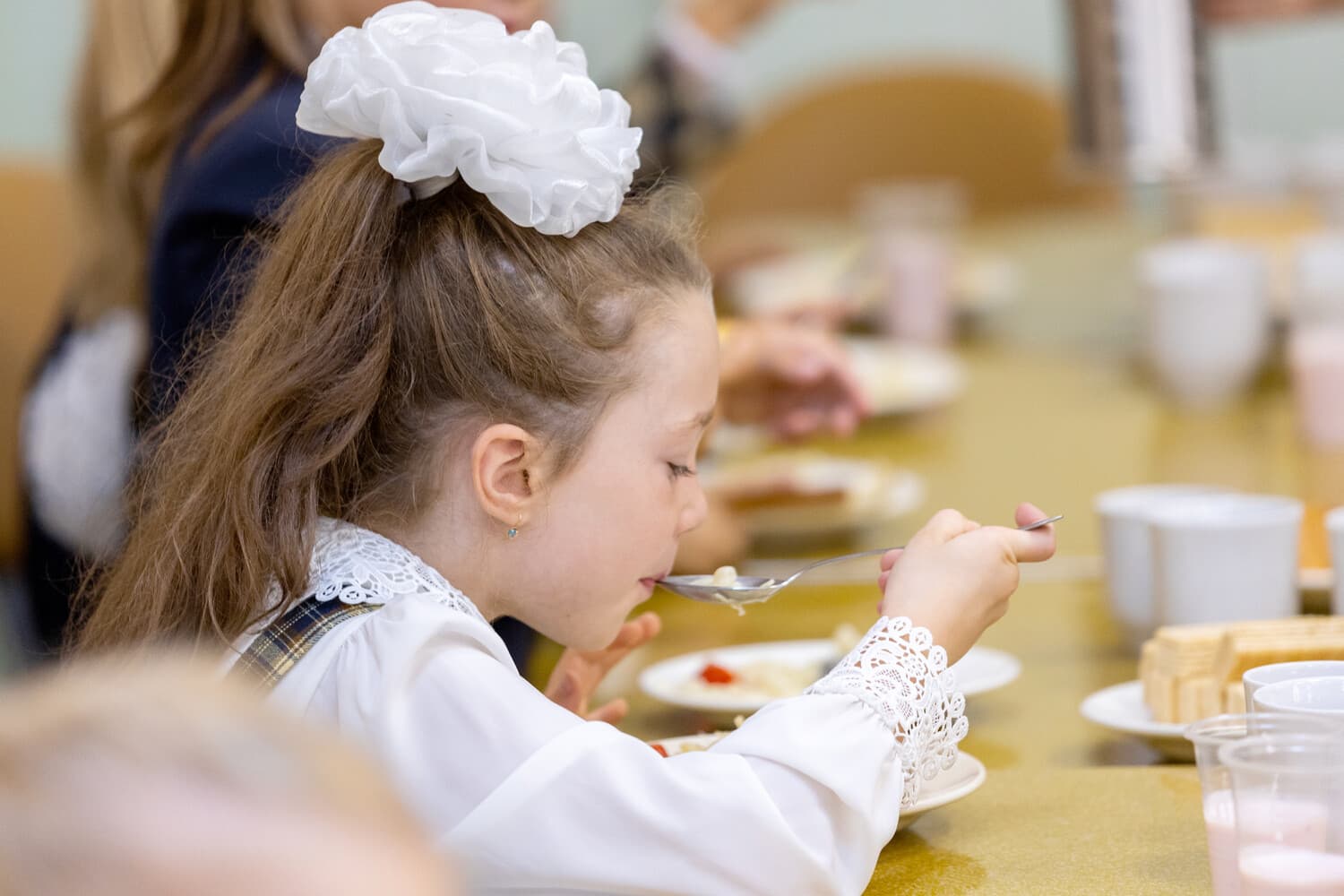
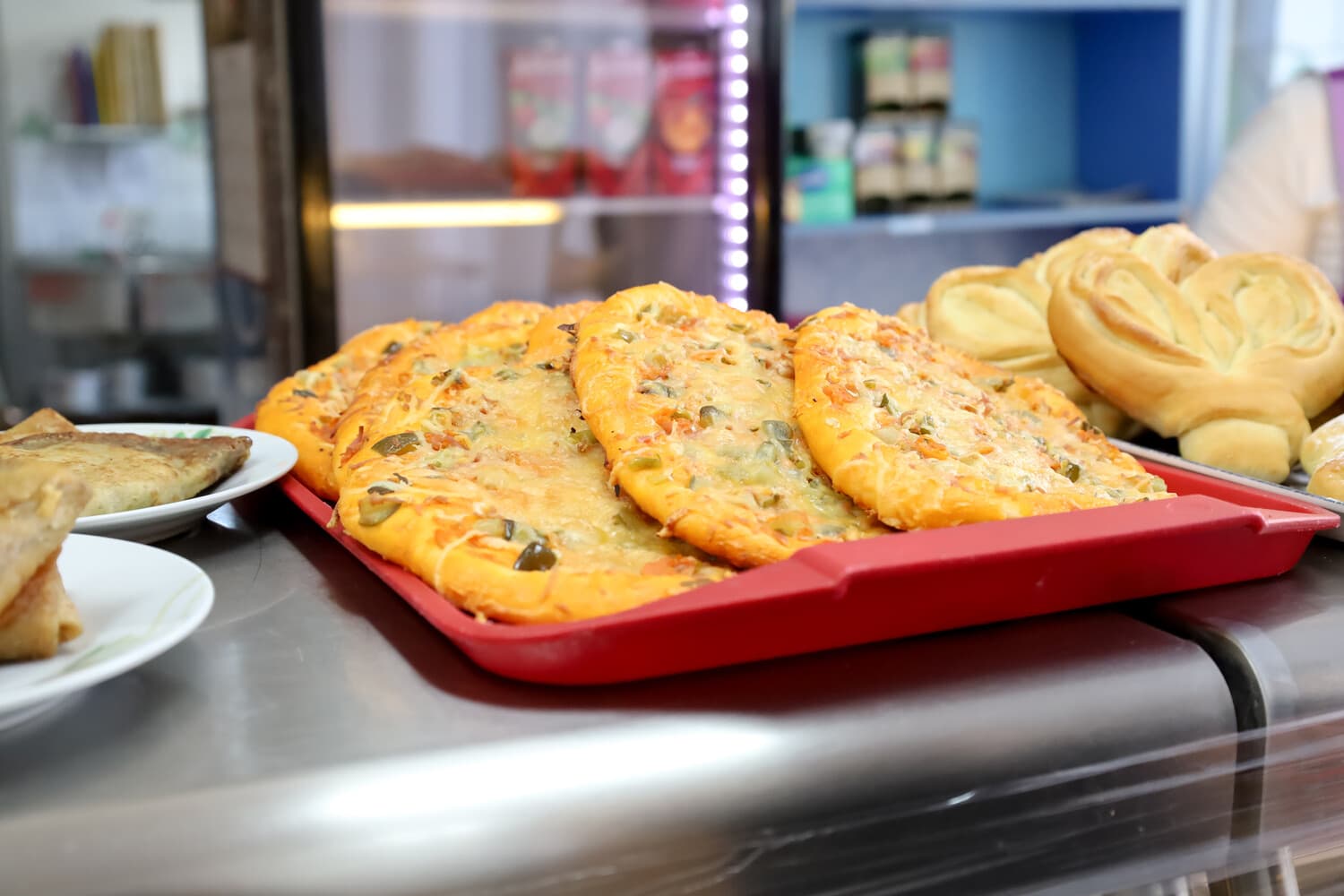
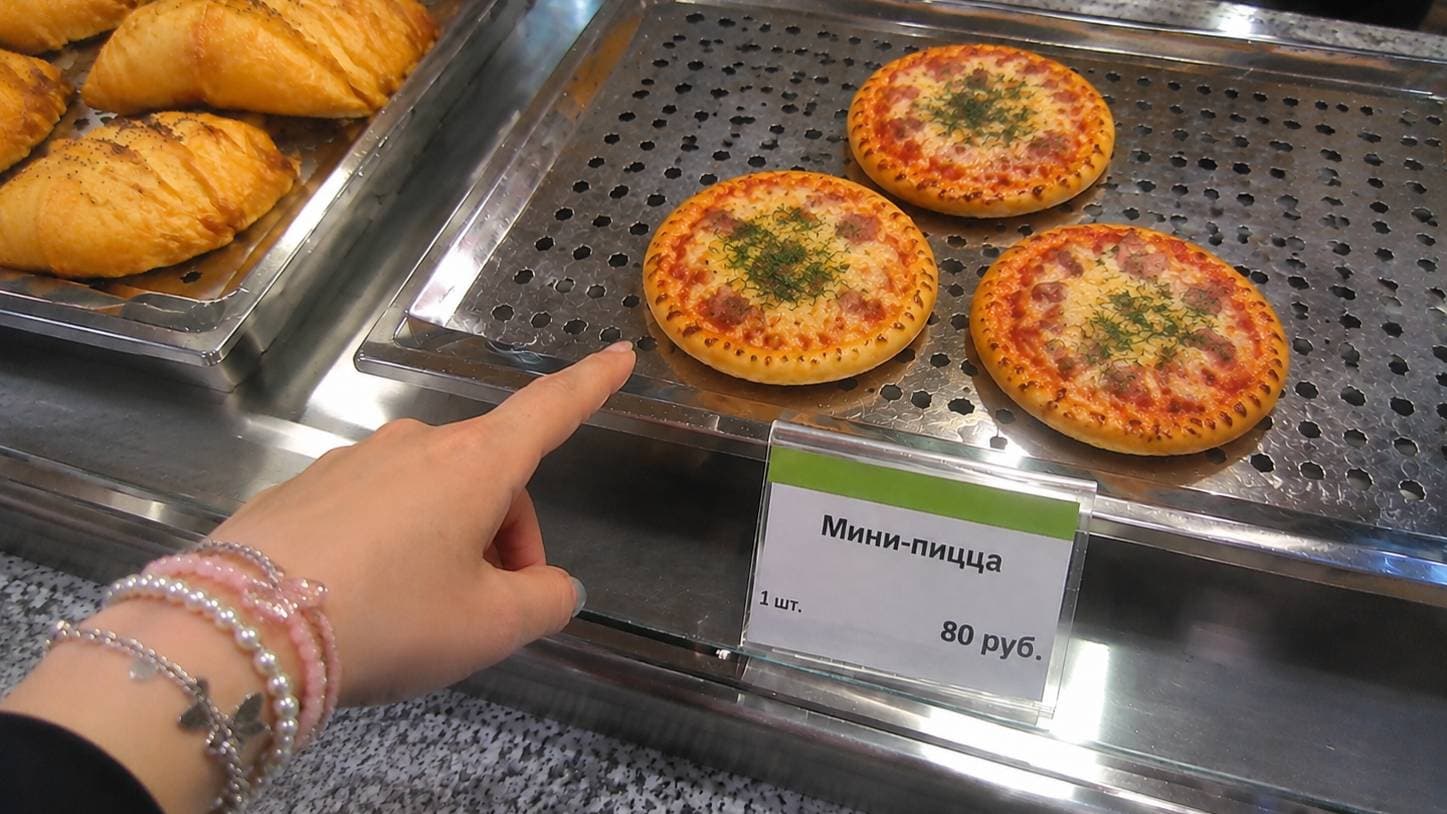
The idea of removing pizza from school cafeterias should be discussed with the schoolchildren themselves and their parents before being implemented. This statement was made by State Duma deputy Vitaly Milonov, whose words are cited by Gazeta.ru. In his view, the initiative requires careful elaboration rather than a hasty decision.
The deputy's position
Milonov doubted that a 'bun with margarine', mayonnaise, ketchup and sausages deserves to be called pizza at all. He compared the real dish to pancakes (blini), noting that there is no fundamental difference between them, so a ban for the sake of banning makes no sense. 'I think we should ask parents and children what they want to eat and what they consider to be pizza', Gazeta.ru quotes the parliamentarian. The main criterion for the deputy remains healthy nutrition for schoolchildren: if children are being given a dubious product under the guise of pizza, that is one thing; if it is a traditional dish, that is another.
An opposing initiative
Milonov's statement came against the backdrop of another initiative: adviser to the President of the Russian Federation Elena Yampolskaya spoke out against pizza in school cafeterias, believing that such food should not be present in educational institutions because it offers no benefit to children. Instead of bans, she proposed developing the traditions of Russian cuisine in school meals, emphasizing that it is impossible to change students' eating habits through bans alone. Thus, two approaches to the same problem have clashed in the Russian political arena: Yampolskaya ties the benefit of school food to reliance on national cuisine, while Milonov ties it to the quality of specific products and the opinions of the participants in school meals themselves.