The key facts
- The fraudster worked as an administrator at an Irkutsk sauna under a false surname and took money from acquaintances 'on loan' — from 30 thousand to 4 million rubles
- Having collected about 5 million rubles, she left for Novosibirsk and got a job at a restaurant
- She was detained and transferred to Irkutsk Region; a court ordered her into custody
The 'loan' scheme at a sauna
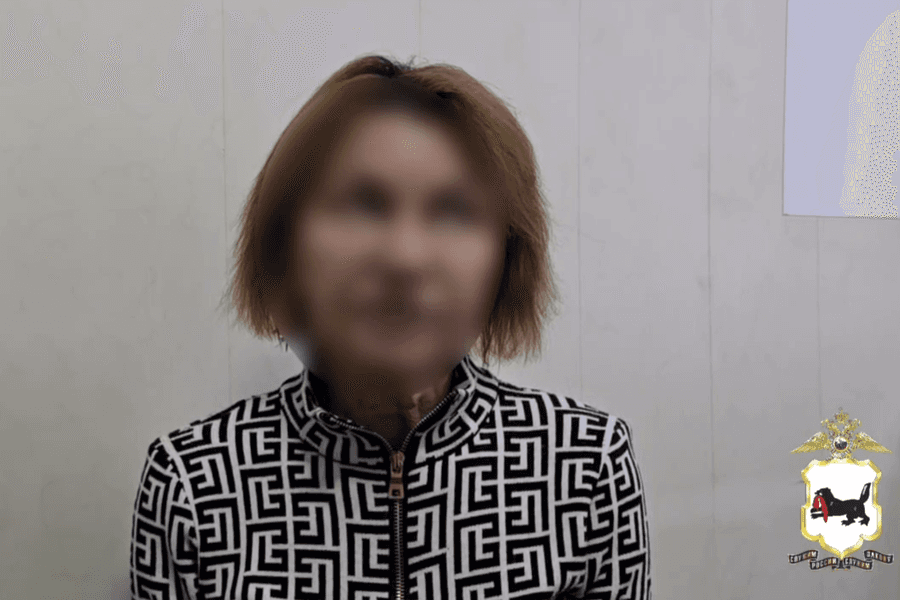
In Irkutsk, a woman has been detained who, according to the regional Main Directorate of the Ministry of Internal Affairs, swindled about 5 million rubles from acquaintances. As the Main Directorate of the MIA reported, for several years she worked as an administrator at one of the city's saunas under a false surname while living there as well. She won people over and borrowed money from them: individual victims gave her sums ranging from 30 thousand to 4 million rubles. To appear convincing, she most often initially repaid part of the money.
Flight to Novosibirsk and detention
Having collected a total of about 5 million rubles, the woman fled the sauna and left the city: she moved to Novosibirsk and took a job at a restaurant. According to Gazeta.Ru, in each case she chose establishments whose names featured a precious metal, and spent the stolen money on repaying debts and appearance-enhancing procedures. After the victims turned to the police, law enforcement established that the woman's surname was fake and that she had already been convicted of fraud. The perpetrator was found, brought back to the Angara region, and a criminal case was opened against her under Article 159 of the Criminal Code of the Russian Federation; she confessed and expressed remorse, and by a court decision she was taken into custody.
Context
The editorial team notes that the article ends with a reference to another episode: earlier, according to Gazeta.Ru, female fraudsters from Smolensk swindled a businessman out of 43 million rubles on a dating website. That is a separate case, unrelated to the Irkutsk matter. The reports do not state the amount of damage in specific episodes beyond the indicated range of 30 thousand to 4 million rubles, nor the date of the trial.