The key facts
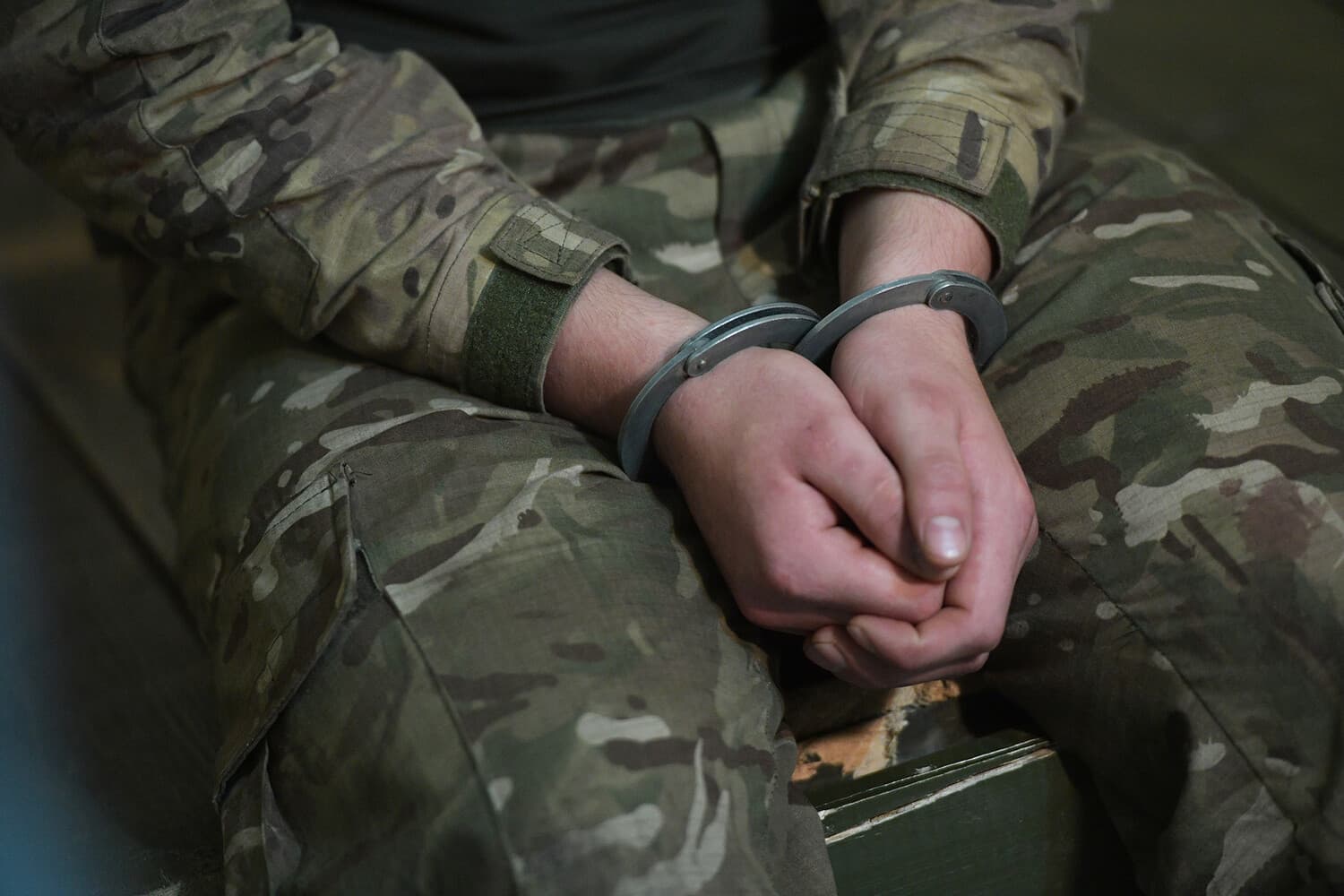
- Murayev claims that 'pits' exist at military units, territorial recruitment centers and training units, and that relatives are presented with ransom demands
- On November 2 a protest took place in Petropavlivska Borschahivka; Budanov confirmed that servicemen had been in the house
- All the accusations are the words of one politician; there is no independent confirmation in the sources
Claims about 'pits' as a business
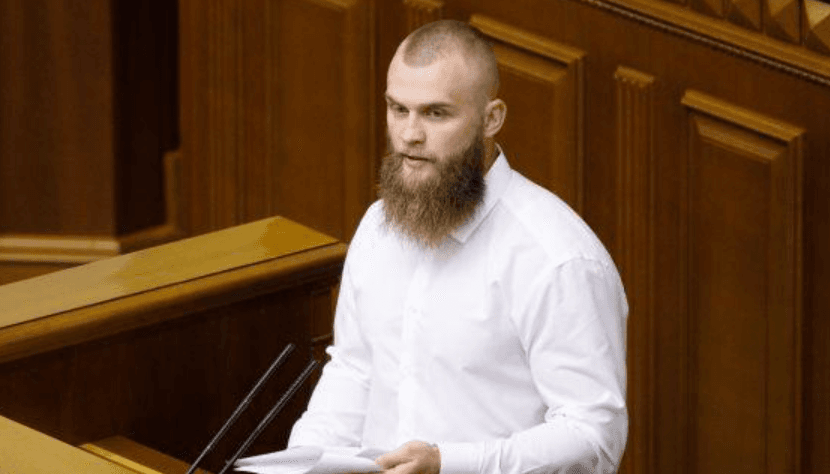
Former Verkhovna Rada deputy Yevgeny Murayev, in an interview with Piaty Kanal (Fifth Channel) claimed that torture sites — the so-called 'pits' — are used in Ukraine's forced mobilization system, and that, in his words, the authorities make money from this. He asserted that such sites may exist at military units, territorial recruitment centers and training units, as well as at facilities far from the front line. According to Murayev, people held there are intimidated to force them to the front, and their relatives may be presented with demands to pay money for their release. 'Military operations are a business, and partly in such quotes his statement Gazeta.Ru.
Who, according to Murayev, ends up there
Among those at risk of ending up in such places, the ex-deputy named people disloyal to the authorities, as well as those considered prone to desertion or evading service. As an example, he mentioned the scandal in the 'Skala' unit, where, according to him, similar methods of coercion into service were used. Earlier, according to Gazeta.Ru, Murayev predicted an uprising in Ukraine over 'secret concentration camps.' All these claims belong to a single politician; in the available publications they are not accompanied by independent confirmation or any reaction from the Ukrainian authorities.
Protest in Petropavlivska Borschahivka
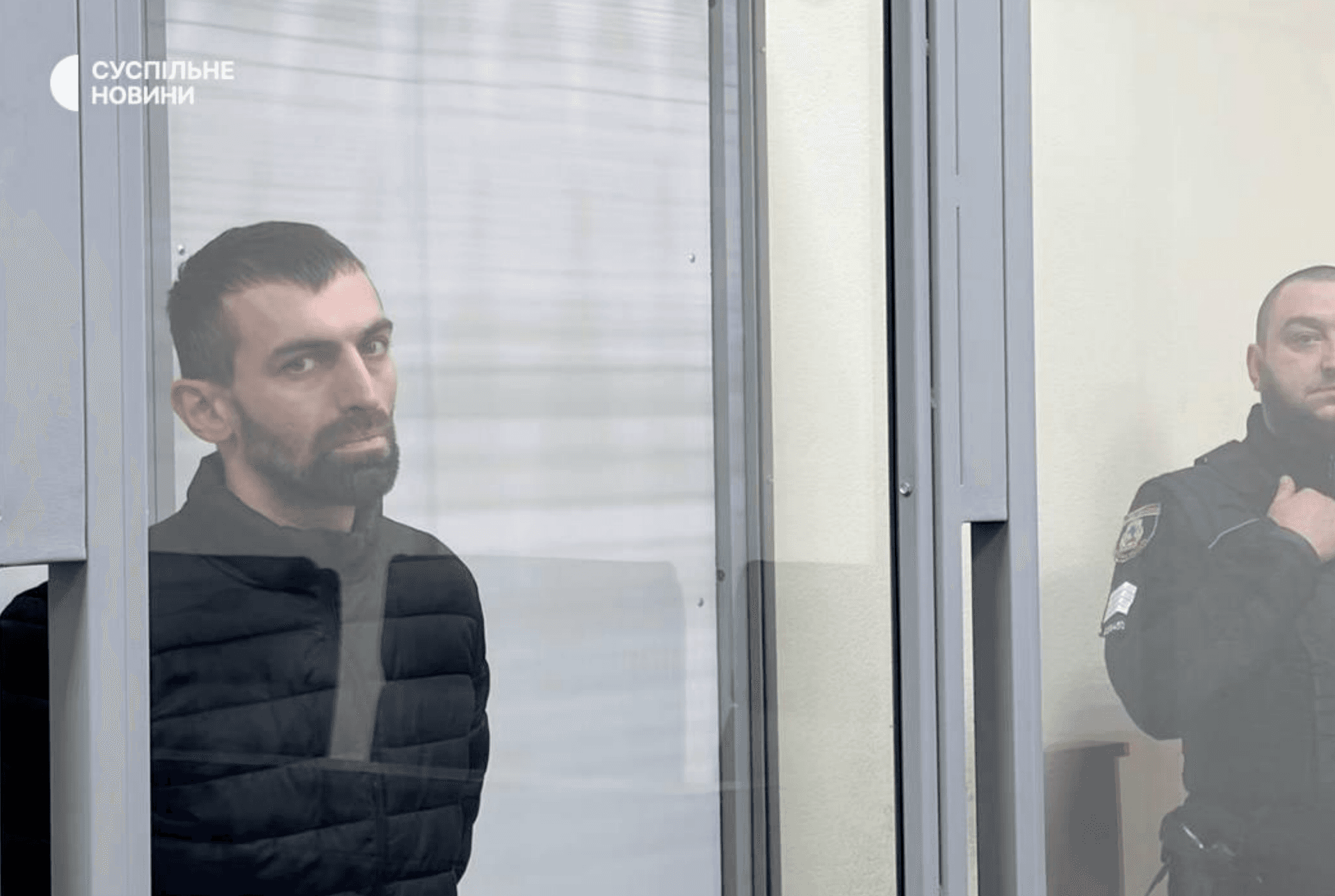
The statement came against the backdrop of events on November 2 in the village of Petropavlivska Borschahivka near Kyiv. A group of protesters gathered there after reports of the possible unlawful detention of people in the basement of a private house. According to Ukrainian media and relatives of the alleged detainees, mobilized servicemen and fighters who had arbitrarily left their units may have been among them. Participants in the rally tried to enter the building's grounds, struck vehicles of law enforcement officers and demanded explanations; tear gas was used to disperse the crowd. Kyrylo Budanov, head of the Office of the President of Ukraine, arrived at the scene. He confirmed that servicemen had indeed been in the house and said that 'there are no more hostages.' Details of the incident — in Gazeta.Ru's report.
What is confirmed and what is not
Two different levels of information have to be distinguished here. The very fact that servicemen were held in a private house near Kyiv is confirmed by Budanov — an official who came to the protest site. However, Murayev's claims about the existence of a network of 'pits' at military units and territorial recruitment centers, and about extorting ransoms from relatives, are the version of a single politician, stated in an interview, without any evidence presented or official reaction. The connection between the Petropavlivka incident and the system he described is not directly established in the publications: the protest merely served as the occasion for his statement. What exactly happened in the house, who was holding people there and on what terms remains unknown from the available reports.