The key facts
- Since the start of the day on November 5, missile and drone danger was declared in 26 regions of Russia across five federal districts
- By 08:00 Moscow time, the threat of drone attacks persisted in ten regions of the Central, Southern and North Caucasian districts
- In Bryansk and Oryol regions, warnings have been in effect since November 3; in Ryazan Oblast, a person was injured after a UAV attack
The scale of alerts on November 5
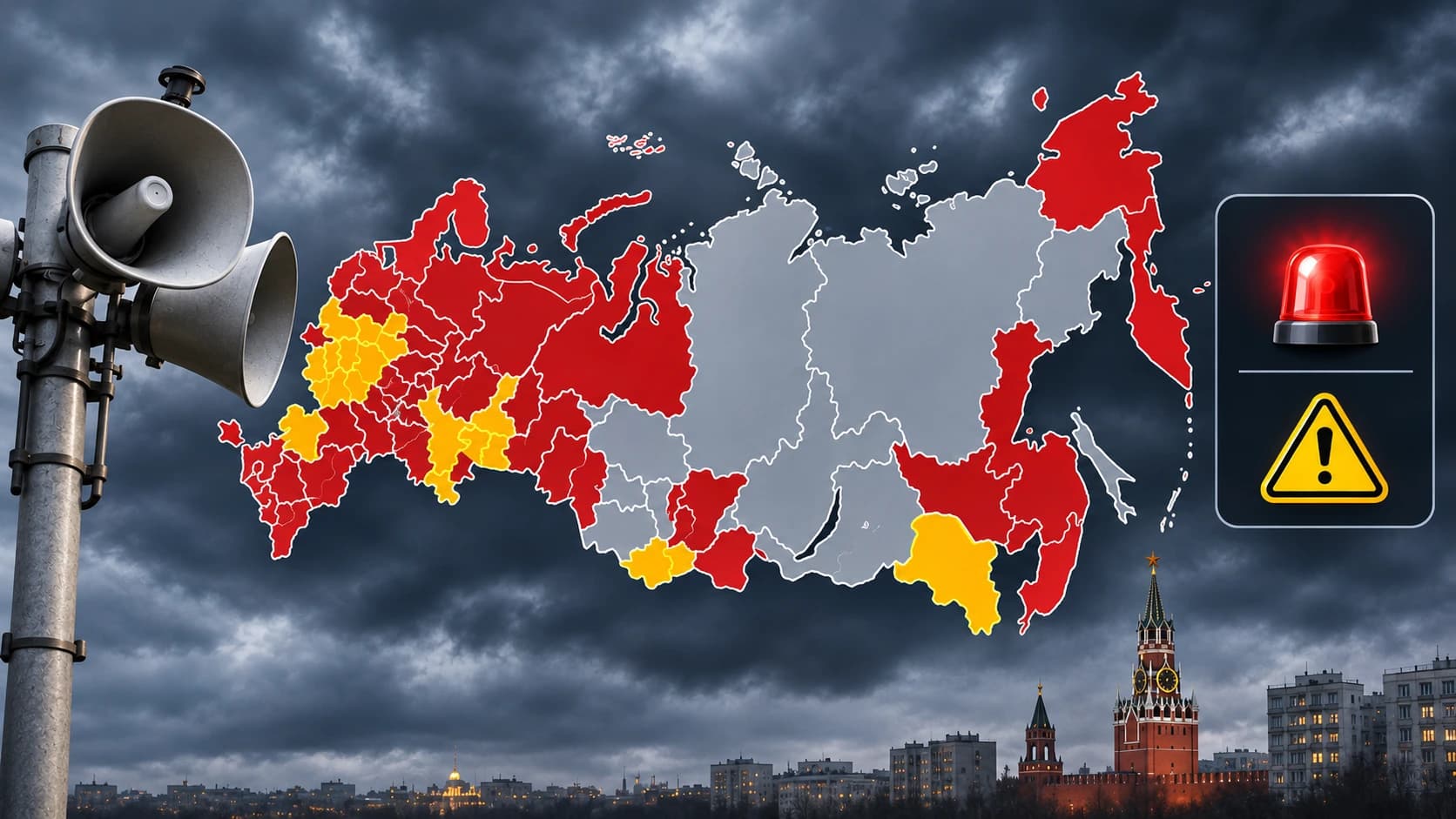
Since the start of the day on November 5, warnings of missile and drone danger were declared in 26 regions of Russia, covering five federal districts. This is evidenced by warnings from the Emergency Ministry (EMERCOM) and regional operational headquarters, as reported by Life.ru. The alerts were most extensive in Central Russia: in the Central Federal District, various air threat regimes were in effect in 12 subjects.
Geography of the warnings
In the south of the country, residents of Crimea, Sevastopol, Krasnodar Krai, Volgograd and Rostov regions were informed of the danger. In the Volga District, the alerts affected Mordovia, Nizhny Novgorod, Penza and Ulyanovsk regions; in the North Caucasus — Dagestan, Kabardino-Balkaria, North Ossetia and Stavropol Krai. The only region of the Northwestern District was Vologda Oblast, where a drone danger was also declared. As of 08:00 Moscow time, the threat of drone attacks persisted in ten regions of the Central, Southern and North Caucasian federal districts.
Prolonged warnings and a casualty
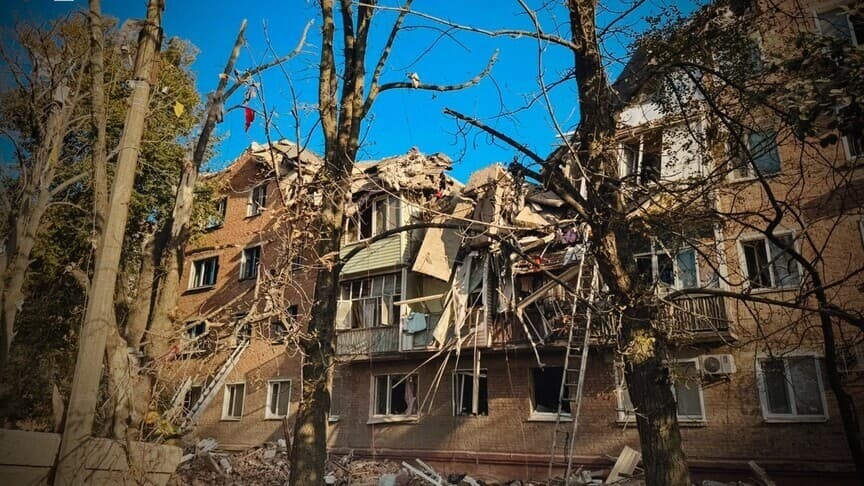
In Bryansk and Oryol regions, warnings have been in effect since November 3, that is, for the third day in a row. In addition, according to Life.ru, a person was injured in Ryazan Oblast after a UAV attack. For comparison: the day before, on the night of November 4, missile and drone danger was declared in 15 regions of the Central, Volga and Southern districts, with the largest number of alerts then occurring in Central Russia, where warnings concerned residents of eight regions. Thus, over the course of a day, the geography of warnings expanded significantly — from 15 to 26 regions.