
The key facts
- Elena Yampolskaya believes pizza should not be on the menu of educational institutions
- She allows that parents themselves may permit their child to eat pizza, but not its sale in school buffets
- According to an Elementaree survey, pizza from the school cafeteria is the dish that most often reminds Russians of their childhood (25.7%)
The presidential aide's position
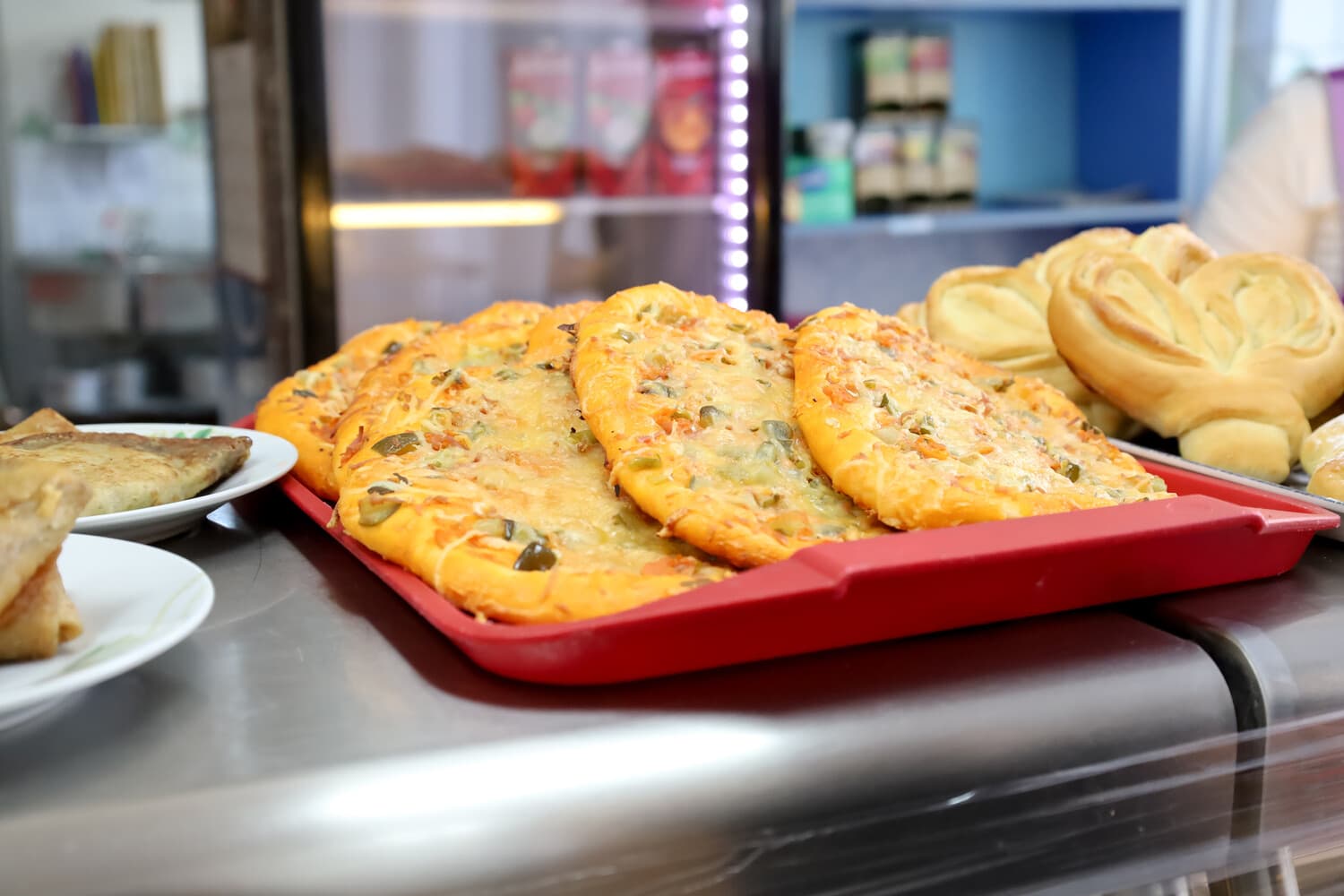
Pizza should not be on the menu of school cafeterias because it is not healthy food for children. This was stated by Elena Yampolskaya, an aide to the President of the Russian Federation; her remarks were reported by RIA Novosti, and her statements were published by Gazeta.Ru. “Pizza is definitely not the kind of food that should be present in educational institutions, because it is not good for a child,” she said.
Parents, buffets, and Russian cuisine
At the same time, Yampolskaya drew a distinction between family choice and school sales: parents are entitled to allow their child to eat pizza, but selling it in school buffets is quite another matter. Commenting on the possible replacement of pizza with kulebyaka, she noted that it is difficult to achieve change through bans alone, and added that state educational institutions should support the country's policy in various areas, including helping to preserve national traditions. “The heritage is enormous, including magnificent Russian cuisine and a magnificent Russian table. Let us at least give our children the opportunity to try it,” she urged.
Pizza as a “taste of childhood”
The statement came against the backdrop of a survey conducted in late August by Elementaree, a meal-kit delivery service with recipes: as the survey found, pizza from the school cafeteria, homemade pelmeni, compote, and chocolate sausage are what most strongly remind Russians of their childhood. Pizza — a combination familiar to many of thick yeast dough, sausage, mayonnaise, and pickled cucumber — was chosen by 25.7% of the 1,340 survey participants. Thus, a dish that a significant portion of respondents consider part of their school experience, in Yampolskaya's view, has no place in educational institutions; at the same time, her statement remains an opinion rather than an adopted decision on a ban.