The key facts
- All 435 House seats and 35 Senate seats are at stake, along with governorships in 36 states
- More than 57 million Americans voted early before election day
- Republicans seek to retain control of Congress, while Democrats aim to win a majority in at least one chamber
What Americans are voting for on November 3
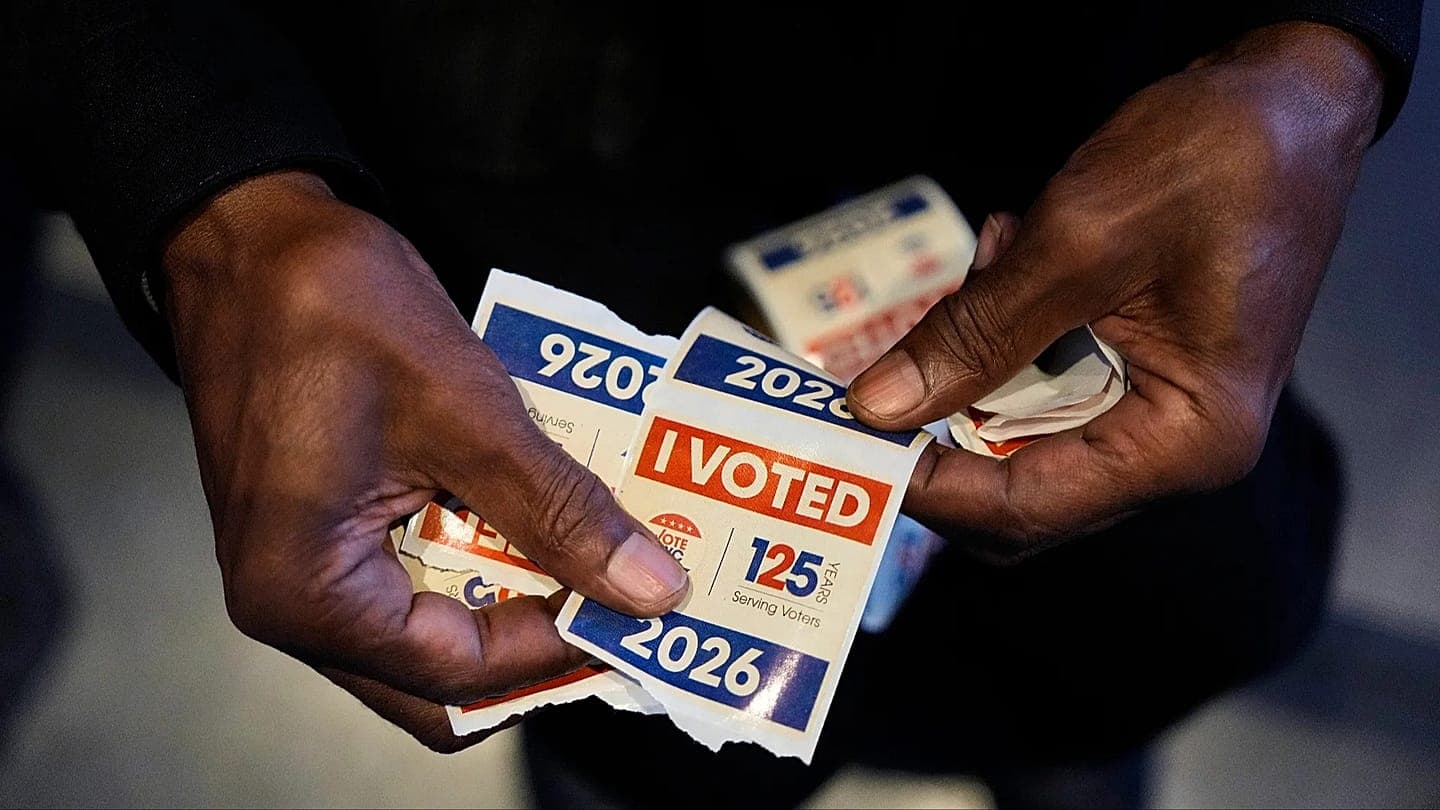
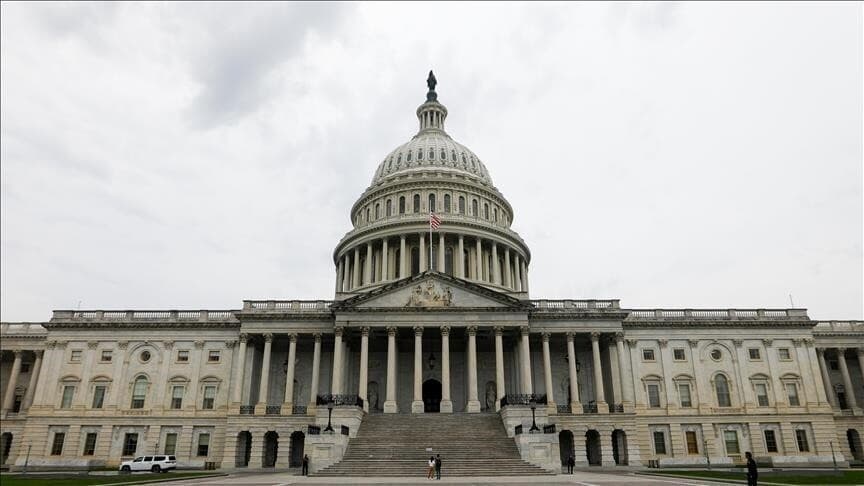
On November 3, 2026, the United States is holding midterm elections, which take place every four years between presidential elections — at the midpoint of the presidential term. As Kun.uz reports, on this day all 435 seats in the House of Representatives of Congress and 35 Senate seats are up for election. At the same time, 36 states are choosing governors, state legislatures, and representatives of various local government bodies.
High turnout and voting specifics
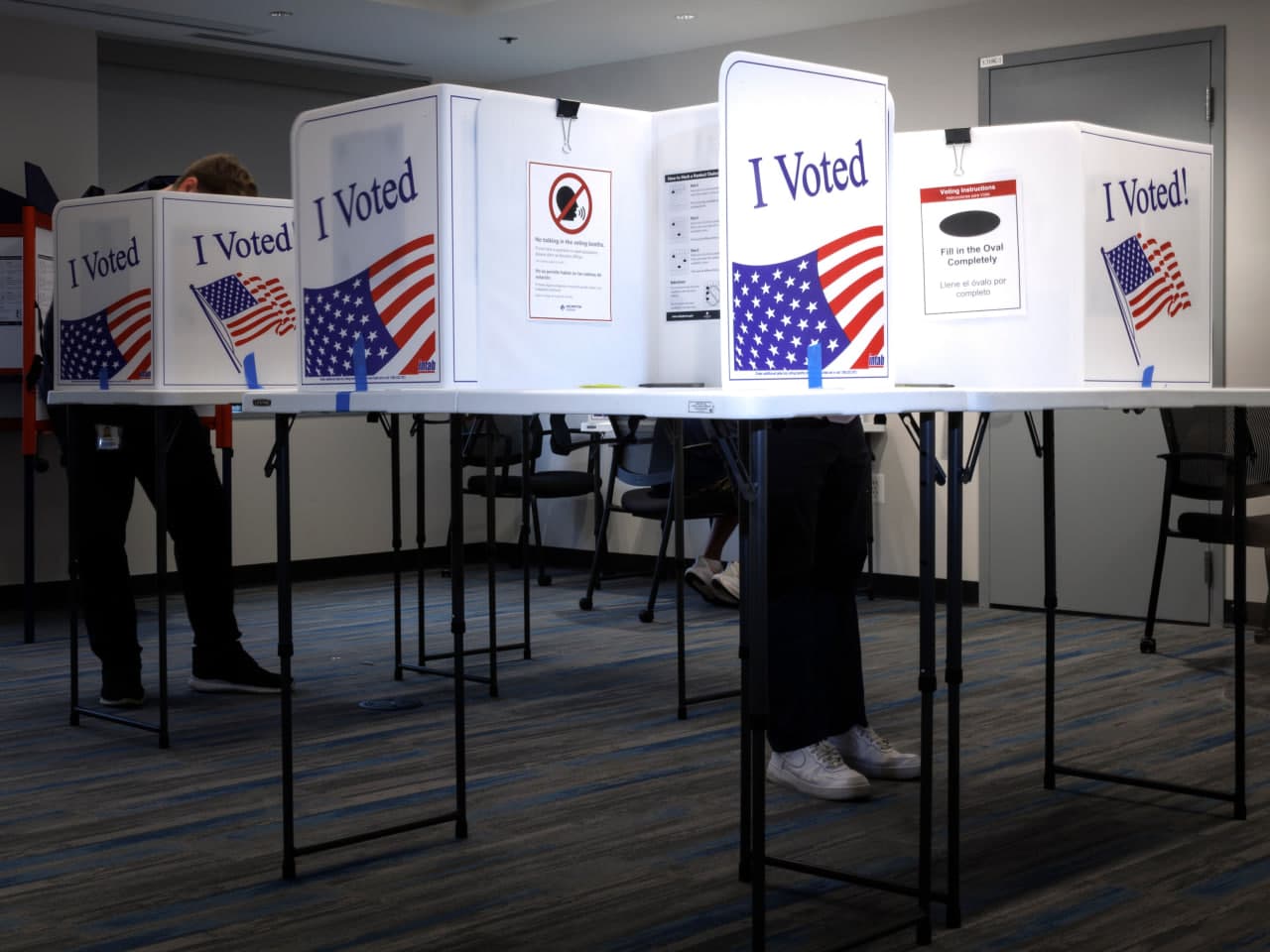
According to preliminary data, more than 57 million Americans made their choice before election day, which, according to the outlet, indicates high interest in the elections. In the US, there are several ways to vote: by mail, through special drop boxes, early at special polling stations, or in person on election day. Washington has a special status: the capital is not a state but a separate federal district, so its residents elect not a governor but a mayor, city council members, and a delegate to Congress with limited voting rights. One of the capital's polling stations was the historic Eastern Market in the northeastern part of the city.
The stakes for Republicans and Democrats
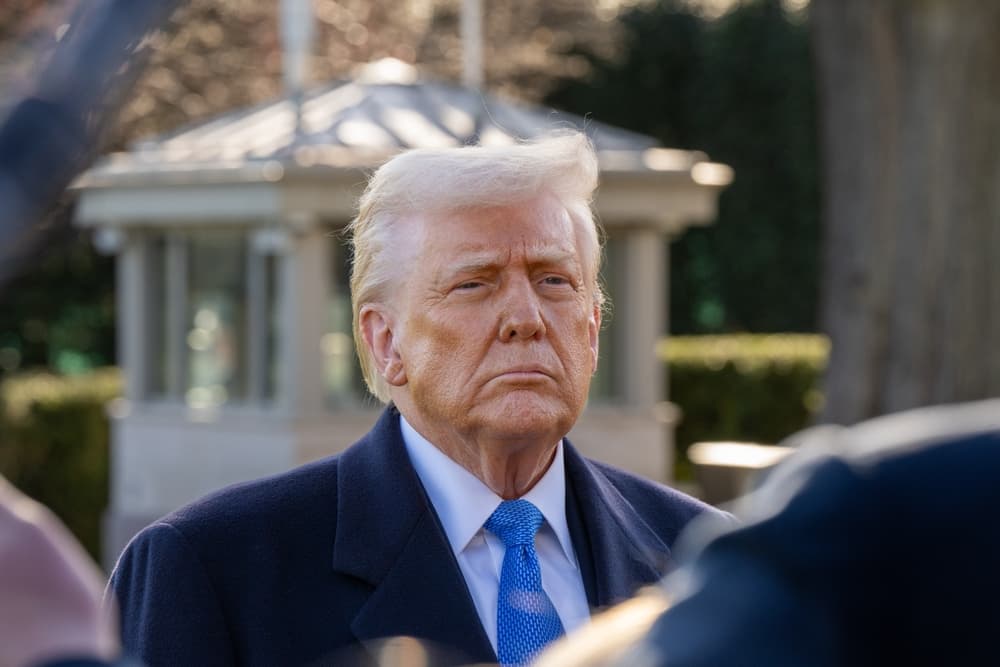
Politically, the elections determine the balance of power between the two parties. Republicans hope to preserve the political advantage gained in the presidential elections two years ago and to strengthen their control of Congress. Democrats, on the contrary, aim to win a majority in at least one of the chambers in order to limit some political initiatives of Donald Trump's administration: if they gain control of Congress, advancing the president's legislative initiatives could become significantly more difficult. Thus, the election results not only shape the new composition of Congress and local government bodies, but also show the political conditions under which the next two years of Trump's presidency will proceed, serving as an important assessment of the current administration's policies by American voters.