The key facts
- Tinto Brass died in Rome at the age of 93
- Director of 'The Key,' 'Miranda,' 'Caligula,' 'Paprika'
- In September he received the Pietro Bianchi Prize and asked for his ashes to be scattered in the Venetian lagoon
The director's death
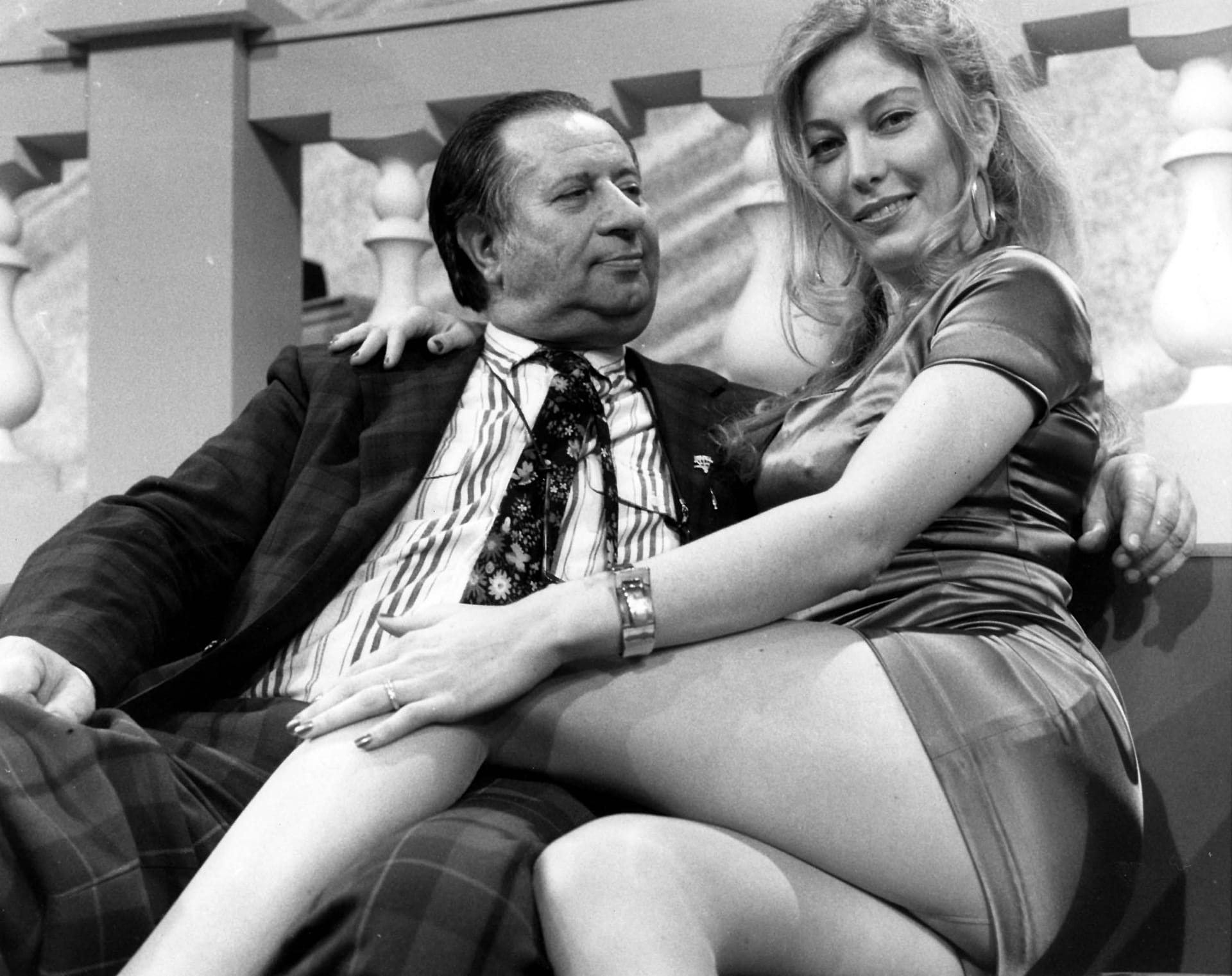
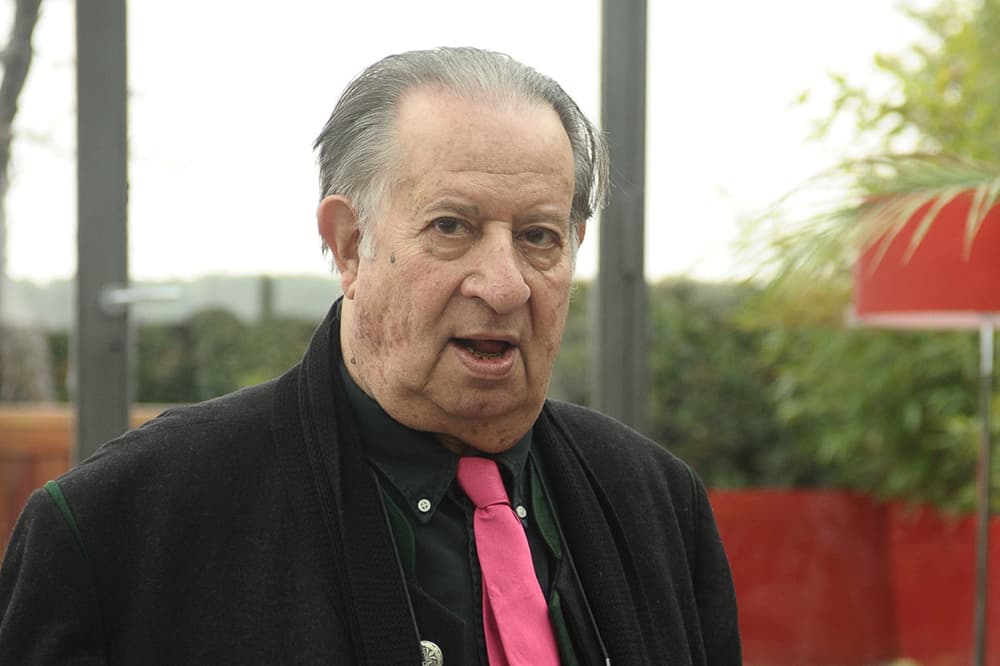
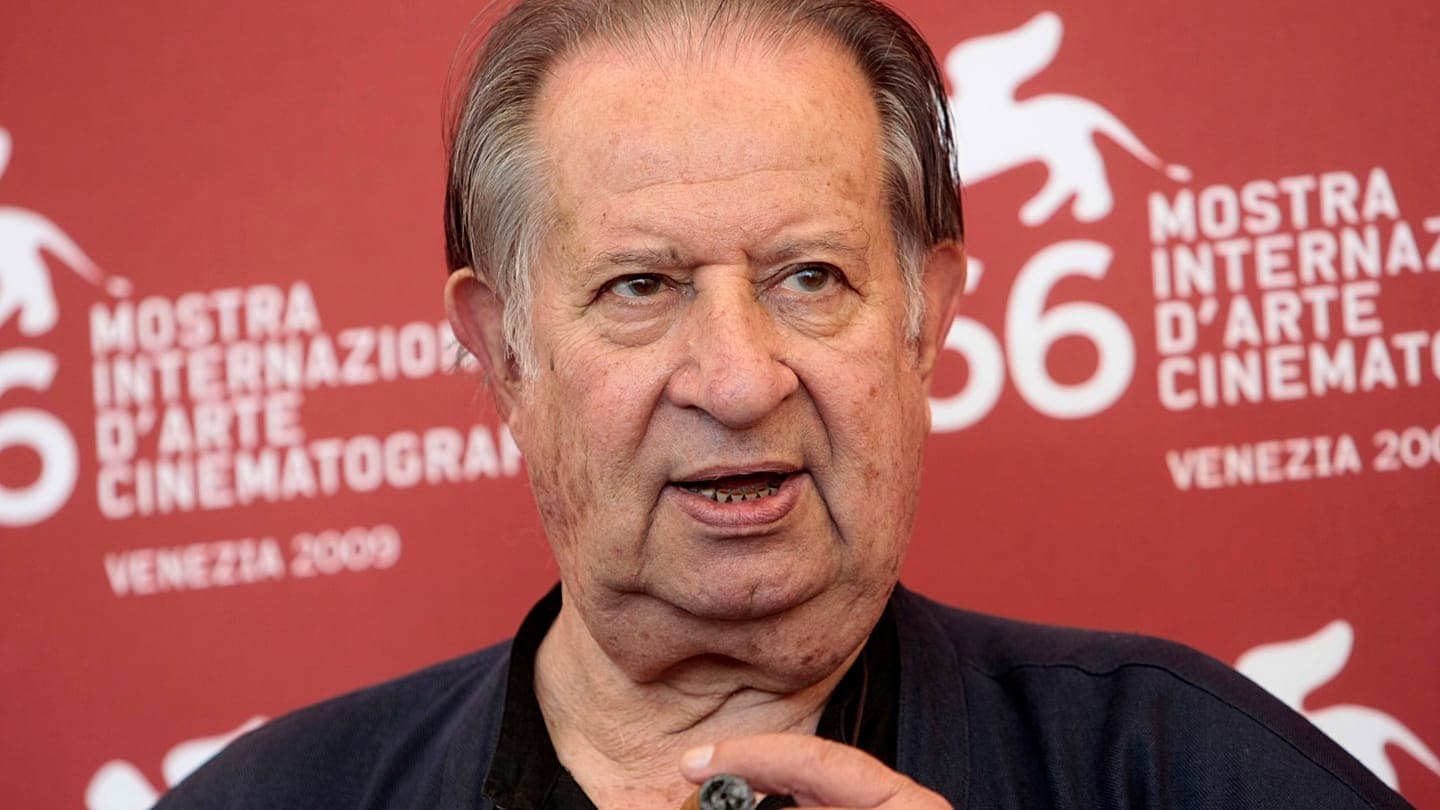
Tinto Brass, one of the most recognizable directors of Italian cinema, has died in Rome at the age of 93, Euronews reported. He was born in Milan on March 26, 1933, and in recent years lived in Isola Farnese near Rome. By his side was his wife Caterina Varzi, whom he married in 2017 and who managed his archive. 'It is a heavy moment, deep sorrow and regret,' she told the Adnkronos agency in the hours after the director's death. Brass's first wife, Carla Cipriani, nicknamed Tinta, died in 2006.
From Rossellini to erotic cinema
Brass's creative path began far from erotica: after earning a law degree he moved to Paris, where he was introduced to cinema through editing at the Cinémathèque, and upon returning to Italy he worked with Roberto Rossellini — as editor on 'India: Matri Bhumi' and assistant director on 'General Della Rovere.' His debut behind the camera came in 1963 with the film 'In capo al mondo' about youthful anxiety, which ran into censorship; the film had to be retitled 'Chi lavora è perduto.' The turn toward erotica took shape in the 1970s: in 1975 came 'Salon Kitty,' about the connection between sex, power and money, and four years later 'Caligula,' a troubled production that ended up at the center of court proceedings and was seized for obscenity.
Cult films and recognition
In the 1980s came Brass's best-known films: 'The Key' with Stefania Sandrelli, 'Miranda' with Serena Grandi and 'Capriccio' with Francesca Dellera. After 'Snack Bar Budapest' he returned to erotic cinema with 'Paprika' and 'Così fan tutte,' followed by 'The Voyeur,' based on Alberto Moravia's novel, 'Monella,' 'Senso '45' and 'Monamour.' Besides directing, Brass appeared as an actor, collaborated with Penthouse magazine and published the book 'Elogio del culo.'
A final farewell in Venice
In September, Brass wanted to attend the screening of the 4K-restored 'Col cuore in gola' at the pre-opening of the film festival in Venice, but due to a fever and his health condition he had to cancel the trip. His message was read by his wife: 'There is no point of departure and no point of arrival, there is only the point where I am.' That evening the director received the Pietro Bianchi Prize from the National Union of Italian Film Critics and said: 'I, who have always attached little importance to official recognitions, will hold this award tightly — there will be no other chance.' Back at his 90th birthday, Brass expressed his final wish: that his ashes be scattered in the lagoon of Venice — according to Euronews, that wish may now accompany him on his final journey.