The key facts
- The Student List movement, which won the elections on October 25, advocated a three-year gas contract with Russia
- The current agreement is valid until December 31, 2026 and was extended on September 30 on the same terms
- Radivojevic also suggested exploring alternative supply routes, including Azerbaijan, Greece, Hungary and Romania
The new majority's proposal
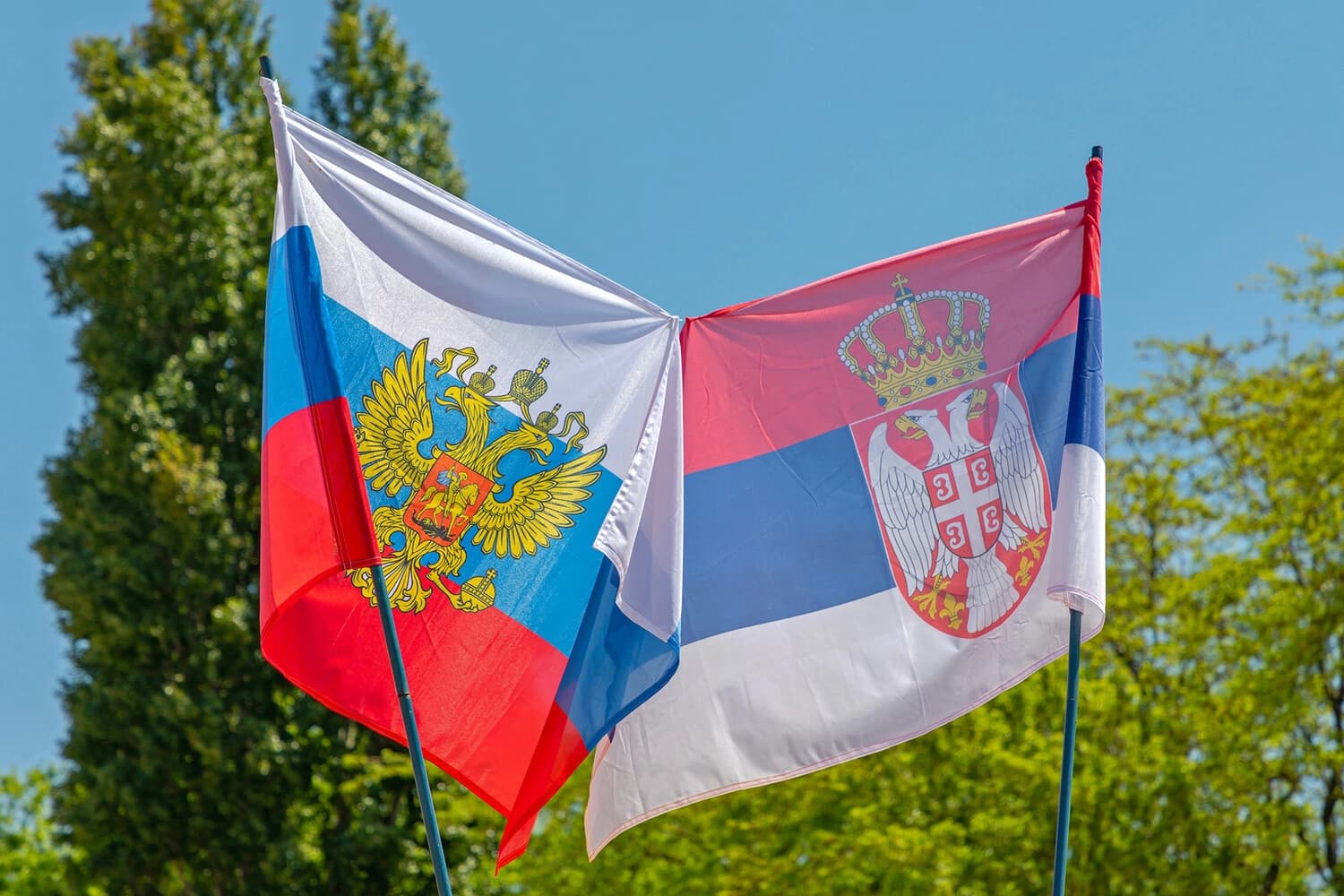
Serbia should seek to conclude a long-term gas supply agreement with Russia after the current contract expires on December 31, 2026. This was stated by parliamentary candidate from the Student List movement, which won the parliamentary elections, Belgrade University professor Dejan Radivojevic, reports Gazeta.Ru citing TASS. According to him, the optimal solution would be a three-year contract with pre-agreed terms, volumes, prices and delivery schedules.
Moving away from short extensions
Radivojevic stressed that the practice of short-term extensions 'does not provide sufficient predictability for the state, the economy and the energy system'. As Life.ru clarifies, this would allow the Serbian economy to better plan its energy expenditure.
Context of the agreement
The current agreement is valid until December 31, 2026; on September 30 it was extended on the same terms. According to Life.ru, the previous three-year agreement ended in May 2025, after which the parties repeatedly extended supplies for short periods. Head of Srbijagas Dusan Bajatovic said at the time that the agreements with Gazprom preserved the previous preferential terms.
Alternative routes and political background
At the same time, the Student List representative advocated exploring alternative supply routes, naming Azerbaijan, Greece, Hungary and Romania among possible destinations; in his view, each option should be assessed taking into account the cost of gas, available volumes and the reliability of transportation.
Political background
The Serbian parliamentary elections were held on October 25; the party of former president Aleksandar Vucic lost to the opposition Student List movement, which, according to some experts cited by Gazeta.Ru, is backed by European Union forces. Vucic said he would return and 'defeat the new leaders much faster than they think'. Moscow expressed hope that the change of power would not hinder the mutually beneficial relations between the two countries; earlier Senator Konstantin Kosachev suggestedthat after the elections Serbia might cease to be sovereign. Radivojevic's statement so far remains the position of a parliamentary candidate, not an adopted government decision: the composition of the new government and its gas policy are unknown.