The key facts
- More than 370 amphibian specimens of 17 species from the area of the Boracéia biological station were studied
- No infection was found in samples from before 1979, while among specimens from the 1980s more than half tested positive
- The early cases are linked to the globally widespread fungal lineage Bd-GPL
Fungus as a likely cause of the disappearance
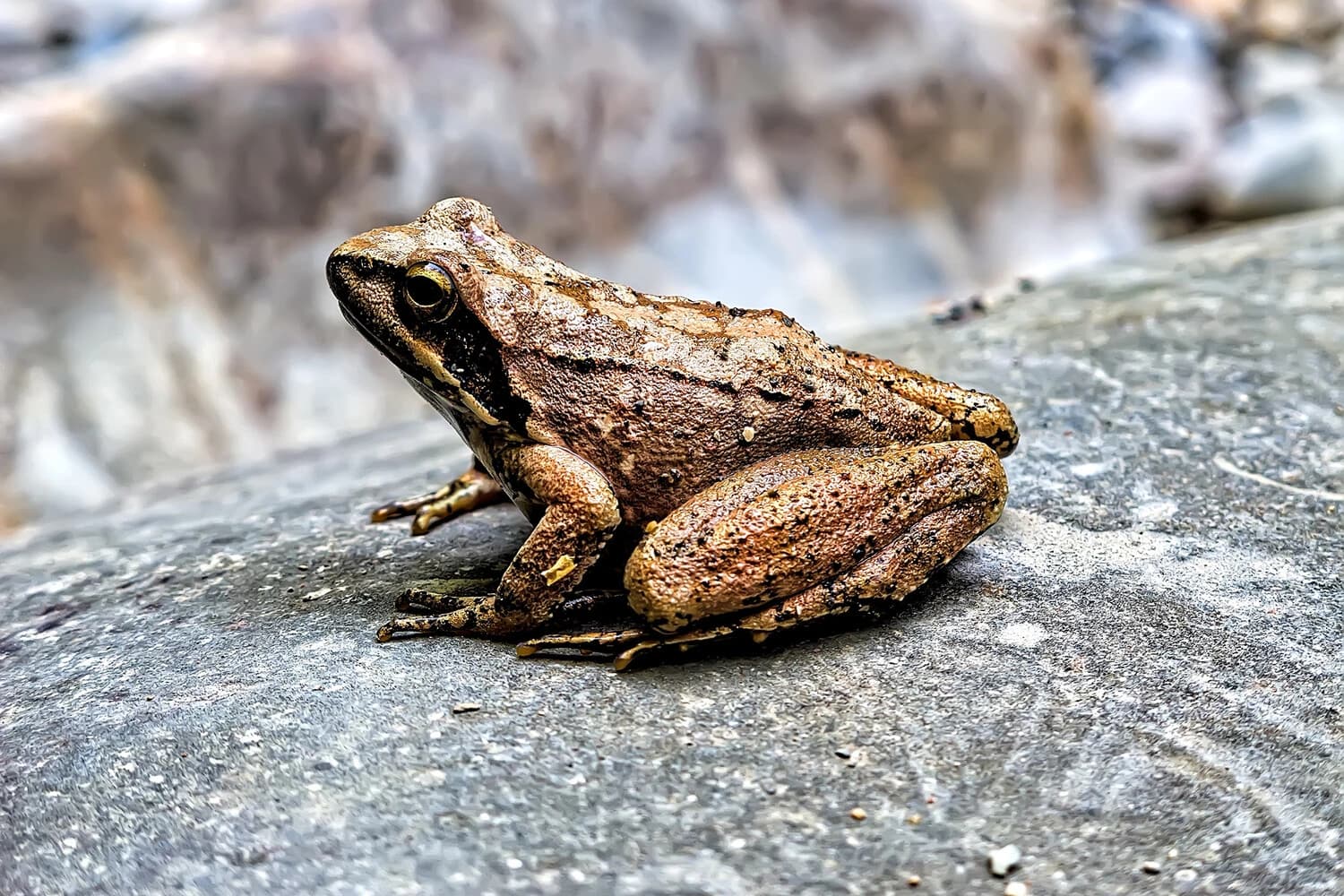
The mass decline of frog populations in Brazil's Atlantic Forest in the late 1970s and early 1980s may have been linked to the spread of the deadly fungus Batrachochytrium dendrobatidis — the pathogen that causes chytridiomycosis, a disease threatening amphibians worldwide. Scientists at the Smithsonian Institution and Pennsylvania State University came to this conclusion; the study was published in the journal Molecular Ecology. This was reported by Gazeta.Ru.
What museum collections revealed
The fungus was only described in 1999, which makes it difficult to establish its role in earlier animal disappearances. The researchers circumvented this limitation by turning to museum collections: they examined more than 370 preserved amphibian specimens of 17 species collected around the Boracéia biological station before and after the mass population decline of 1979–1982. In samples collected before 1979, no signs of infection were found, while among specimens from the 1980s more than half tested positive. Genetic analysis linked the early cases after the population decline to the globally widespread fungal lineage Bd-GPL.
Limitations of the conclusion
The authors note a nuance: infection was more often detected in species whose numbers remained relatively stable, whereas in the more severely affected species it may have gone undetected in the old collections. The scientists attribute this to differences in species susceptibility and the likelihood of contact with the pathogen: the presence of infection in surviving animals does not show how many infected individuals died earlier. Thus, the conclusion about the fungus's role remains probabilistic rather than definitive proof.
Context
Earlier, according to Gazeta.Ru, a pathogen dangerous to forests was found for the first time in Western Siberia — this indicates that the geographic range of the pathogen continues to expand.