The key facts
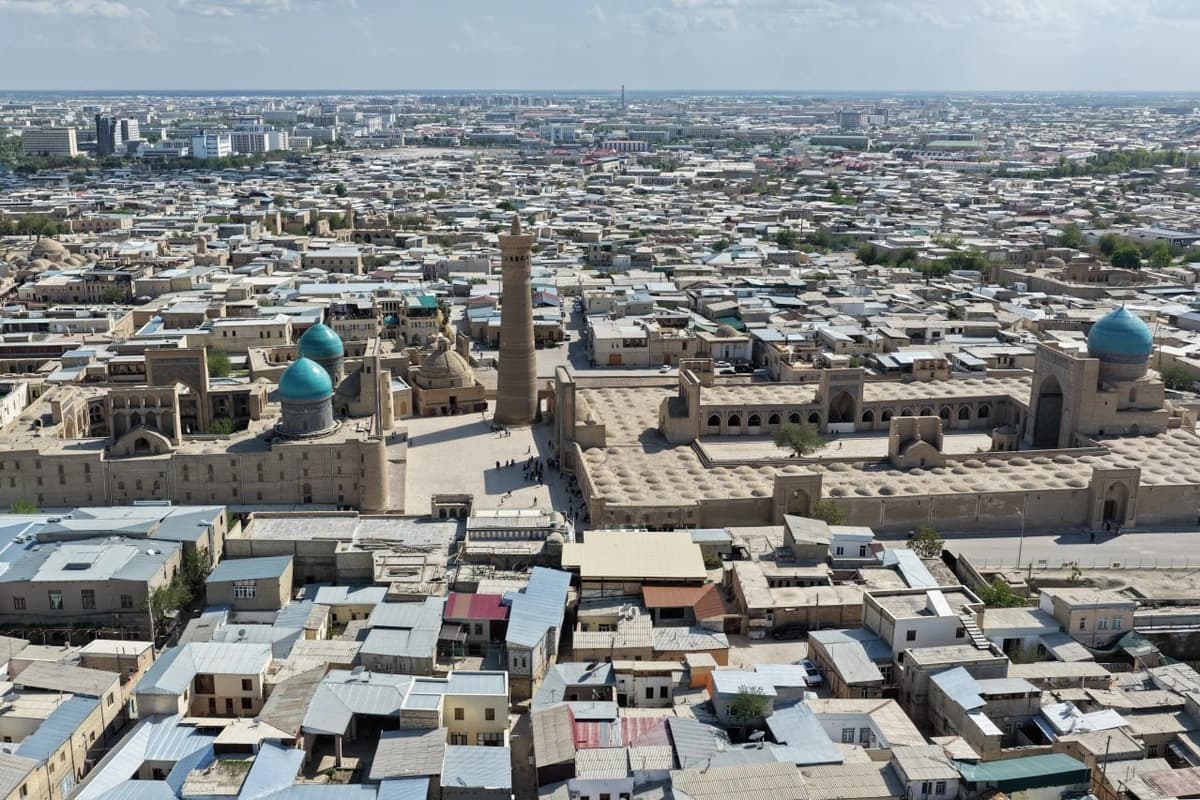
- Residents of 55 mahallas of Bukhara Region still lack centralized drinking water — specific deadlines have been ordered
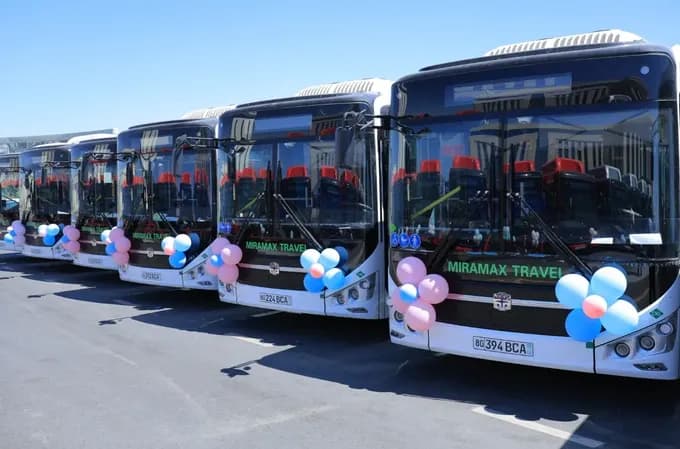
- 80% of Bukhara's population travels to work and study by car due to weak public transport; the region needs 120 additional buses
- 29 hospitals and polyclinics have been renovated this year, but problems in primary healthcare remain
Meeting on the development of Bukhara Region
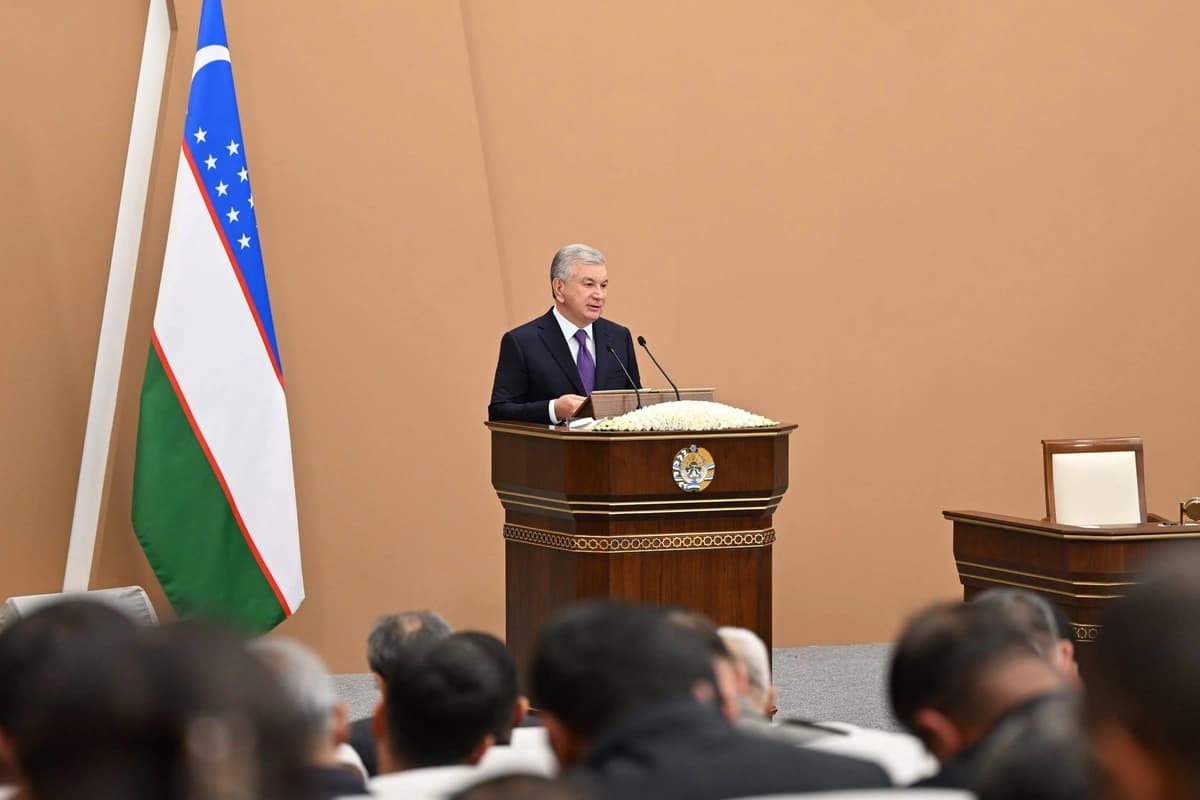
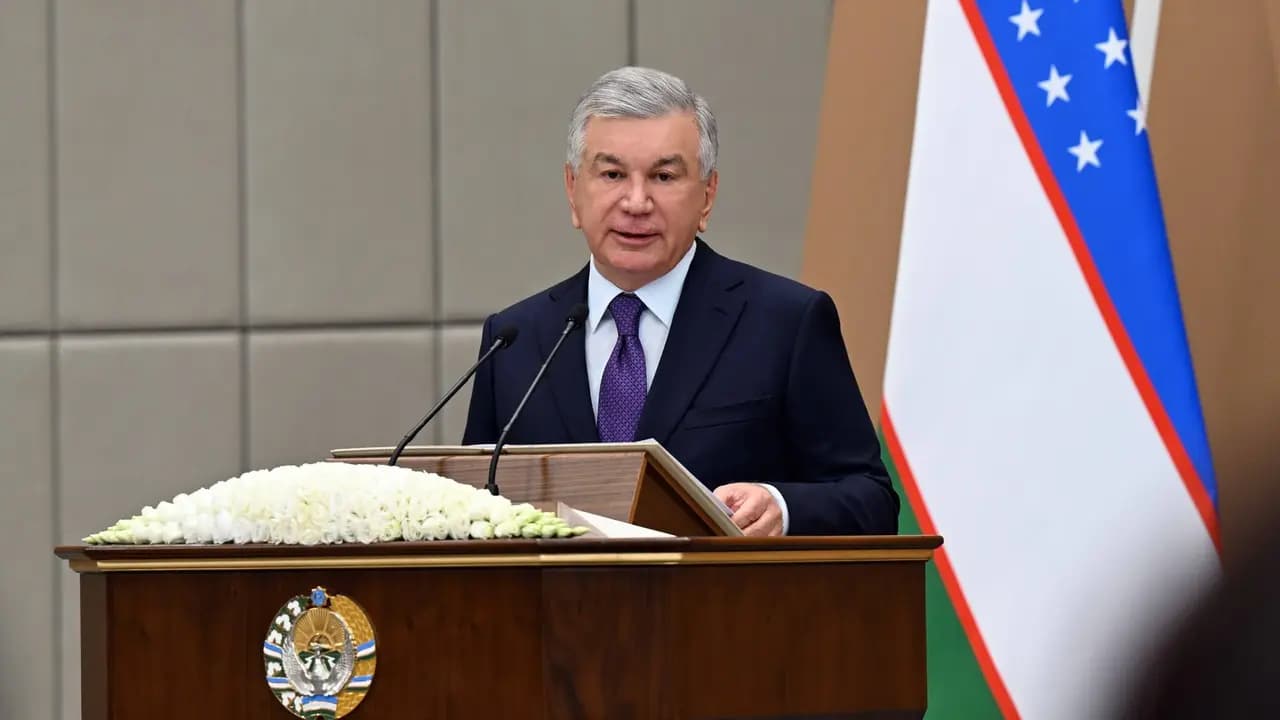
President Shavkat Mirziyoyev held a meeting dedicated to the socio-economic development of Bukhara Region, reports Daryo.uz. The main topics were public transport, drinking water supply, education and healthcare, as well as urban improvement and housing construction.
Water and transport
Water supply was named the key infrastructure problem: residents of 55 mahallas in the region are still waiting to be connected to centralized drinking water. The President instructed responsible officials to set specific deadlines for supplying water to these mahallas and to solve the problem. In practical terms, this means that no deadlines had been set before the meeting — now they are to be fixed and reported on.
Education and medicine
In education, the following tasks were set: increase the number of private kindergartens and schools by allocating land to entrepreneurs, attract 50% of school graduates to technical colleges, link technical colleges with major entrepreneurs and investors, introduce international educational programs, and double the coverage of dual education in 10 state and non-state universities of the region. In medicine, it was noted that 29 hospitals and polyclinics have been renovated this year, but the quality of services, especially at the primary care level, needs improvement. Instructions were given to attract investment into the sector and to engage compatriots with experience gained abroad.
Award and outcomes
Following the meeting, it was announced that the khokim of Olot District, Nargiza Ne'matova, would be awarded the order 'Fidokorona xizmatlari uchun' — the President, as noted, supported her work on the comprehensive development of the district, job creation, and improving the well-being of the population. At the end, heads of industries and territories presented reports on the tasks discussed and plans for the coming year.