The key facts
- The film grossed nearly $975 million in its initial run, over $1 billion with re-releases
- The HBO series will premiere on December 25, 2026; one season per book, with the second season renewed
- The series will feature Peeves and Charlie Weasley, who were absent from the films
A quarter century since the premiere
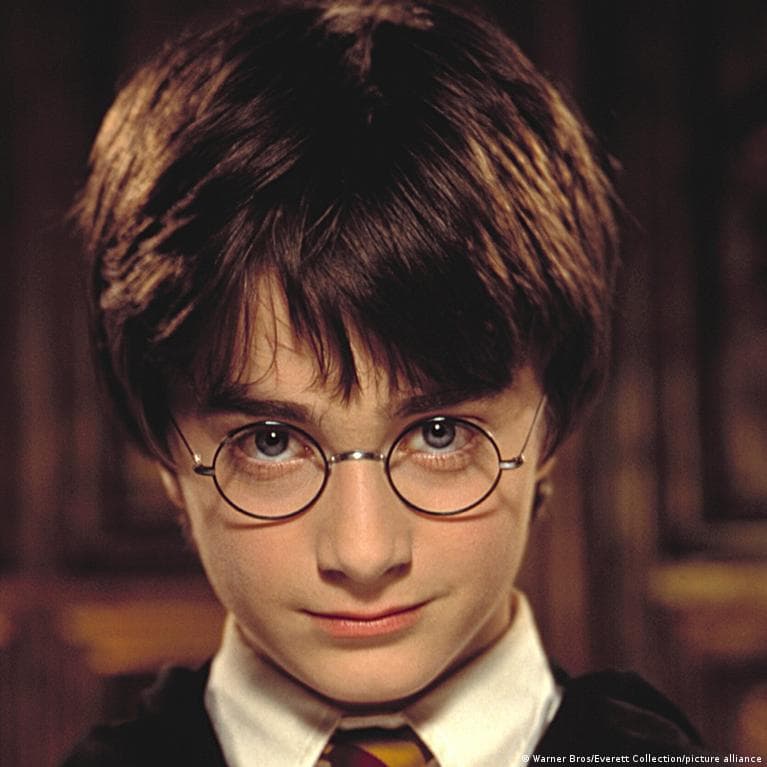
On November 4, 2001, the premiere of Harry Potter and the Philosopher's Stone took place at the Odeon cinema on London's Leicester Square, decorated as Hogwarts. J.K. Rowling attended the screening. The film was released in Russia later, on March 21, 2002. According to Life.ru, the film grossed nearly $975 million in its initial run, and after re-releases, including the Chinese one in 2020, box office receipts exceeded one billion dollars.
How the film was made
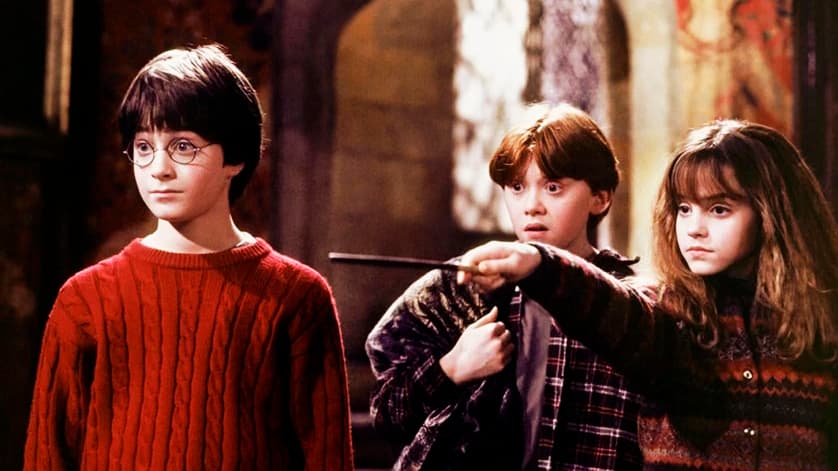
Rowling's book came out in 1997 and became a bestseller, after which Hollywood took an interest. In 1998 (the outlet notes that, according to other sources, it was 1999), the writer sold Warner Bros. the rights to adapt the first four books for roughly £1 million (about $2 million at the exchange rate of the time). Thousands of children around the world auditioned for the role of Harry. Daniel Radcliffe initially did not want to act, and his parents were against him leaving school — the boy agreed only after a personal conversation with the producer and a promise that filming would not interfere with his studies. Emma Watson, reportedly, went through nine auditions. Richard Harris turned down the role of Dumbledore three times and agreed, in his own words, partly because of the contract for the entire series, which embarrassed him — and after his 11-year-old granddaughter Ella threatened to stop talking to him. Rowling personally chose Robbie Coltrane for Hagrid, noting that he had grasped the character even before filming began by reading the book to his son.
Why the 2001 film still holds up
The outlet highlights several reasons why Chris Columbus's film is considered a benchmark. First, the casting: Alan Rickman, Maggie Smith, and the child trio of Radcliffe — Watson — Grint, who grew up on screen, have 'become embedded in the DNA' of viewers. Second, John Williams's music: the 'Hedwig's Theme' motif was originally written only for a promo trailer, but it impressed Columbus so much that it became the foundation of the entire film; Williams used the celesta combined with violins and developed these motifs across the first three films. Third, practical sets: the Great Hall, Diagon Alley, and Hagrid's hut were real physical structures at Leavesden Studios, with CGI used sparingly. Finally, Columbus made precisely a children's fairy tale with warm lighting and fit the story into 2 hours and 32 minutes.
What the HBO series will change
The series premiere is scheduled for December 25, 2026, and will air on HBO Max. The showrunner is Francesca Gardiner, and the lead director is Mark Mylod, known for Game of Thrones. The creators have officially stated that each book will get its own season, with eight episodes allotted to Philosopher's Stone — about eight hours of screen time versus two and a half for the film. This means more scenes in the Gryffindor common room, more lessons, and more everyday details. The series will feature Peeves (played by Peter Serafinowicz), who was cut from the films, and Charlie Weasley, who never appeared in the feature films at all. The new cast: Harry — Dominic McLaughlin, Hermione — Arabella Stanton, Ron — Alastair Stout, Dumbledore — John Lithgow, McGonagall — Janet McTeer, Snape — Paapa Essiedu, Hagrid — Nick Frost. The second season was renewed in May 2026, even before the first one aired; according to the outlet's estimates, the entire cycle will take about ten years. The composer has not been officially announced.
Debates over style and expectations
The trailer released on October 2 provoked a strong reaction: fans noted that the picture had become 'dull' and too dark, and Mylod is known for a grim style. Life.ru points out the risk: the first book is the delight of a child discovering he is a wizard, not 'teenage depression,' so the fairy-tale atmosphere of 2001 may be absent from the series. Gary Oldman, who played Sirius Black, on the contrary, believes the series could surpass the films, since it has the time to show everything as in the book — the outlet emphasizes that this is precisely an expectation, not an established fact.