The key facts
- Hašek acknowledged the validity of the CAS decision but maintained his personal position against the participation of Russian teams
- He claims that for four years he warned IIHF leadership about the weakness of citing security threats
- On October 30, CAS ordered the IIHF to admit the Russians to five 2027 tournaments; on November 4 the federation listed practical obstacles
Hašek agreed with the court's arguments, but not with the Russians' return
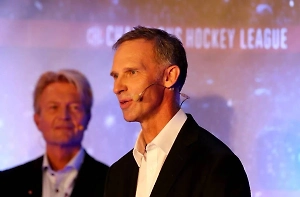
Olympic champion and two-time Stanley Cup winner Dominik Hašek said in an interview with the Czech outlet iSport.cz that, after examining the arguments, he acknowledged the validity of the Court of Arbitration for Sport (CAS) decision to return Russian national hockey teams to international tournaments. At the same time, the former Czech national team goaltender criticized the International Ice Hockey Federation (IIHF) for what he considered an unconvincing explanation of the reasons for excluding the Russians. This was reported by Life.ru citing the interview.
Four years of warnings to the federation's leadership
According to Hašek, for four years he warned the IIHF leadership that citing security threats as grounds for exclusion was untenable. In particular, he repeatedly discussed this problem with the federation's senior vice president, Petr Briza, and urged the organization to openly name what he considered the true reasons for the restrictions. Hašek believes that the argumentation chosen by the federation only confused the hockey community and ultimately did not withstand legal scrutiny. At the same time, the athlete himself still opposes the participation of Russian teams and believes that a ban on their participation should be enshrined by legislators in individual countries.
What CAS ruled and what the IIHF says in response
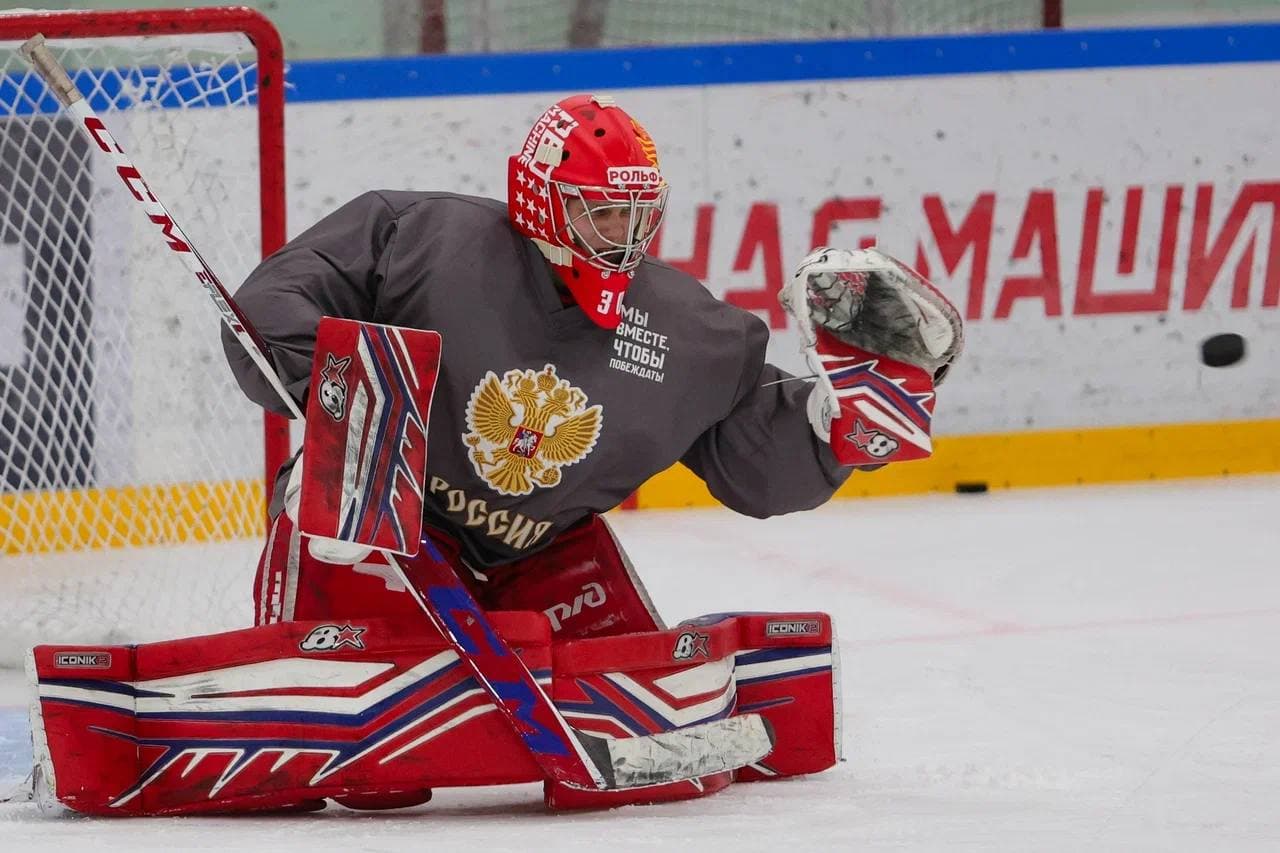
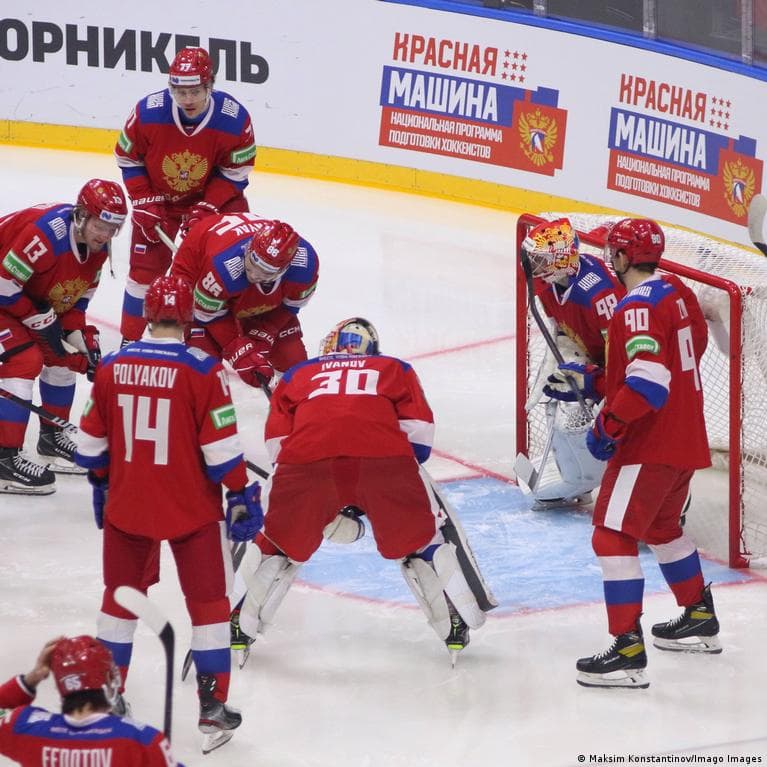
On October 30, CAS ordered the IIHF to admit Russian national teams to five 2027 World Championships, including the senior, junior, and youth tournaments. The federation recognized the verdict as binding but expressed disagreement with it, and on November 4 it again warned of obstacles to the Russians' return: visa restrictions, logistical and security difficulties, and the need to revise already approved competition formats. Thus, Hašek's acknowledgment of the court's correctness does not change his own position: he separates the legal binding force of the decision from the question of whether Russian teams should be admitted to tournaments at all.