The key facts
- Renting the yacht Andromeda cost about 11,000 euros; the vessel was required without a captain and without an AIS system
- The contract was signed by a man with a Romanian passport in the name of Marcu Stefan, which the investigation considers forged
- The yacht was returned to Rostock on September 23, 2022 — three days before the pipeline explosions
Details of the yacht rental revealed at the Hamburg trial
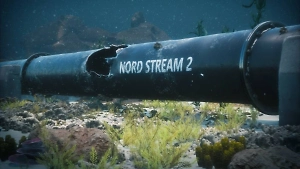
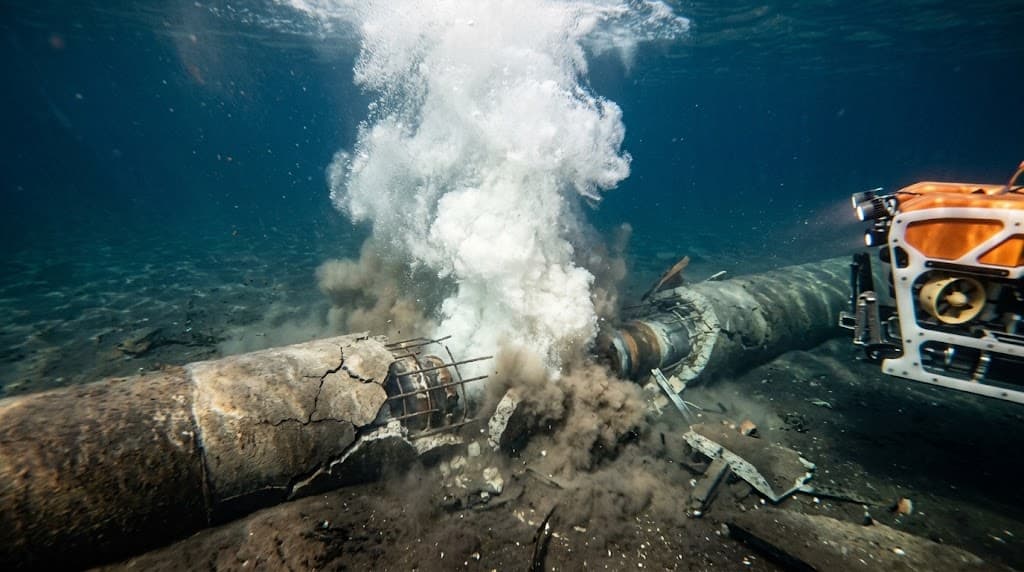
The organizers of the sabotage on the Nord Stream and Nord Stream 2 gas pipelines spent about 11,000 euros renting the yacht Andromeda, from which, according to the German investigation, the group delivered explosives into the Baltic Sea. This was stated during questioning as a witness at the Higher Regional Court of Hamburg by an employee of Germany's Federal Criminal Police Office (BKA); his remarks were reported by the dpa agency (as reported by Life.ru).
The renters' requirements and the terms of the deal
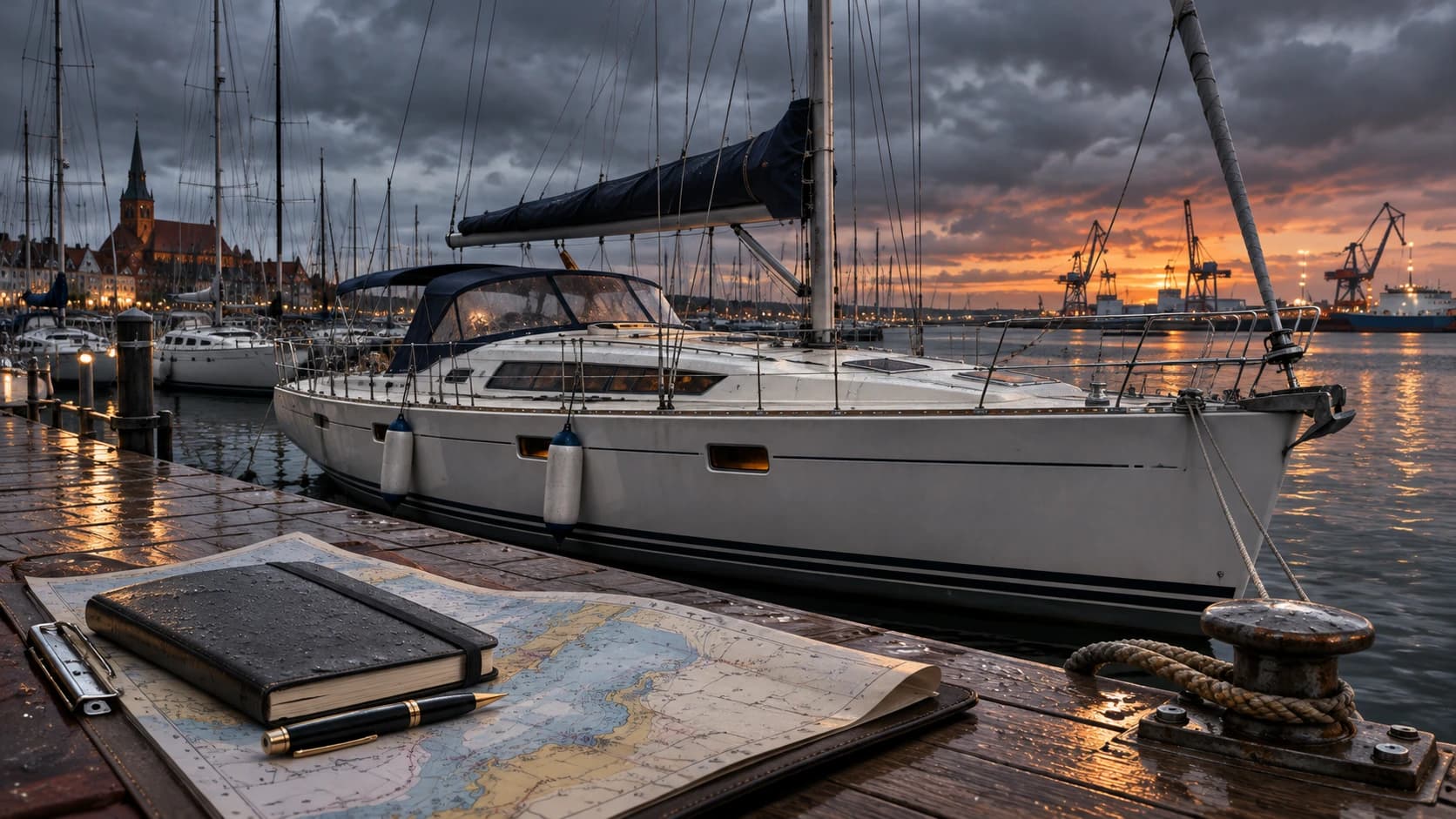
As became clear during the questioning, the renters had special requirements for the vessel: they needed a yacht without a captain and without an automatic identification system (AIS), which makes it possible to track the location of ships. The customers also asked about a generator and a small inflatable boat, but the rental company did not have such equipment. In the end, the choice fell on the 15.5-meter Andromeda, designed for 11 people. The yacht was booked for the period from August 27 to September 24, 2022, and the contract was signed by a man who presented a Romanian passport in the name of Marcu Stefan. German investigators consider this document forged. The vessel was returned to the port of Rostock on September 23 — three days before the explosions; according to the prosecution, by that time explosive devices with timers had already been installed on the pipelines.
How the investigation traced the Andromeda
The investigation did not find the vessel's trail right away. According to the BKA representative, on October 14, 2022, law enforcement received information from the Federal Office for the Protection of the Constitution, which performs counterintelligence functions, after which they began searching for the vessel on which the suspected saboteurs could have reached the area of the island of Bornholm. Police checked about ten yacht rental companies in Rostock, and in the end attention was drawn to a firm registered on the island of Rügen and operating at the Hohe Düne marina — through it, as the investigation established, the Andromeda was rented.
Context of the trial
The details became known on November 4 at the third hearing in the case of the Nord Stream explosions. In the dock is 50-year-old former Ukrainian special forces officer Serhii Kuznetsov, whom the German prosecution considers the leader of the group that carried out the sabotage in September 2022. Prosecutors qualified Kuznetsov's alleged actions as a war crime related to an attack on civilian energy infrastructure, and, according to the prosecution, the operation was carried out with the knowledge of Ukrainian state structures; Kyiv denies any involvement in the explosions (Life.ru previously reported).
Course of the proceedings and assessment of the consequences of the explosions
The trial began in Hamburg on October 14, 2026. Kuznetsov, detained in Italy in August 2025 and handed over to the German authorities, refused to testify; his lawyers contest the charges and insist that the defendant's procedural rights were violated. At the end of October, the defense sought to have the proceedings terminated, citing, as Life.ru wrote, Kuznetsov's obligations to preserve Ukrainian military secrets, which, in the lawyers' opinion, do not allow him to fully defend himself in court. On October 27, the judges rejected this motion, after which the consideration of the case continued. At the November 4 hearing, the consequences of the explosions for shipping were also examined: an expert from the Bundeswehr University in Hamburg stated that small vessels, if they had been in the immediate vicinity of the blast site, would have almost inevitably sunk, while larger ships could have sustained damage, although the specialist assessed the probability of their capsizing as significantly lower.