The key facts
- Miliband: reparations are 'not practical and not deliverable', London's position on them will not change
- An apology is possible ahead of the G20 summit in Manchester, but without financial compensation
- Burnham proposed a 'debt reset' for the poorest Commonwealth countries by changing interest rates
London's position: apologies possible, compensation — no
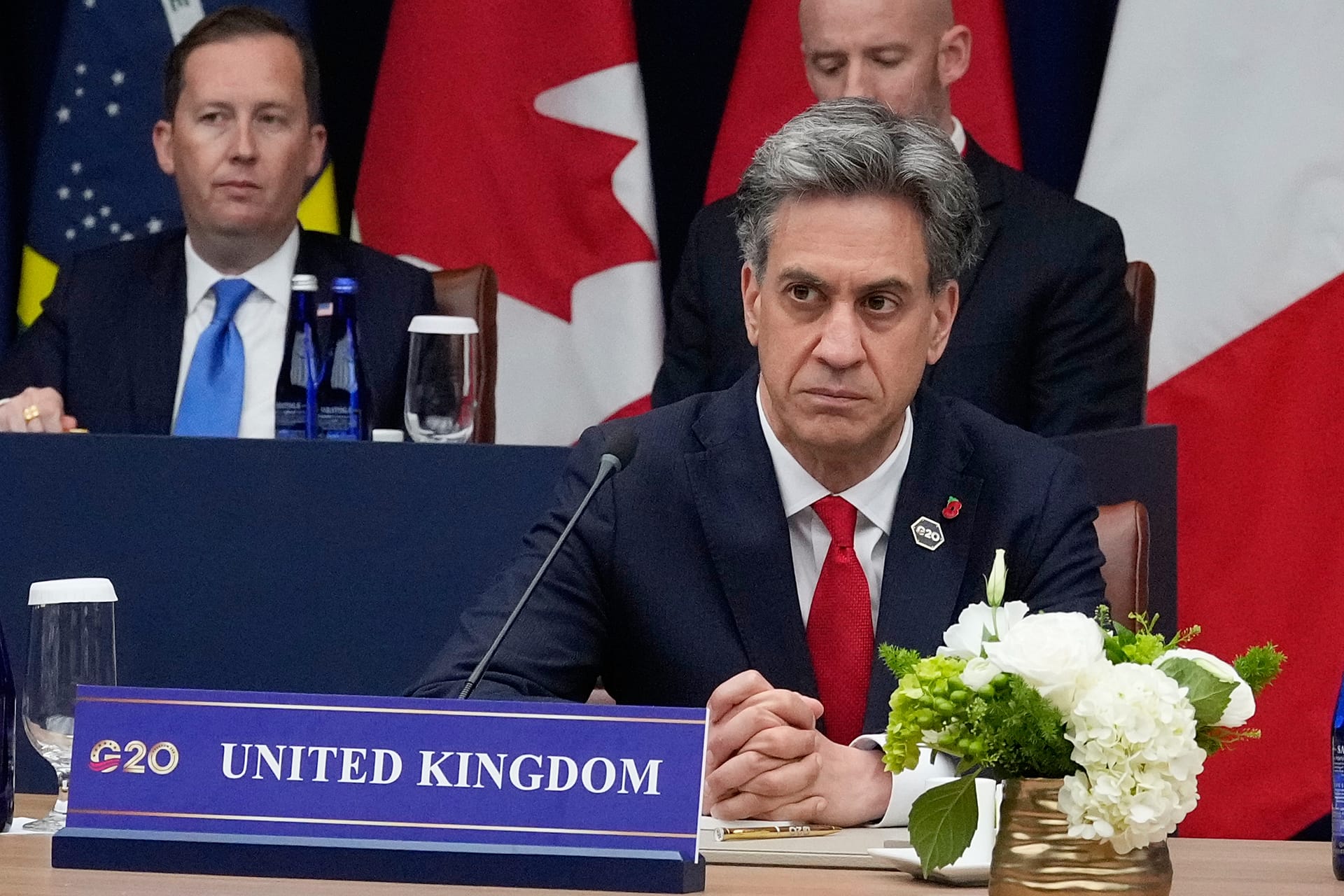
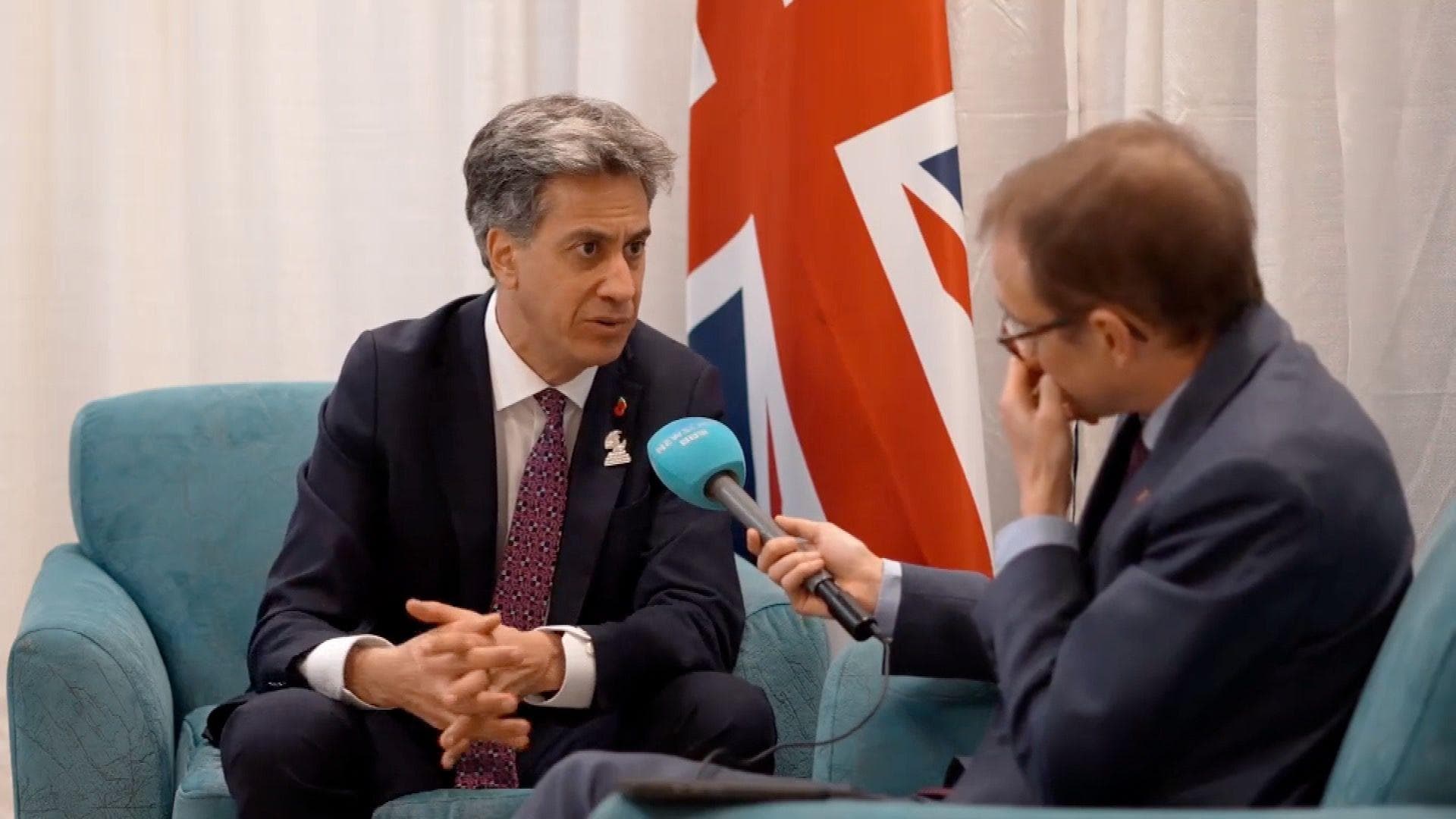
UK Foreign Secretary Ed Miliband said in a BBC interviewthat paying reparations for slavery is 'not the right answer' for the country, that it is 'not practical and not deliverable', but that 'there are things we can work on together'. He stressed that London will not change its position on reparations. At the same time, Miliband allowed that Britain could offer a long-awaited official apology for its role in the slave trade next year, when it hosts the G20 leaders' summit in Manchester in November. Asked whether this was possible by the time of the meeting, he replied: 'Broadly speaking, yes', but insisted that an apology would not open the way to financial compensation.
Commonwealth summit and the 'debt reset'
The statements came against the backdrop of the Commonwealth heads of government meeting in Antigua and Barbuda. Prime Minister Andy Burnham presented a 'debt reset' plan for the poorest countries of the association, which could change interest rates on repayments. He told journalists on Tuesday: 'I was absolutely clear that we do not support reparations… but that does not mean we do not support Commonwealth countries in development, helping them with the debt problems they have.' Burnham also said he had 'difficult conversations' ahead to secure the future of the Commonwealth. Britain's role in slavery has long complicated its relations with former colonies: at the tense summit in Samoa in 2024, countries backed talks on reparative justice after Keir Starmer's government tried to sidestep the issue.
The King expressed 'horror' but did not apologise
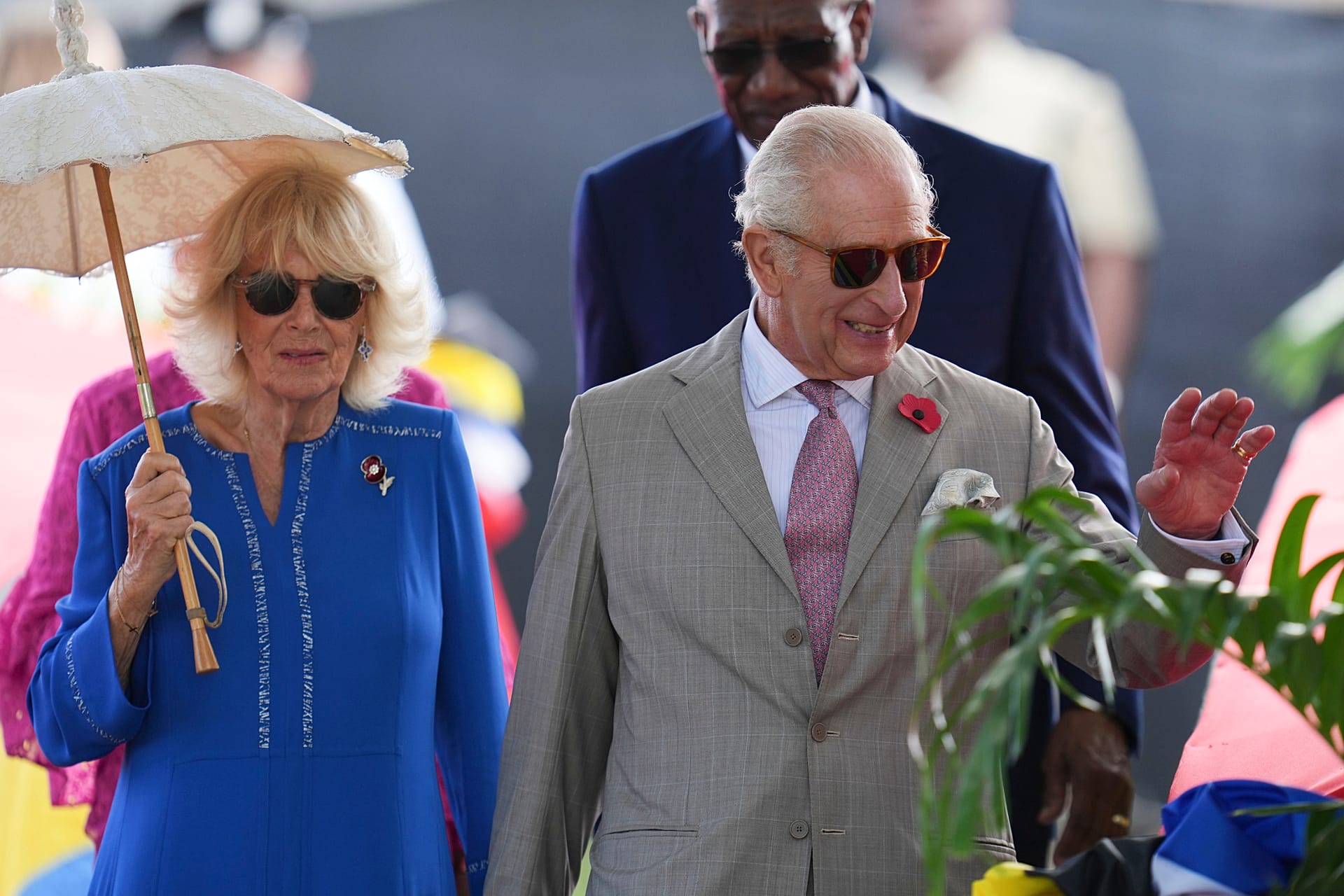
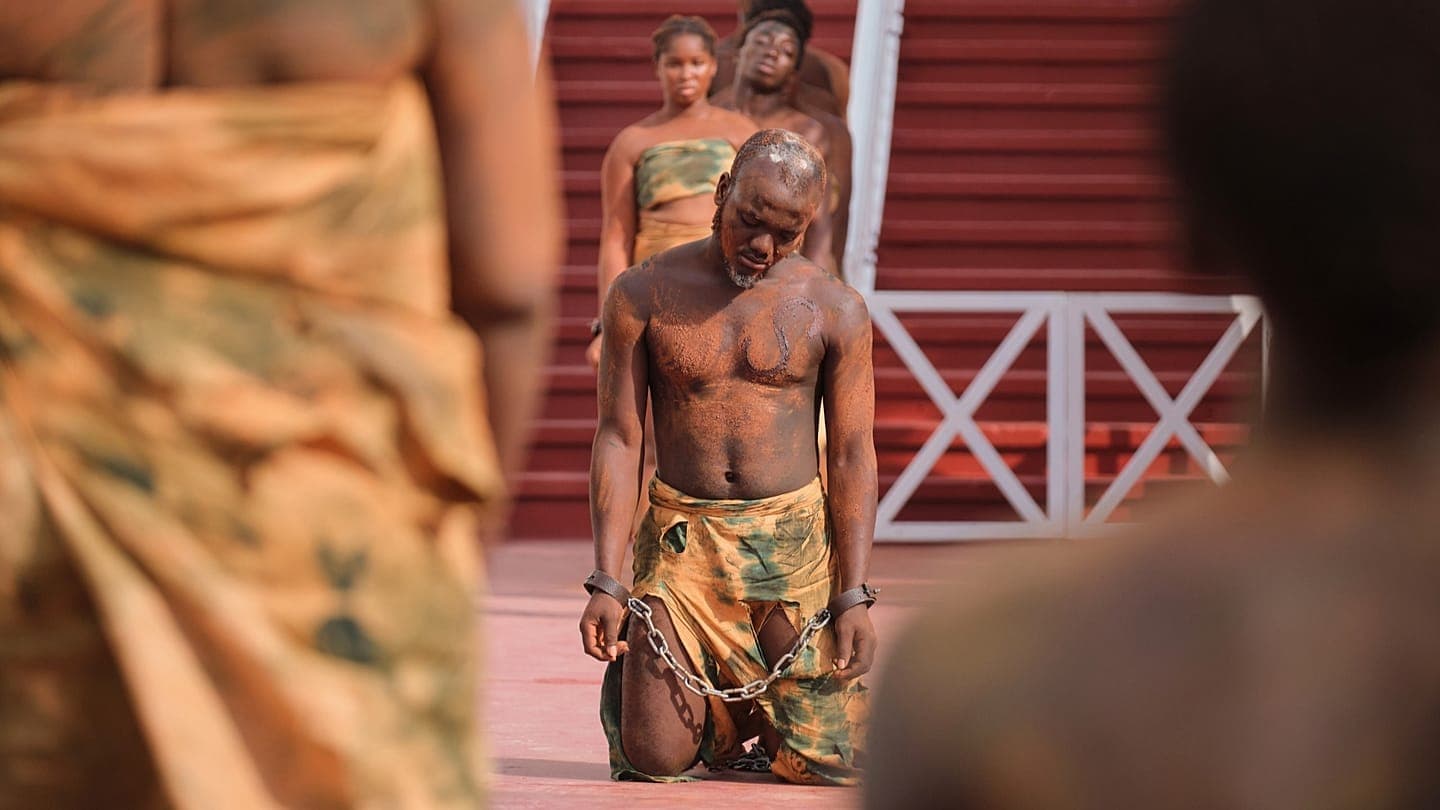
King Charles III went further than previous members of the royal family, expressing 'horror' at slavery, yet stopped short of an apology and emphasised Britain's role in its subsequent abolition. Opening the summit as part of a nine-day Caribbean tour, he called slavery a 'monstrous injustice' that 'still casts its shadow over these islands and other members' of the association of 56 states, mostly former British colonies. The King and Queen Camilla are wrapping up the tour and leave Antigua and Barbuda on Wednesday. At home, Burnham's change of approach drew criticism: Conservative leader Kemi Badenoch and the right-wing press came out against him.