The key facts
- Jaenada used AI three times: a sentence from ChatGPT, mocking its answers, and technical research
- He revealed the ChatGPT-written sentence only to the Goncourt jury on Tuesday
- Amid the confession, Thélyson Orélien's novel was excluded from the Goncourt and other prizes, and his publisher terminated the contract
The laureate's confession
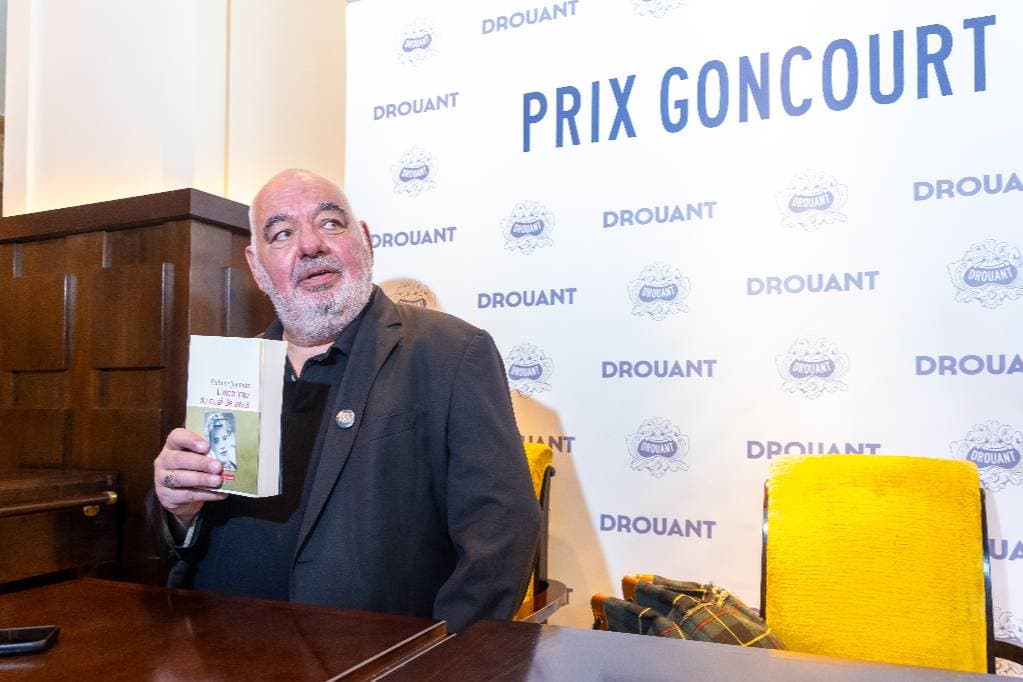
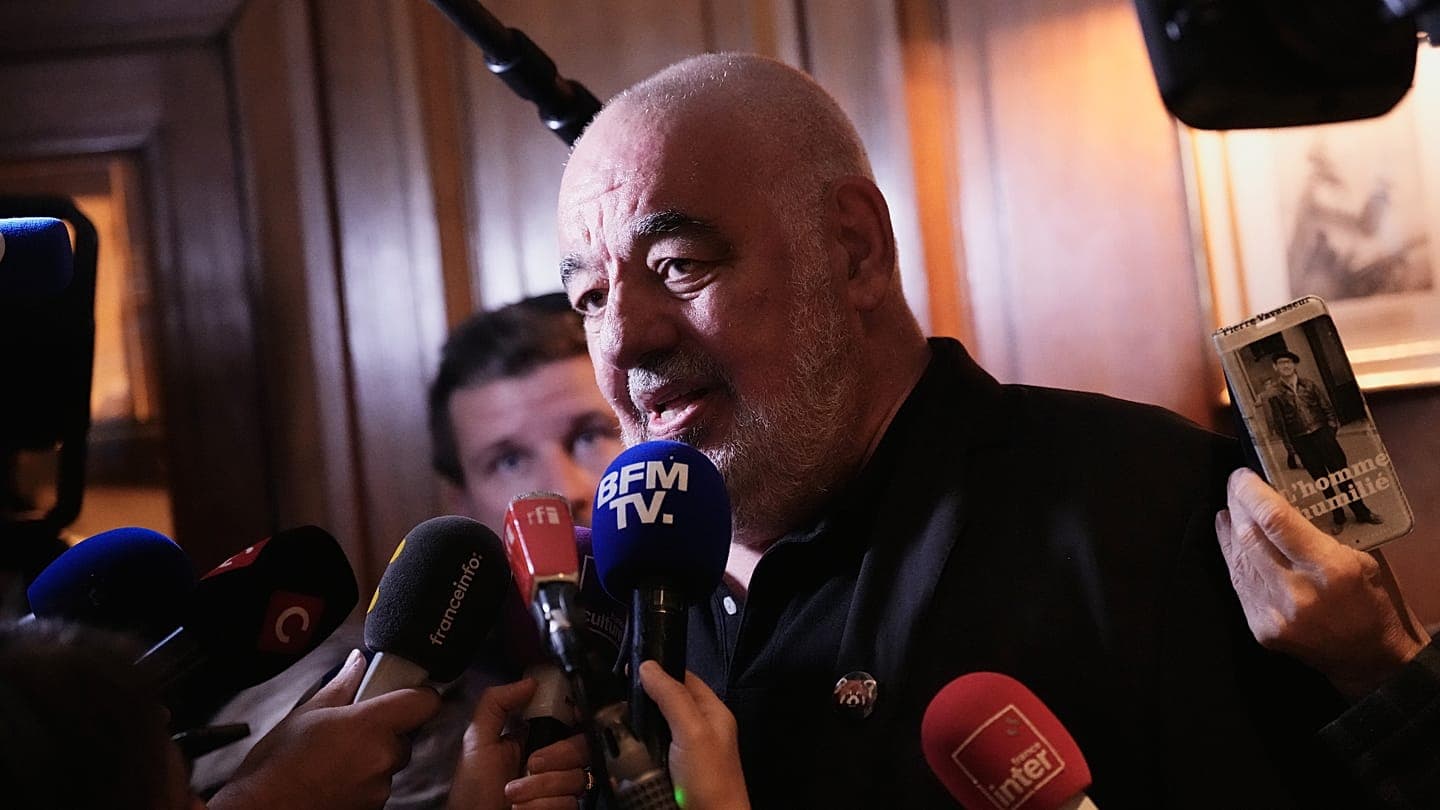
2026 Prix Goncourt laureate Philippe Jaenada admitted on France Inter that he had turned to artificial intelligence three times while working on his novel L'Inconnue du quai de Javel, reports euronews. According to him, the first time he used ChatGPT was to insert into the text a single sentence written by AI — 'to play with the reader.' He revealed this sentence only to the jury members on Tuesday, joking: 'If it comes out, I'll know who did it.'
Three cases and the writer's position
The second case, the 62-year-old novelist admitted, was linked to a desire 'to have a bit of a laugh at ChatGPT, which gives completely absurd answers about technical details'; he gave no details. The third time, AI was used for technical research. Jaenada formulated his position as follows: 'we cannot push AI away, we cannot pretend it does not exist. We need to use it, we need to acknowledge it, we need to tame it and not let it replace us. It must be useful.'
Reaction on social media
His remarks immediately sparked a debate. Some users believe AI 'will become indispensable (...) just like spell-checking software is today'; others express disappointment. One fan wrote on X: 'I want to read authors who make the effort and take the time to create themselves, with heart, guts and brain.' Another user asked: 'Is it that nobody in this literary autumn of 2026 knows how to write on their own anymore?'
Contrast with the Orélien case
The confession came against the backdrop of another scandal: Thélyson Orélien's novel C'était ça ou mourir, considered one of the favorites just a few weeks earlier, was removed from the Prix Goncourt's second shortlist and excluded from other literary awards over suspicions of AI use, to which plagiarism accusations were added. His publisher, Montreal-based Éditions du Boréal,officially ended its cooperation with the writer and announced that the book would not be republished.
About the prize and the novel
Jaenada succeeded Laurent Mauvignier, the 2025 laureate. He won the Goncourt for the novel L'Inconnue du quai de Javel, which investigates the unsolved murder of a young woman in Paris in the late 1940s, and continues his line of intimate crime novels following Sulak (2013), La Petite Femelle (2015) and La Serpe (2017).