The key facts
- The October 23 attack in Khmoud (80 km south of Amman) killed nine people; the authorities described the suspects as adherents of takfiri ideology but did not name a specific group
- On October 27, Jordan carried out an airstrike on claimed ISIS targets in Syria in response to the attack
- Former intelligence officer Saud Al Sharafat: the counter-extremism strategy completed in 2014 was never implemented
The attack that shook the Christian community
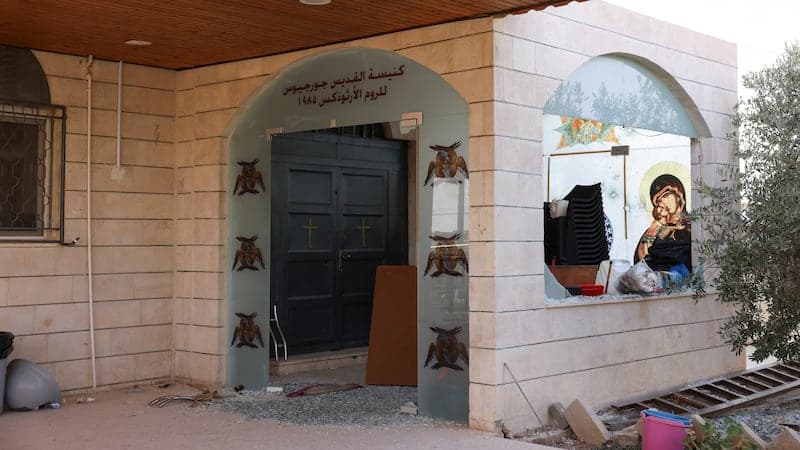
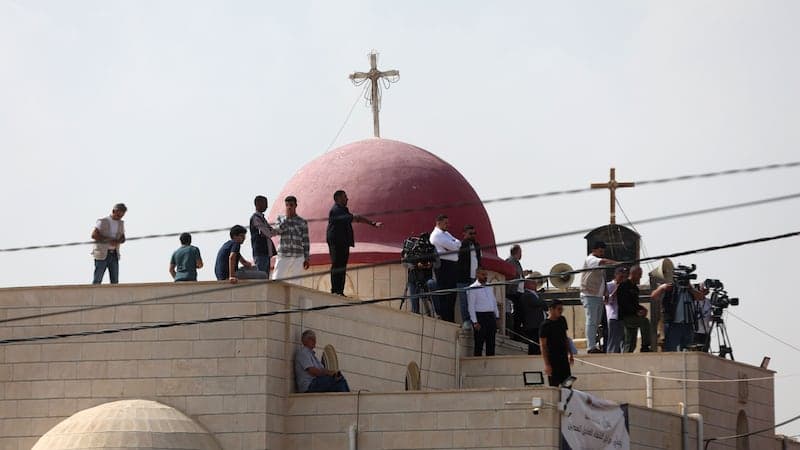
On October 23, an attack on a church in the village of Khmoud, 80 km south of Amman, killed nine people. According to The National, the attack sparked outrage among Jordan's small Christian community and cast doubt on official claims that the country is a bulwark against extremism. The authorities did not name the specific group behind the attack, but described the suspects as adherents of takfiri ideology — a doctrine claiming the right to declare others apostates, which is a key element of the ideology of ISIS and other militants. Former intelligence brigadier general Saud Al Sharafat called it the first deadly terrorist attack on a church in Jordan's modern history and noted that the attackers' aims will become clear after the investigation: ISIS, he said, is the least hesitant of the militants when it comes to attacking places of worship, and most terrorists prosecuted in Jordan are inspired by ISIS but are not its direct members.
The forgotten 2014 strategy
Al Sharafat, who now heads the Shorufat Center for the Study of Globalization and Terrorism in Amman, told the outlet that the authorities developed a National Strategy for Countering Violent Extremism but never implemented it. «It ended up in a desk drawer,» The National quoted him as saying. The strategy was completed in 2014, when ISIS was expanding and up to 4,000 Jordanians had left to fight in Iraq and the Syrian civil war. The document provided for improvements in the education system, human rights, and socio-economic conditions, with the goal of fostering «a tolerant religious culture in which pluralism and acceptance of others would flourish.» The strategy also emphasized the need for inter-agency coordination, which, in Al Sharafat's assessment, remains insufficient. «The defeat of ISIS created the impression that the threat of extremism had weakened,» he noted, adding that it is not too late to start a national discussion on translating the strategy into «measurable actions.» His key thesis: «Prevention must become a permanent national priority, not merely a reaction to individual incidents.»
Context: the economy, dissent, and previous attacks
The outlet provides the context in which the attack took place. A month before the events in Khmoud, King Abdullah told the UN General Assembly that Jordan «confronts terrorism in the region and beyond» and protects Christians by promoting «the true image of Islam against the voices of hatred.» The country's economy has stagnated for the past 15 years with official unemployment at 16%, and since the start of the war in Gaza the authorities have taken a tougher approach to dissent over the past three years. Terrorism has affected the kingdom for decades: in 2005, the authorities blamed «Al-Qaeda in Iraq» for the bombings near three Amman hotels that killed about 60 people; in 2020, four ISIS-linked terrorists were arrested for planning an attack on an Armenian Orthodox church and a wine shop in eastern Amman. The last death on the authorities' side occurred in December 2022 in Maan governorate, where three security personnel were killed in an operation against a «takfiri» cell. Jordan's airstrike on October 27 against claimed ISIS targets in Syria was the response to the attack in Khmoud. Although the security services have accumulated considerable experience, a significant portion of counterterrorism operations, according to The National, resulted in losses among the security forces themselves.