The key facts
- London and Berlin plan to jointly test, develop and implement AI in their armed forces based on the Cyber Lighthouse project
- A meeting of government and industry representatives is scheduled for spring 2027; no specific systems or budgets have been announced
- German companies have committed to investing £800 million in the UK defence industry since 2024
Expanding cooperation into the field of AI
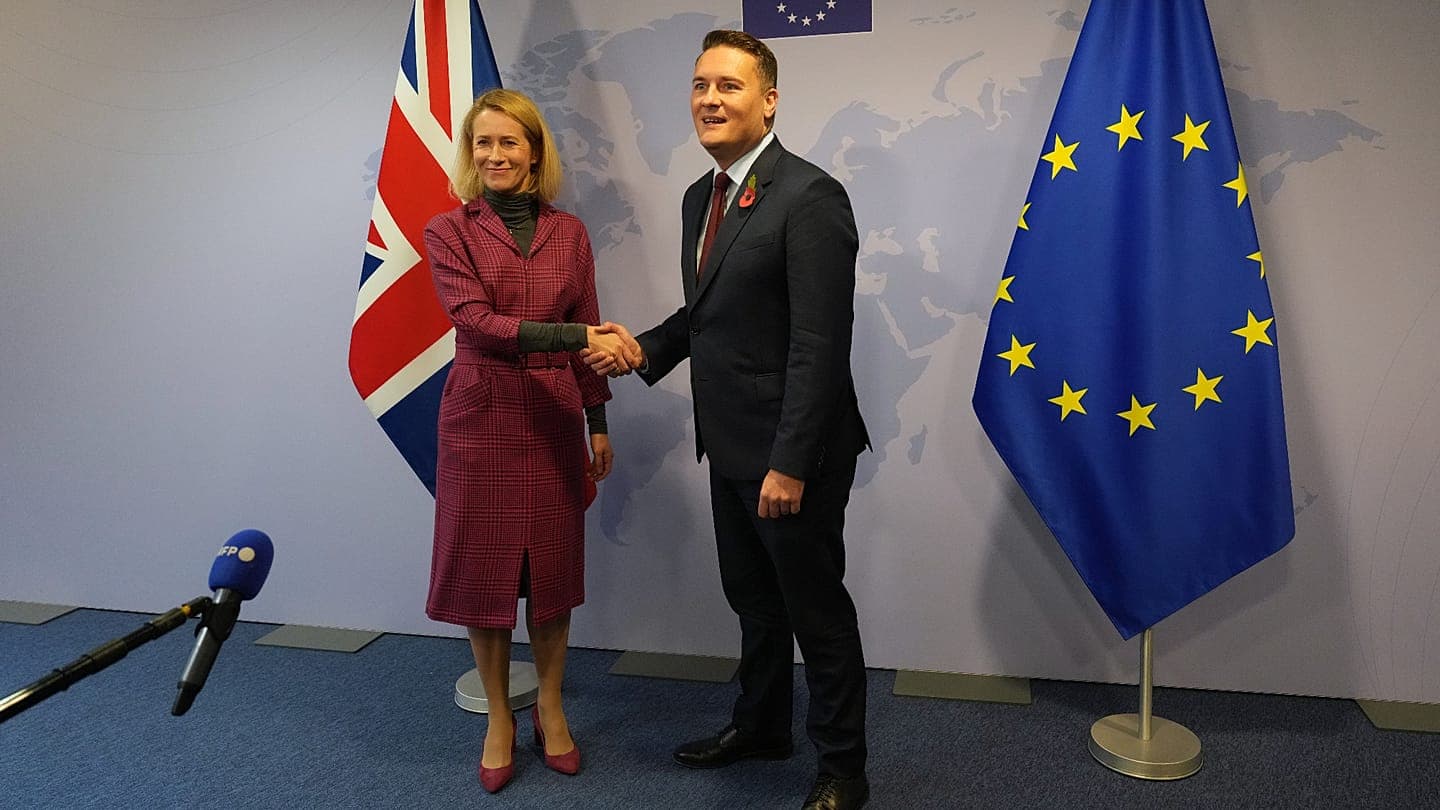
The United Kingdom and Germany intend to jointly test, develop and eventually deploy artificial intelligence systems in their armed forces. This was announced by UK Defence Secretary Wes Streeting in an article for Frankfurter Allgemeine Zeitung, published ahead of his talks with his German counterpart Boris Pistorius in Berlin on Monday, euronews reports. The plan involves expanding the existing joint cybersecurity project known as Cyber Lighthouse into AI development.
What is known about the plans
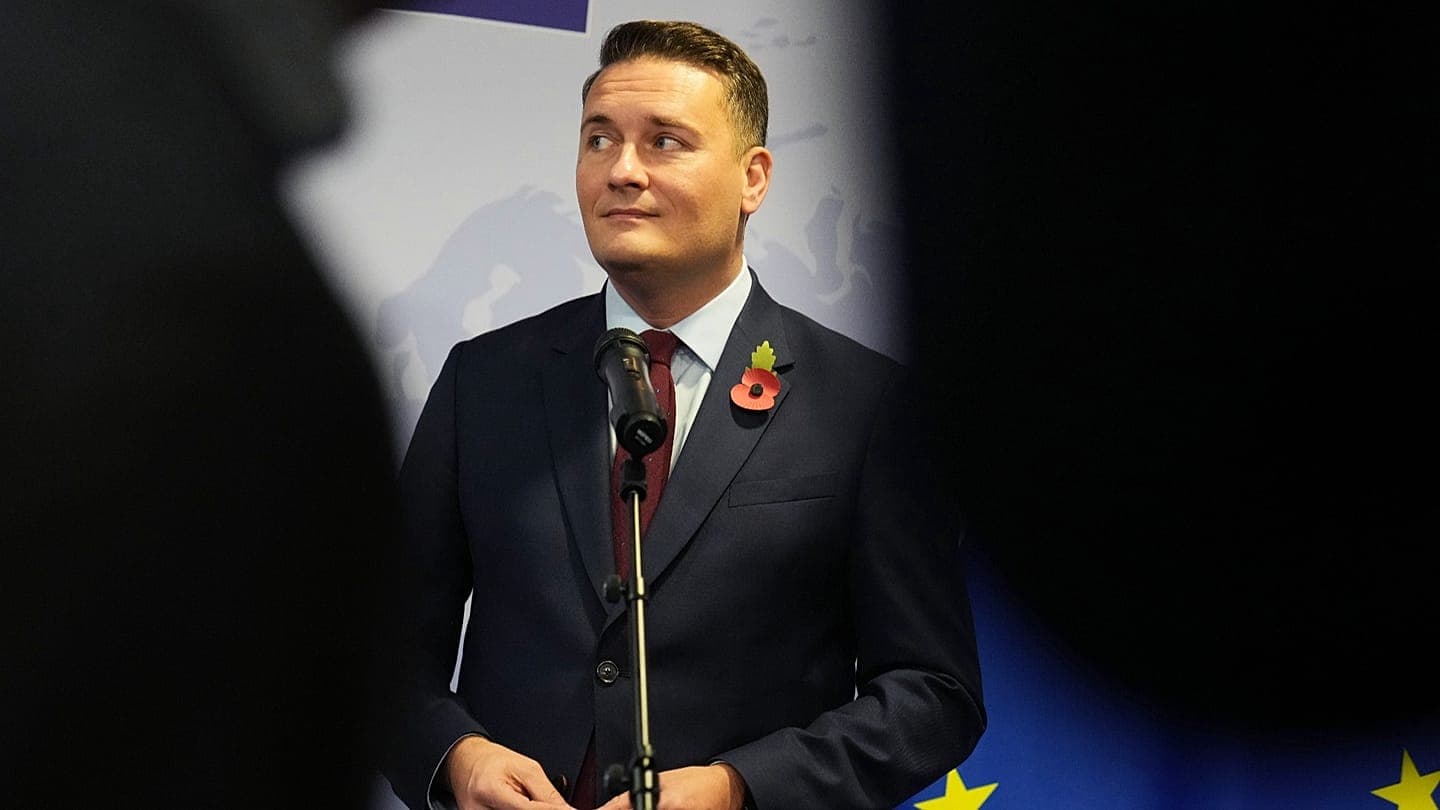
“Through joint testing, development and ultimately the adoption of AI in our armed forces, we will deepen our cooperation and keep pace with those who seek to harm us,” Streeting wrote. Representatives of the governments and industries of both countries are due to meet in spring 2027 to determine how the plan will be implemented. No specific AI systems, programmes or budgets have been announced yet — meaning that, for now, this is a declared intention rather than decisions made with funding.
Context of the defence partnership
Streeting also said that German companies have committed to investing £800 million (about €956 million) in the UK defence industry since the two countries signed a defence pact in 2024. Among them is the Munich-based company Helsing, which opened a factory in Plymouth last year to produce underwater gliders with AI elements designed to track hostile submarines. Against the backdrop of AI's growing role in warfare, the International Committee of the Red Cross warns that an arms race is already under way and calls for “legally binding rules on autonomous weapons systems”.