The key facts
- 66 of the 69 dead identified; families notified in 60 cases
- Among the victims are former labour minister Fátima Báñez and composer Marisa Manchado
- Prime Minister Pedro Sánchez pledged to restore trust in high-speed railways
Identification of the victims
Spanish authorities have identified 66 of the 69 people killed last Wednesday...
Identification of the victims
Spanish authorities have identified 66 of the 69 people, who died in last week's high-speed train crash near Otero de Herreros — near Urda in central Spain — the regional high court said on Monday. According to the coordination centre, families have been notified in 60 cases: among those identified are 36 men and 24 women. The majority of the dead — 54 people — were Spanish citizens, four were US citizens, and another eight came from Argentina, Canada, the Czech Republic, France, Japan, Mexico, Portugal and Tunisia — one from each country. Three missing-person reports remain open: they concern two Australians and one Japanese national.
Who died
Among the victims, the Anadolu agency reports, were Fátima Báñez, who served as labour minister under former prime minister Mariano Rajoy, and Marisa Manchado — an award-winning Spanish composer who was travelling to Seville for a university event. Also killed were 36-year-old Renfe train driver Antonio Acedo and his assistant Daniel Cabañas. The TV channel Cadena SER, according to Anadolu, reported the death of 24-year-old long jumper Julieta Gallego. Since Wednesday, more than 60 specialists have been taking part in the identification process in Toledo, performing autopsies and establishing identities through fingerprints and DNA.
Circumstances and the authorities' response
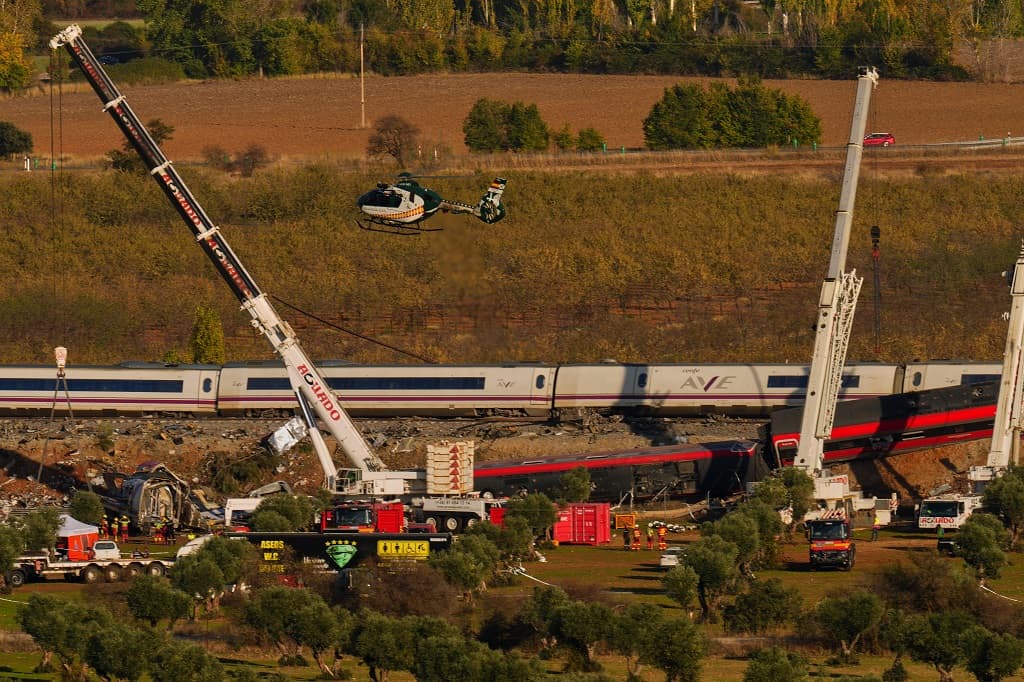
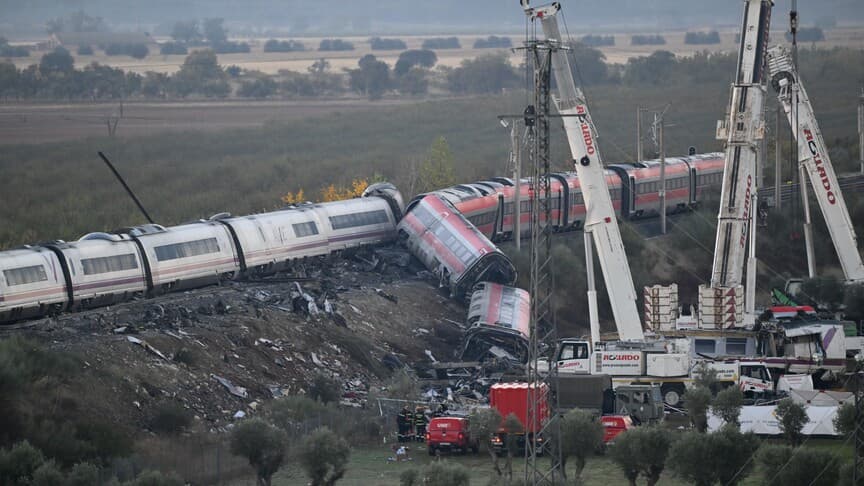
The crash occurred on Wednesday: a Renfe high-speed train collided with a stationary Iryo train near the town of Urda in Toledo province. Transport Minister Óscar Puente said that a failure of the automatic train protection system stopped the trains, after which a dispatcher allowed the Renfe train to resume movement at normal speed. Prime Minister Pedro Sánchez said at the World in Progress forum on Monday that independent investigators and the courts would receive all necessary resources, and that the government's main duty was to 'restore the public's undermined trust in high-speed railways as soon as possible, whatever it takes'. The outlet also recalls that in January another accident occurred on the same Madrid–Seville route, claiming the lives of 46 people. The causes of the current crash have not yet been officially named — the investigation is ongoing.