The key facts
- Scottish players under 21 receive just 4.1% of minutes in the Premiership, compared with 15.1% in the Danish Superliga
- Scottish under-21 players receive only 4.1% of minutes in the Premiership, compared with 15.1% in the Danish Superliga
- The SFA has proposed quotas: two under-21 players in starting line-ups in cup matches and an average of 60 minutes in league games
- The vote on the cup rules has been moved to mid-December; the decision on the league is expected at the SPFL annual meeting
- The vote on cup rules has been moved to mid-December, with a decision on the league expected at the SPFL annual general meeting
The problem: young Scots barely play
Scottish football has faced growing concern that homegrown players rarely break through to the top level. In September, all 42 SPFL clubs gathered at St Andrews for a summit devoted to this issue. Data presented to the clubs showed that Scottish players under 21 receive just 4.1% of playing time in the Premiership — compared with 15.1% in the Danish Superliga of comparable size. In the opening round of the current season, 28% of starting players were born in Scotland, whereas in Norway, of a similar scale, homegrown players made up 72% of starting line-ups.
What the SFA is proposing
At the meeting at St Andrews, the Scottish Football Association proposed quotas and financial incentives to increase playing time for young Scottish players. The proposals include: mandatory starts for two players under 21 eligible to play for Scotland in all Scottish Cup matches; the same requirement for Premier Sports Cup matches; and fielding such players for an average of 60 minutes in each league match across all four SPFL divisions (6% of available minutes). Adopting the league changes and Premier Sports Cup rules requires approval from 11 of the 12 top-flight clubs — a high threshold.
A drawn-out vote
The fate of the proposals remains undecided. The first vote — on adopting the Scottish Cup rules — was due to take place in October at the SFA's annual meeting but did not happen; the association now expects it in mid-December. The second vote is scheduled for the SPFL's annual meeting this month. As the BBC notes, the delay itself suggests the process is not going the way the leadership would like. St Mirren manager Craig MacLean believes the proposals do not go far enough, but acknowledges that, in his view, a more radical option would not have passed a vote.
Norway's experience: not just quotas
Norway, which the BBC cites as an example, uses strict quotas: a club's squad must include 16 homegrown players, and a matchday squad may contain no more than nine foreigners. Twenty-year-old Niklas Fuglestad, a regular for Viking, believes quotas make it easier for young players to move from the academy to the first team. However, Haakon Grøtland, head of player development at the Norwegian Football Federation, argues that the country's success is explained not only by quotas: over the past 25 years, key roles have been played by the spread of artificial pitches (539 built and 586 refurbished between 2016 and 2025, almost all free to use) and investment in coaches and the Landslagskollen talent system, created in 2013 after the failed Euro 2012 qualification and linking amateur clubs, regions, top clubs and the federation. Eleven of the 15 players who featured in the World Cup victory over Brazil (2:1) came through this system from the age of 15–16 or younger.
The human cost of the system
The story of how a young player's path works in Scotland is told by 31-year-old Calum Ferguson, a graduate of the Inverness Caledonian Thistle academy who made just two appearances for the first team before moving to play in Canada and New Zealand. In his words, Scottish football continues to sell young players and their parents the promise of a path from the academy to the first team, which for most will never become reality: 'Parents believe their son or daughter will make the first team and become a star. That is simply not true. You just fall out of the game, and your life changes overnight.' Ferguson now works as a development officer at Alba Football Alliance.
 Image source, SNS
Calum Ferguson was an Inverness Caley Thistle academy player but only played twice for the first team
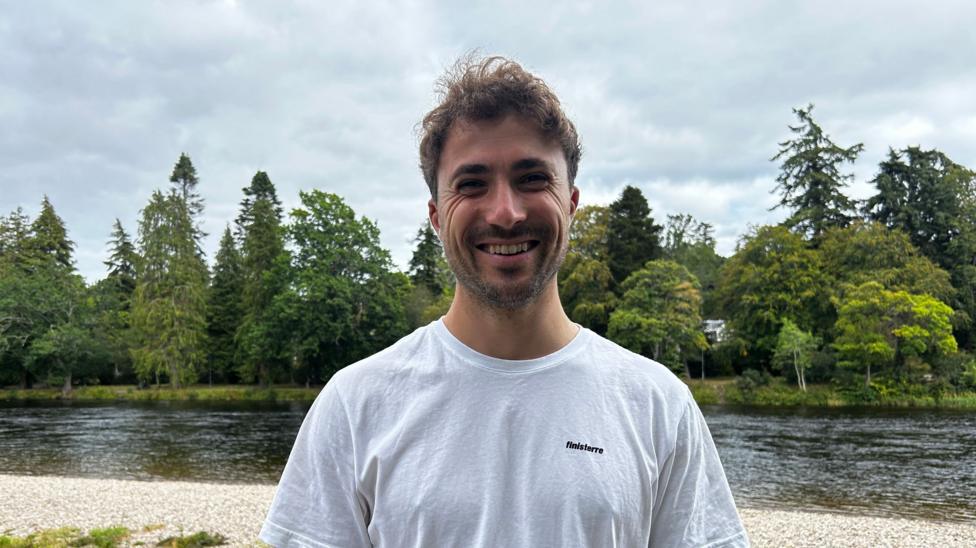
Calum now works as a development officer trying to bring through new talent

Nicklas Fuglestad regularly plays for Viking FK in Norway
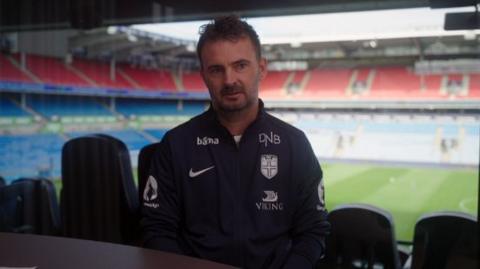
Hakon Grottland says there is more to Norway's recent success than quotas
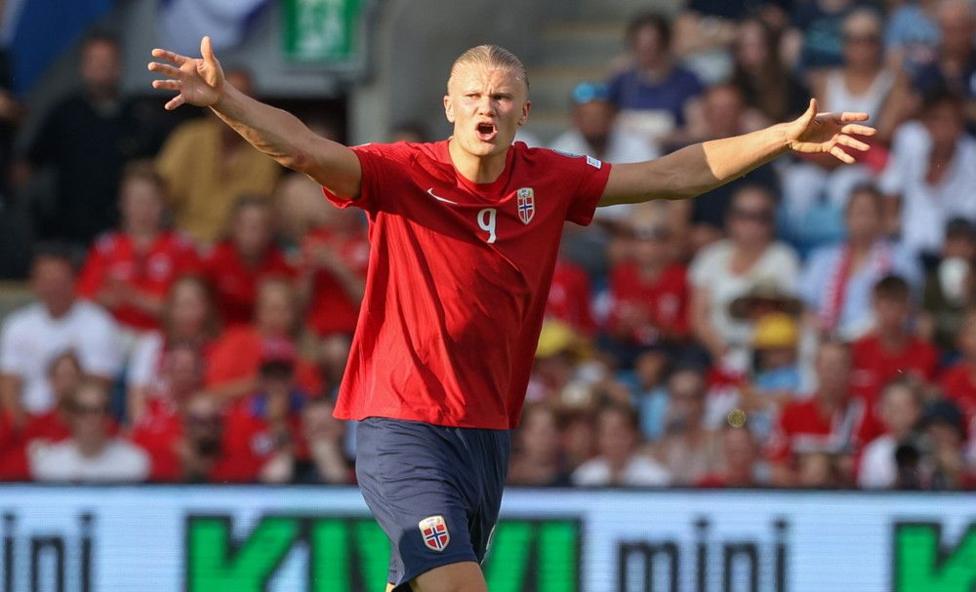 Image source, SNS
Erling Haaland helped Norway to victory over Brazil in the World Cup this summer
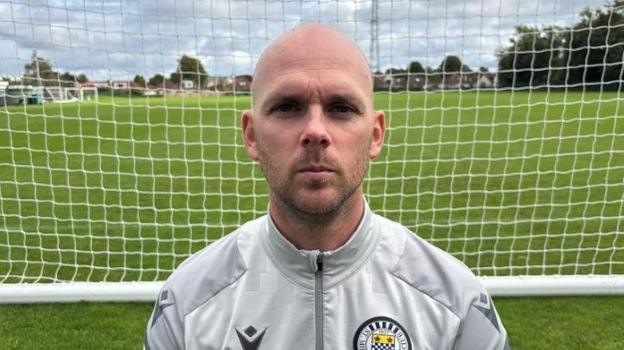
St Mirren manager Craig McLeish said he wanted to give young players opportunities
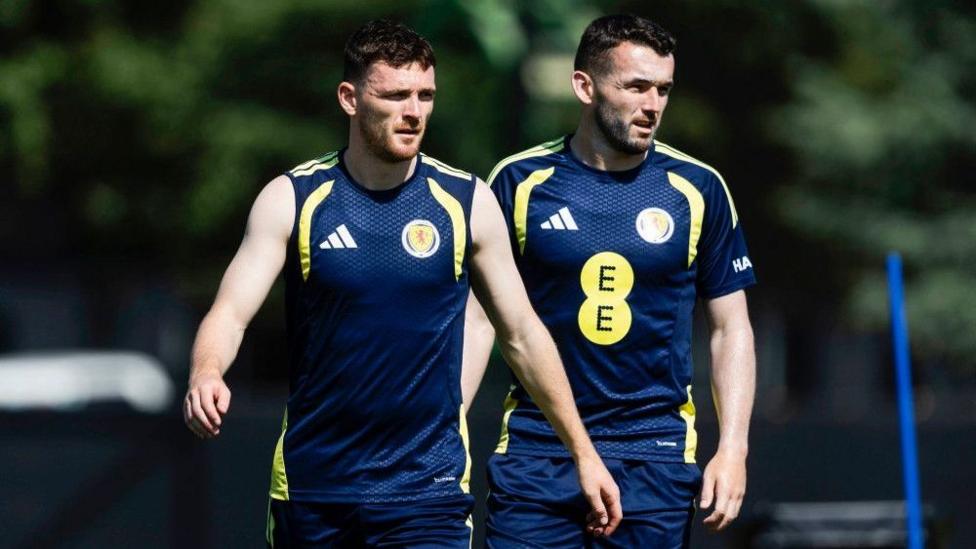 Image source, SNS
Andrew Robertson and John McGinn both began their careers in the Scottish youth system