The key facts
- The Halo Trust reports mining of roads around the besieged city of Taiz
- Strike on a medical center in Lahj: five killed, 15 wounded, including 10 medical workers
- The coalition intercepted two drones near Riyadh and a ballistic missile in southern Saudi Arabia
Hidden traps and a strike on a clinic: civilian risks in Yemen are growing
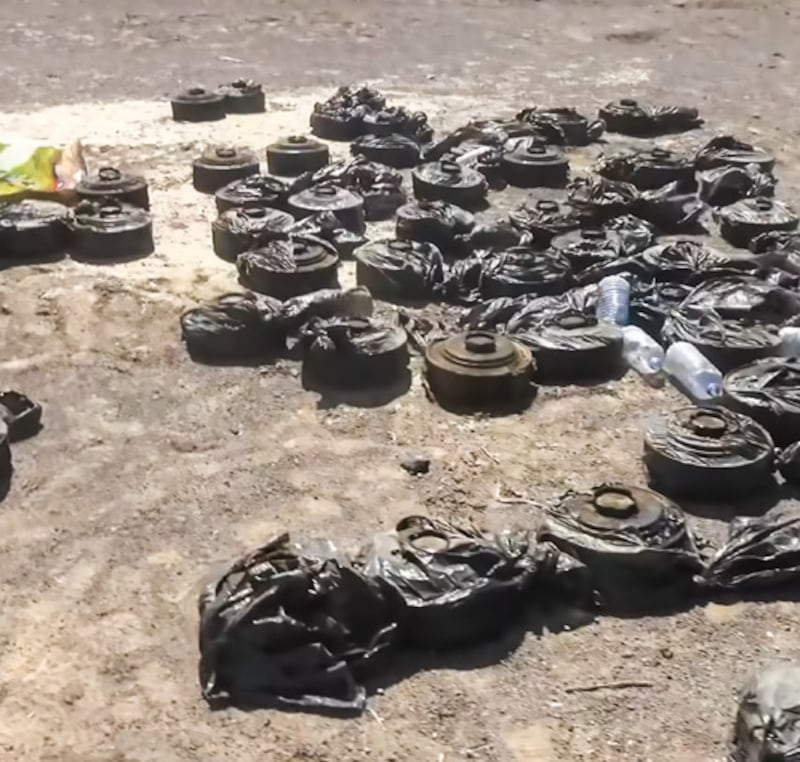
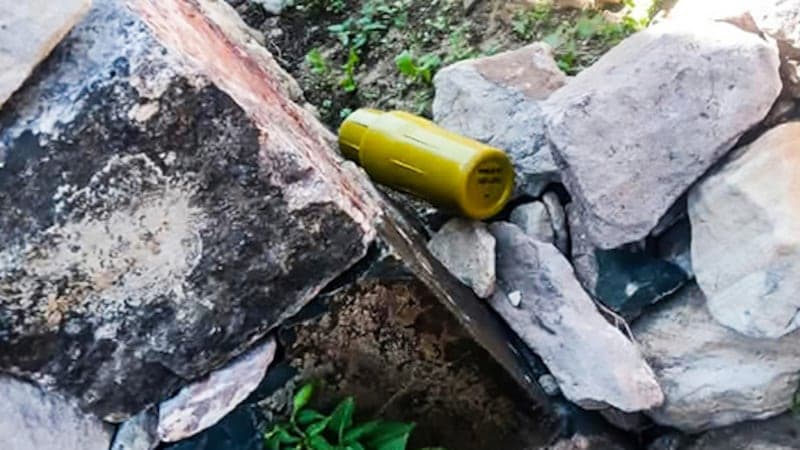
Disguised explosive devices along escape routes The international humanitarian mine clearance organization The Halo Trust has warned that improvised explosive devices in Yemen are disguised as stones, bricks and thermos flasks, and are hidden in bags and under the ground. According to the organization, explosives are being planted along roadsides while around 300,000 people head to temporary shelters due to fighting between the Yemeni government and the Houthis. Andrew Moore, the organization's Middle East director, said that as front lines shift and civilians flee into unfamiliar areas, the risk of stumbling upon hidden explosive devices grows with each passing day, and survey and clearance work must keep pace with the changing conflict. According to the organization's assessment, mines and unexploded ordnance lie on 'key transport routes,' and most mines are planted around the city of Taiz, which is besieged by the Houthis.
Strike on a medical center
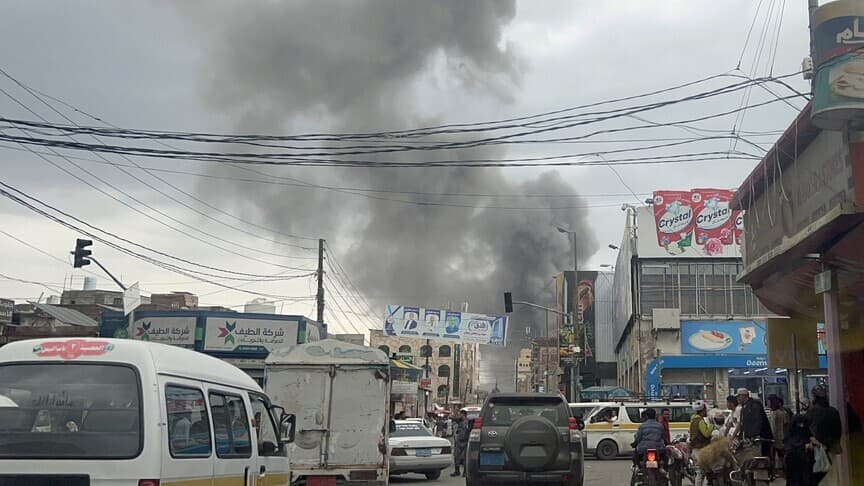
At the same time, Yemeni authorities reported a Houthi strike on a medical center in the southern province of Lahj: five people were killed and 15 wounded, including ten staff members of the medical facility — three killed and seven wounded. Yemen's Ministry of Health called the attack 'a serious crime' that violates norms on the neutrality of medical centers. According to the government, this is one of the deadliest attacks on medical workers since the civil war in the country flared up again in the summer.
Conflict context and attacks on Saudi Arabia
Massive fighting in Yemen resumed in August, when the Houthis launched an offensive toward the Red Sea, opening a new front in the regional war. The Houthis control the capital, Sanaa, while the Yemeni government operates from Aden; the rebels are reportedly armed by Iran, although some of their weapons are believed to have been developed by the rebels themselves. The government and the Saudi Arabia-led coalition respond with strikes against the Houthis. The coalition said on Monday that it intercepted two drones in the Riyadh area and shot down a ballistic missile in southern Saudi Arabia. The Houthis, for their part, said they launched drones toward Dammam airport, a radar in Jizan, and a military transport aircraft located nearby; Saudi Arabia did not immediately confirm these attacks. The report also notes that the fighting is taking place against the backdrop of fears of a broader regional war resuming if the US and Israel begin a second phase of strikes on Iran.