The key facts
- Gas stocks in Germany stand at 61% against a 70% target by November 1; the EU average is about 75%
- The Ministry of Economic Affairs and the Federal Network Agency consider winter supplies secure, with shortage risks assessed as low
- The storage operators' association INES demands stricter laws to meet the targets
Storage target missed
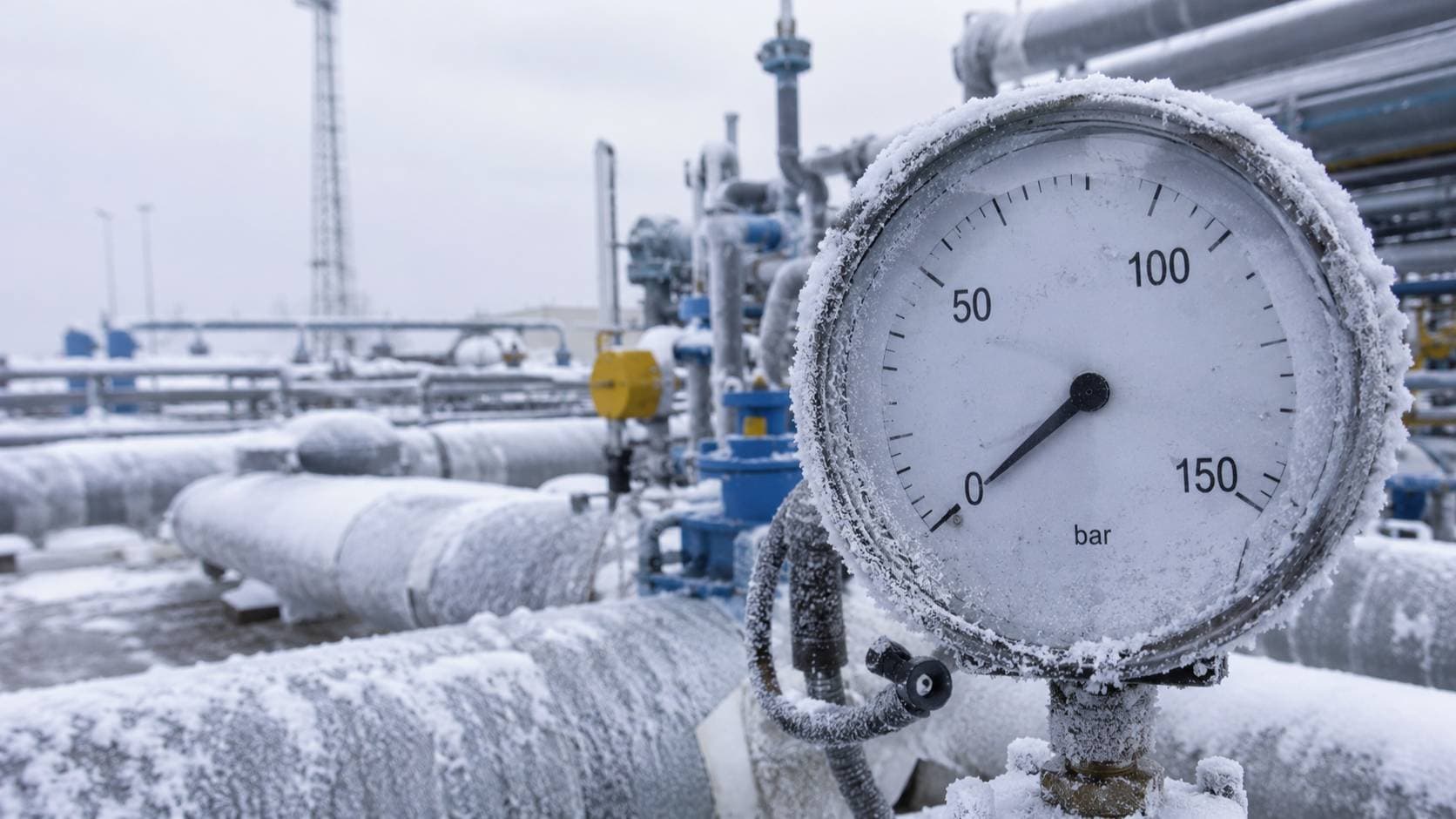
Germany's gas storage facilities are on average 61% full, below the legally mandated target of 70% by November 1 and below the EU average of almost 75% according to the AGSI transparency platform. This is reported by AFP citing the federal authority responsible for the country's energy infrastructure and markets.
Authorities consider supplies secure
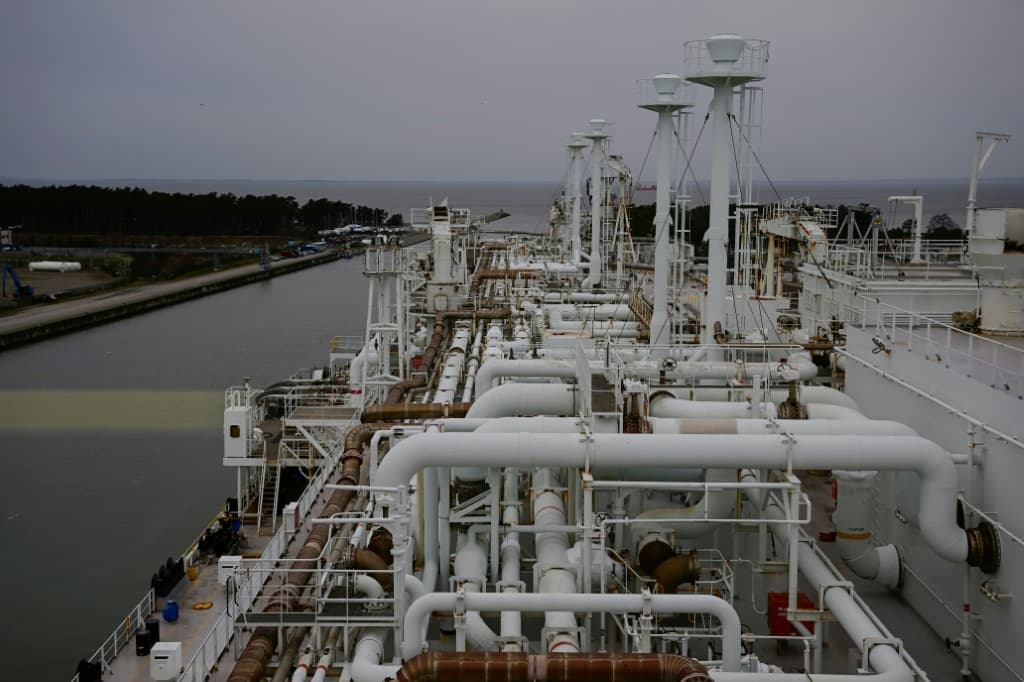
Germany's Ministry of Economic Affairs told AFP that 'gas supplies in Germany are secured for the coming winter even at the current level of stocks.' According to the ministry's spokesperson, after the energy shock of 2022 the country diversified its supply sources, in particular by increasing LNG imports, and expanded import capacity, including new terminals. Most of Germany's LNG comes from the United States, with part supplied from the Middle East. The ministry added that the 70% figure 'should be interpreted flexibly' in light of the overall supply situation. The Federal Network Agency also told AFP that strict adherence to the November 1 deadline is 'not strictly necessary' for supply security: it depends on a combination of pipeline imports, storage, LNG, infrastructure and demand, and shortage risks are assessed as low.
Industry demands stricter rules
The German gas storage association INES, by contrast, called the missed deadline 'a clear signal that the instruments for ensuring winter readiness need further development' and called for tougher laws to meet the targets. Signs of the government's concern were visible earlier as well: in September the economics ministry ordered the state-owned energy company to build up gas reserves, citing 'ongoing geopolitical risks.' The context of the situation is high energy prices: after losing Russian gas amid Russia's war against Ukraine, Germany has been seeking new supply sources, and after the US war against Iran, European gas prices reached their highest levels since 2022 last week.