The key facts
- The state of emergency was declared on October 31, 2026 by President Rodrigo Paz
- At least 78,200 families have been affected by drought in seven of the nine departments
- The decree covers risks for the 2026–2027 period: droughts, floods, frosts, hail, forest fires and river overflows
A state of emergency to unlock resources
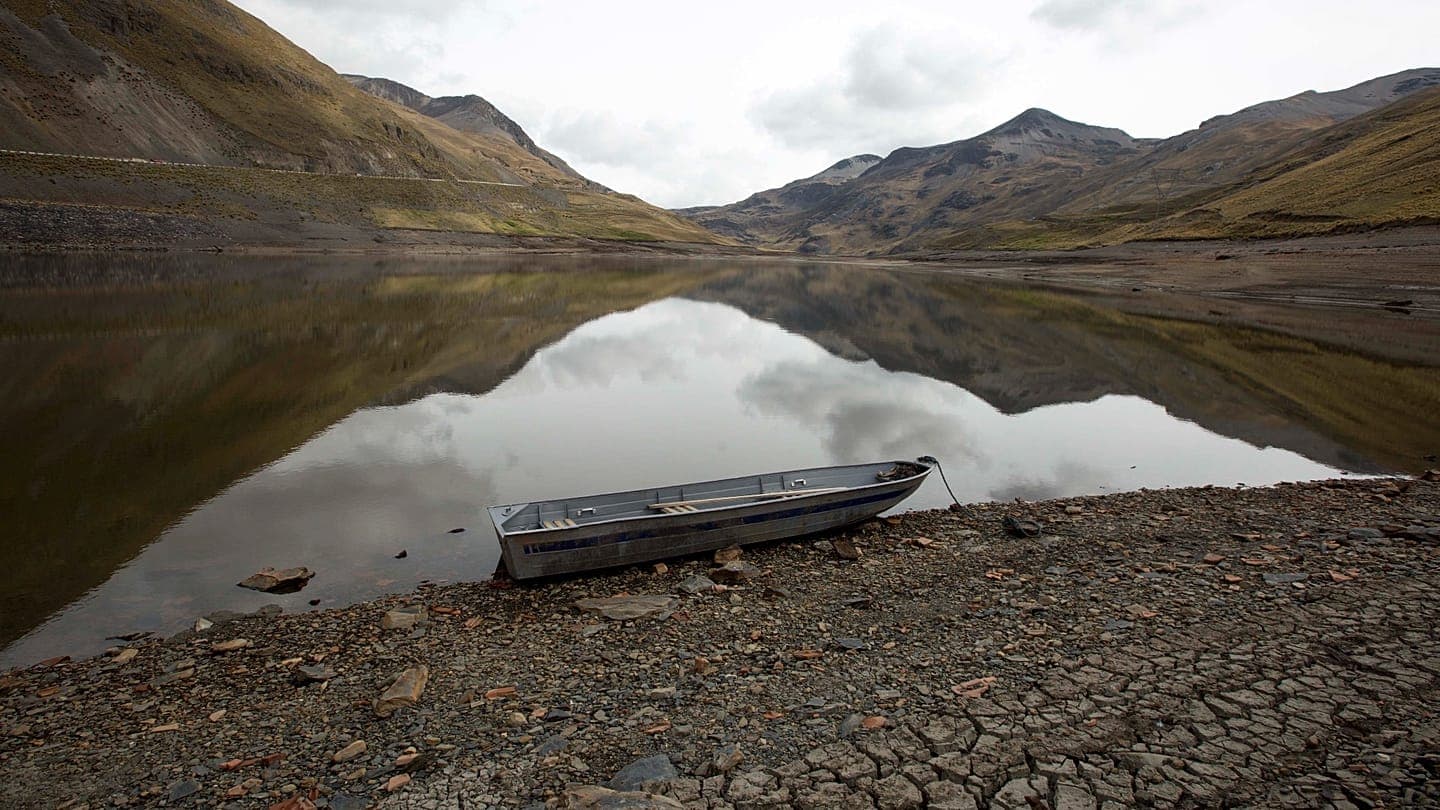
Bolivia is facing a double threat from El Niño — drought and flooding at the same time. President Rodrigo Paz declared a state of emergency on October 31, in order to free up resources to respond to the consequences of the weather phenomenon. According to him, the measure will make it possible to mobilize financial and human resources, as well as to coordinate the work of national institutions with international cooperation to help the affected areas.
Scale of the damage
According to the Vice Ministry of Civil Defense, at least 78,200 families have been affected by drought in seven of the country's nine departments: La Paz, Oruro, Potosí, Cochabamba, Chuquisaca, Tarija and Santa Cruz. Sixty-three communities have declared a drought, while others are preparing for possible floods. Paz warned that the country may face a combination of extreme events — a lack of rainfall in some areas and intense rains in others — and called on government agencies and citizens to work together to limit the damage.
What the decree covers
The state of emergency decree covers risks associated with El Niño during the 2026–2027 period: droughts, floods, frosts, hail, forest fires and river overflows. Its aim is to facilitate coordinated action between levels of government and to strengthen support for the most vulnerable communities. Paz emphasized the difference from previous practice: “Unlike other years, when we waited for this blow from nature, we have decided — with international cooperation and national efforts — to pool financial and human resources to combat this phenomenon.”
Context of the phenomenon
El Niño is a natural climate phenomenon associated with the warming of waters in the equatorial Pacific Ocean, which disrupts rainfall and temperature patterns in different parts of the world. In Bolivia, it can cause both periods of drought and episodes of intense rain, with consequences for the population, agriculture and livestock farming. Earlier, Euronews, in its coverage of the phenomenon's development, described its global effects — from the closure of tourist sites and livestock starvation to the risks of droughts, energy shortages and food insecurity in other regions; Bolivia's state of emergency has become one of the concrete government responses to these risks.