The key facts
- Yemen's Presidential Leadership Council appointed new governors of the provinces of Al-Bayda and Al-Jawf
- Major General Hussein al-Aji Ali al-Awazi took over Al-Bayda, and Major General Amin Ali al-Akimi took over Al-Jawf and the province's military axis
- The appointments coincided with Operation Yemen's Dawn, launched on October 5 to retake control of the capital
New governors appointed to two contested provinces
Yemen's Presidential Leadership Council on Sunday issued two decrees appointing new governors in the provinces of Al-Bayda in the center of the country and Al-Jawf in the north — both partially controlled by the Houthis. According to the state news agency Saba, Major General Hussein al-Aji Ali al-Awazi has been appointed governor of Al-Bayda, while Major General Amin Ali al-Akimi has been named governor of Al-Jawf and commander of the province's military axis. Al-Awazi replaces the former governor of Al-Bayda, Nasser al-Sawadi, while al-Akimi, in turn, takes the place of al-Awazi, who previously led Al-Jawf.
The military and strategic significance of the provinces
The appointments come amid a complex military situation: clashes between government forces and the Houthis over strategic positions continue. According to the agency, the Houthis control most of Al-Bayda, while control of Al-Jawf is divided between the group and the government. Al-Bayda is important because of its central location and borders with eight other provinces — four northern and four southern. Al-Jawf shares a land border with Saudi Arabia and borders the Houthi-held provinces of Saada, Amran and Sanaa, as well as the government-controlled Marib and Hadramaut.
Context of the escalation
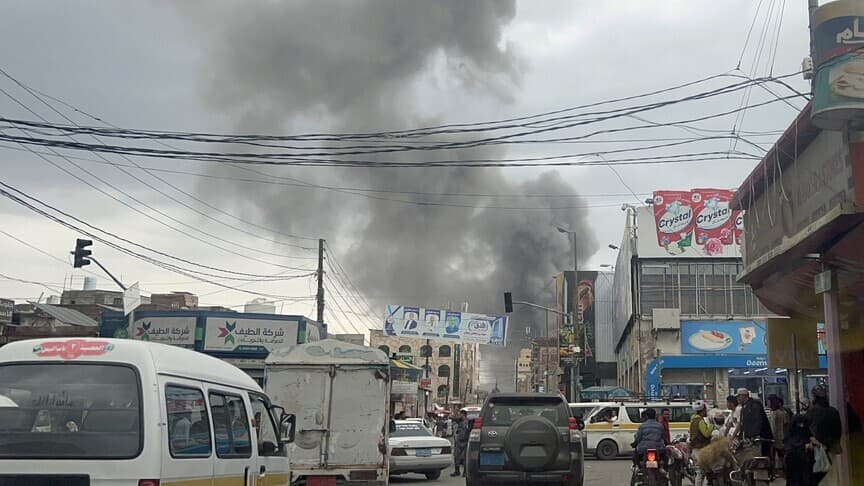
Since October 5, Yemeni government forces have been conducting the Operation Yemen's Dawn, aimed at returning state institutions from Houthi control and retaking the capital, Sanaa. The military escalation between the sides resumed in July: according to UN figures cited by the agency, thousands of people have been killed and wounded, and more than a quarter of a million have been forced to flee their homes. This has ended a period of relative calm that had lasted since April 2022, and the humanitarian crisis is worsening amid ongoing fighting and population displacement. Yemen has been at war since September 2014, when the Houthis seized Sanaa and a number of provinces, which led to the intervention of the Saudi Arabia-led coalition in March 2015 in support of the internationally recognized government.