The key facts
- Hundreds of Oleshky residents were evacuated via Belarus to the Chernihiv region on Saturday
- The humanitarian ceasefire in the Kherson region was, according to the BBC, agreed with the mediation of Melania Trump
- Up to 6,000 people remained in Oleshky and its surroundings, including 1,700 in the city itself
Evacuation after four years under siege
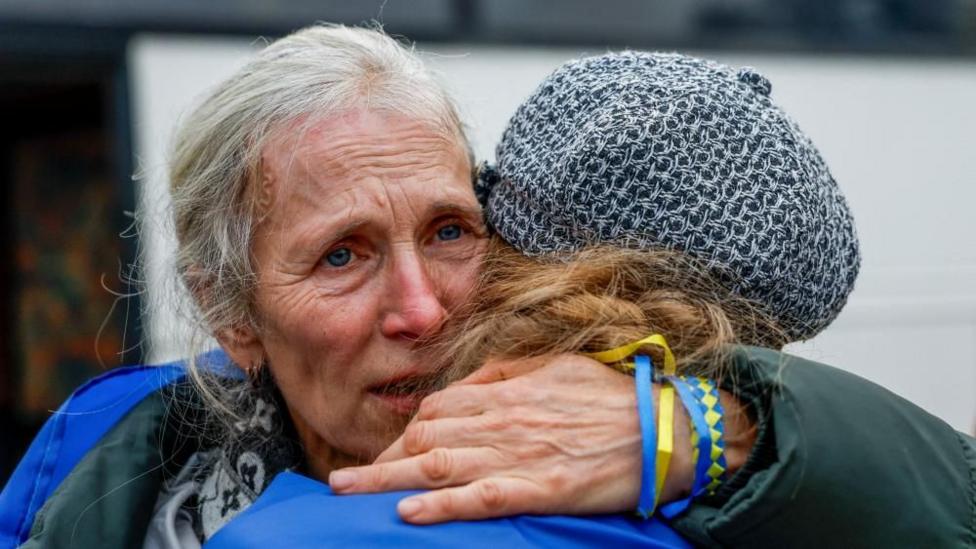
Hundreds of residents of Oleshky — a city on the left bank of the Dnipro captured by Russia in the first days of the full-scale invasion in February 2022 — arrived on Saturday in Ukraine's Chernihiv region, crossing through Belarus. This was reported by BBC News citing eyewitnesses and the evacuees themselves. Many of those arriving met their relatives for the first time in years: the daughters of Mykhailo Palii, who had believed they might never see their father again, ran to him across the airfield in tears.
Living conditions in the city
The city is squeezed between the Dnipro and Russian forces, and for a long time leaving was considered more dangerous than staying: the routes are mined and within reach of drone fire. According to an evacuee named Olha, when supplies ran out, people tried to find food by crossing minefields — 'people stepped on mines, were killed and maimed, all for the sake of survival.' Those afraid to leave their homes boiled garden weeds. Another evacuee, Palii, said an explosion had destroyed the bathroom in his house, and there were drone attacks and missile strikes that he hid from his family so as not to worry them.
How the evacuation unfolded
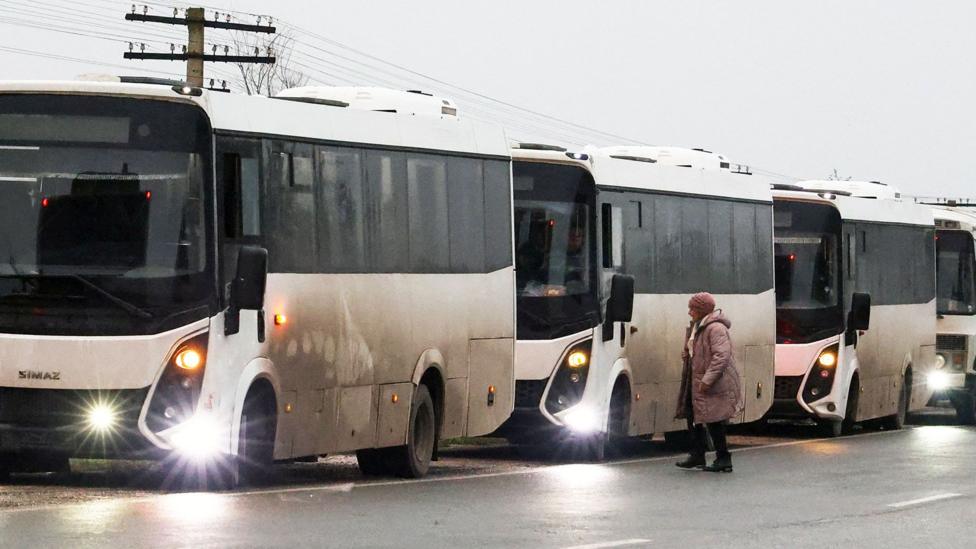
The opportunity came this week when a humanitarian ceasefire took effect in the Kherson region — according to the BBC, agreed with the mediation of US First Lady Melania Trump — giving the area several days of relative calm for the first time in four years. It is estimated that up to 6,000 people remained in Oleshky and its surroundings, including 200 children, of whom 1,700 were in the city itself. Residents were given a four-hour window to leave on Friday: for the evacuation, a column of 25 buses with a capacity of 750 people was prepared along with medical vehicles for those with limited mobility. The route went through occupied territory and southern Russia, then by plane to Belarus and by bus to Chernihiv, where some of the elderly had to be carried on stretchers.
What comes next for the evacuees
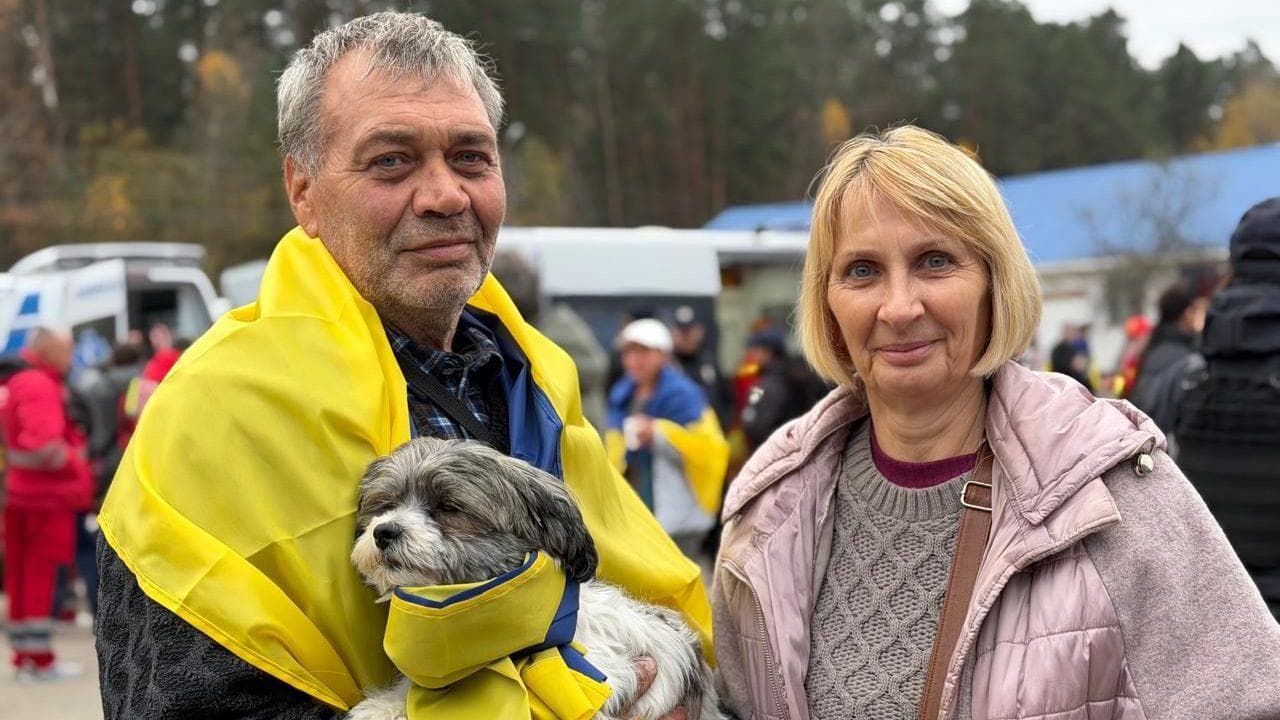
For those who have arrived, a new stage begins: finding housing and work. Palii said he is ready for any kind of work — 'digging, hoeing, planting, building, I can even do demolition.' The family of Olha and Viacheslav has no relatives in other regions of Ukraine and will stay with acquaintances for now. At the same time, the evacuees worry about those left behind: 'There are still many people living in those conditions,' Olha said. According to the BBC, Tetiana and Volodymyr, whose house burned down three years ago, did not hesitate to leave — they had no relatives left in the city.
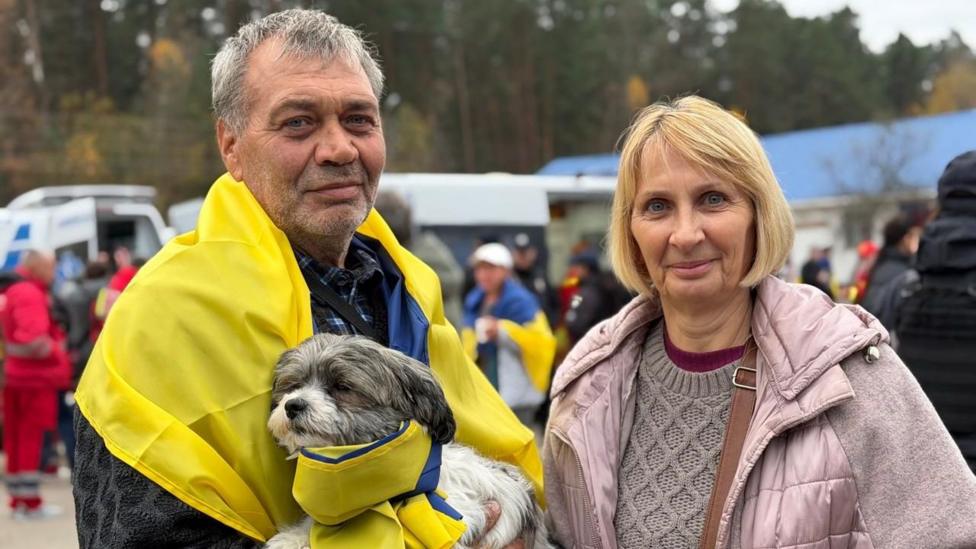
Viacheslav and his wife Olha were living in Oleshky with their children
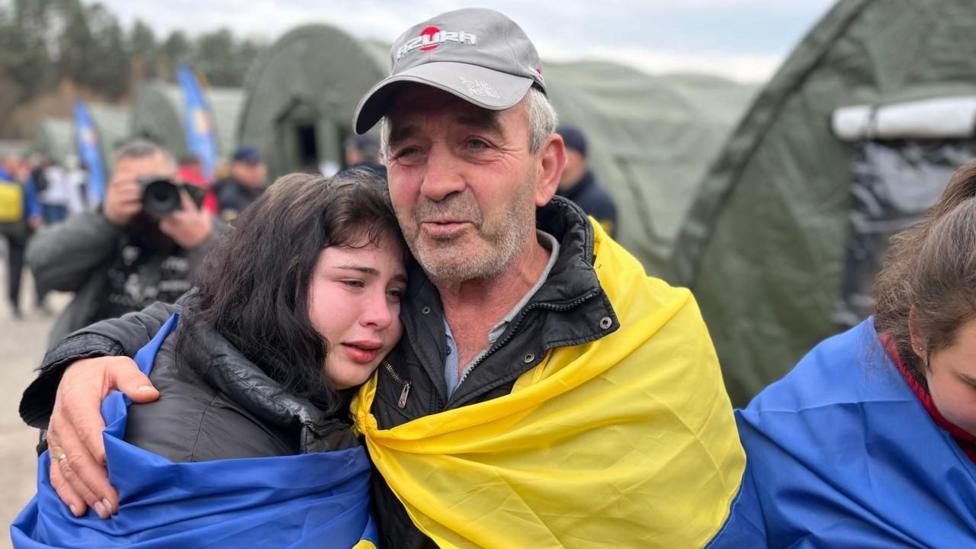
Mykhailo Palii says the situation in the city 'kept getting worse and worse'
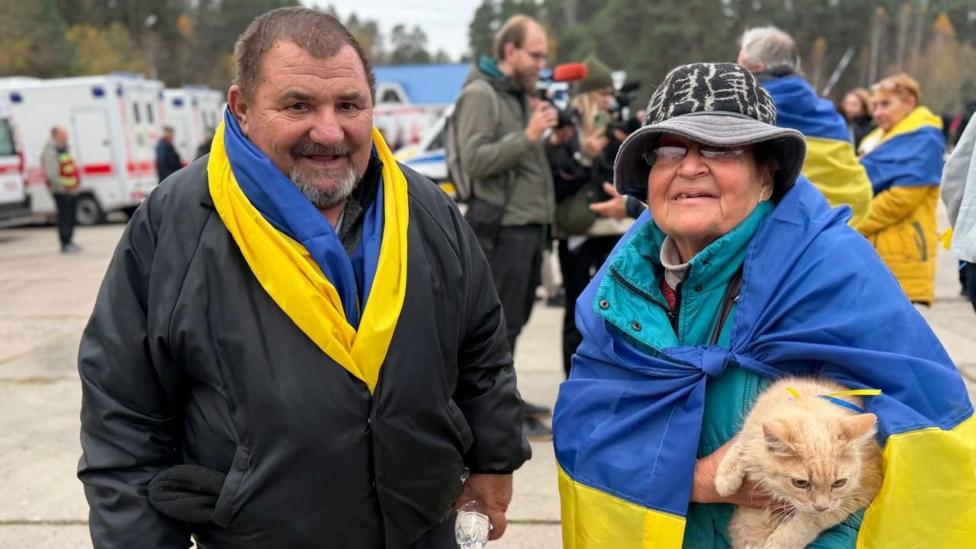
Volodymyr (L) and Tetiana (R) say they feared the journey out of Oleshky could have been disrupted