The key facts
- Police cleared the camps in Lisbon and Porto at around 4:30 a.m.; 13 people were detained, and both police officers and demonstrators were injured
- The protest targets a bill to make evictions easier and abolish the cap on rents for new contracts
- Prime Minister Montenegro ruled out withdrawing the bill but allowed for amendments before the final vote
Nighttime clearing of camps and detentions
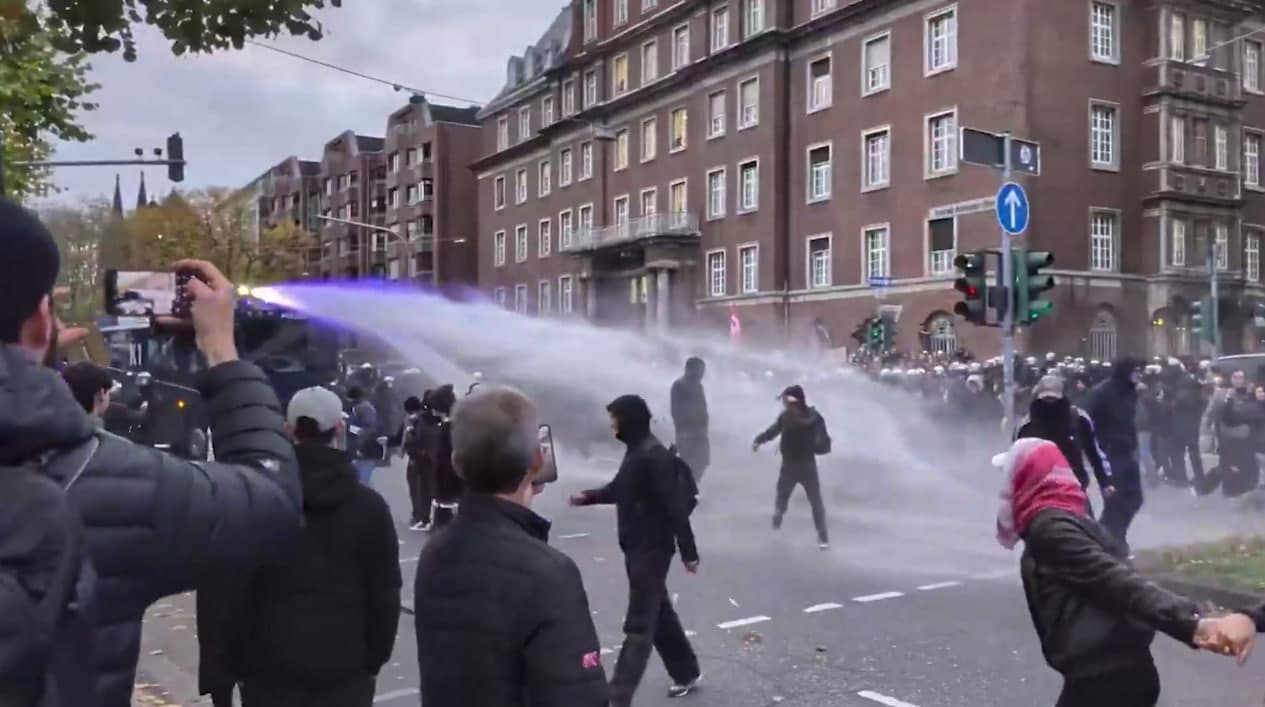
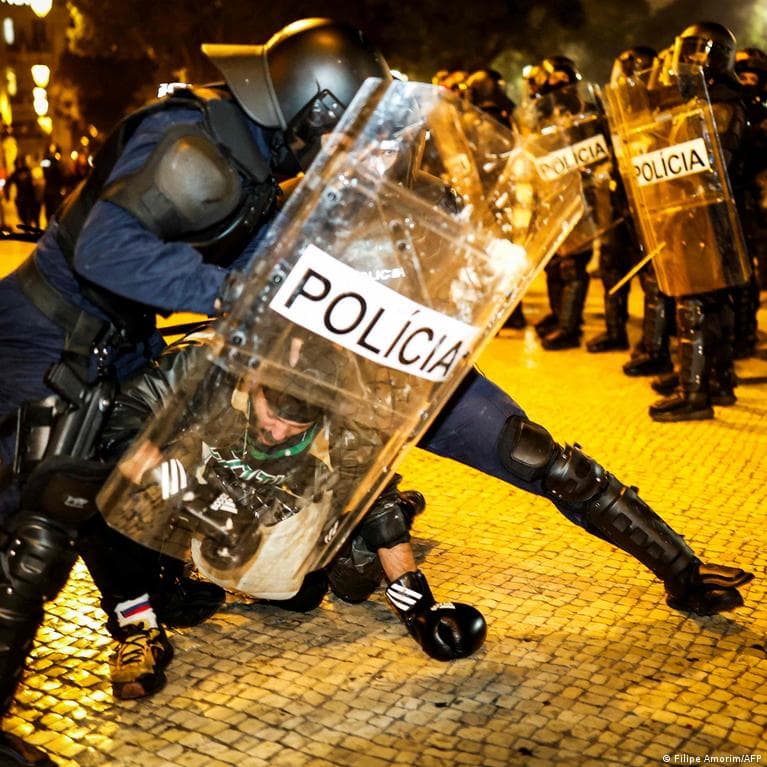
Early on Sunday morning, at around 4:30 a.m. local time, dozens of police officers with dogs cleared the tent camps on Rossio Square in Lisbon and on Dom João I Square in Porto, where participants had pitched tents the previous evening after peaceful marches against rising housing costs. According to police, six people were detained in Lisbon and seven in Porto for refusing to disperse; 13 police officers were injured, eight of them hospitalized. Police said some demonstrators threw bottles and paint at officers, and that the operation was carried out 'with strictness, balance and respect for citizens' rights'; in Porto, according to the authority, three plainclothes officers monitoring the protesters were attacked, and one of them displayed a weapon as a deterrent. This was reported by Deutsche Welle and AFP.
Differing casualty counts and activists' reaction
The parties give differing estimates of the number of injured demonstrators: police reported only an 'unspecified number' of injured civilians, while the activist group Acampada Lisboa claimed more than 30 wounded protesters, 10 of whom required hospitalization, and published photographs of people with bruises and bleeding, placing the blame on 'the police.' The group called for a new rally in the capital on Sunday against the police's actions, with the words 'We will not be silent.' A lawyer for those detained in Porto called the police actions disproportionate, while Lisbon lawyer Ricardo Sá Fernandes said he would file a criminal complaint against the interior minister and the head of the national police for abuse of power, calling the night 'a dark page in the history of Portuguese democracy.' Amnesty International had already expressed 'deep concern about the excessive and disproportionate use of force by police' after the camps were cleared a week earlier. Police reported confiscating 69 tents in Lisbon and 30 in Porto.
The essence of the conflict: the rental bill
The protesters are demanding that the centre-right minority government abandon plans to make evictions easier and to abolish the cap on rents for new contracts, warning that the measures will raise housing costs and make tenants more vulnerable. Prime Minister Luís Montenegro ruled out withdrawing the bill, but acknowledged that changes could be made to it before the final vote. According to AFP, Montenegro acknowledged that property prices have doubled over the past decade, but blames the crisis on previous left-wing governments, which, he says, failed to build enough housing and pursued an excessively lenient migration policy. Deutsche Welle notes that Portugal is experiencing one of the most severe housing crises in Europe: since 2017, housing prices have more than doubled. The camps appeared in Lisbon and Porto in recent weeks and were repeatedly cleared; the protesters, according to AFP, are inspired by a similar movement in Spain, where tents have stood in central Madrid and other cities for several weeks now. Some demonstrators carried red carnations — a symbol of the 1974 revolution that ended nearly half a century of dictatorship.