The key facts
- Exit polls predict a victory for incumbent president Iliana Yotova in the second round
- The spread between polls is significant: from 50.7% to 58.2% for Yotova
- The campaign took place amid drone attacks on ships in the Black Sea and disputes over aid to Ukraine
Exit polls point to a victory for Yotova
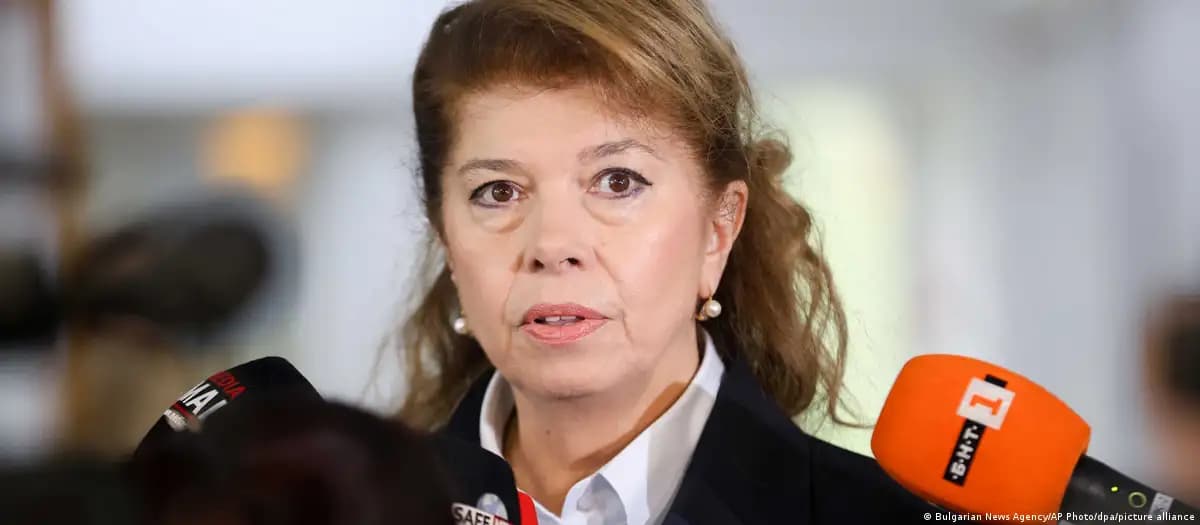
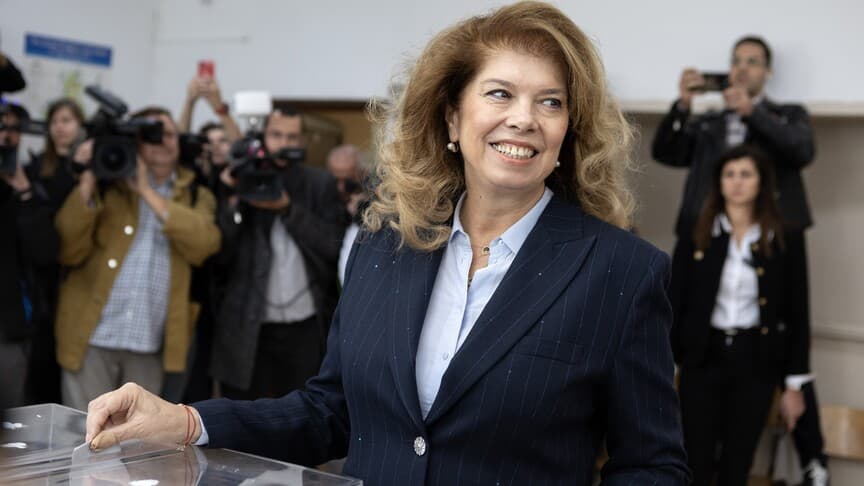
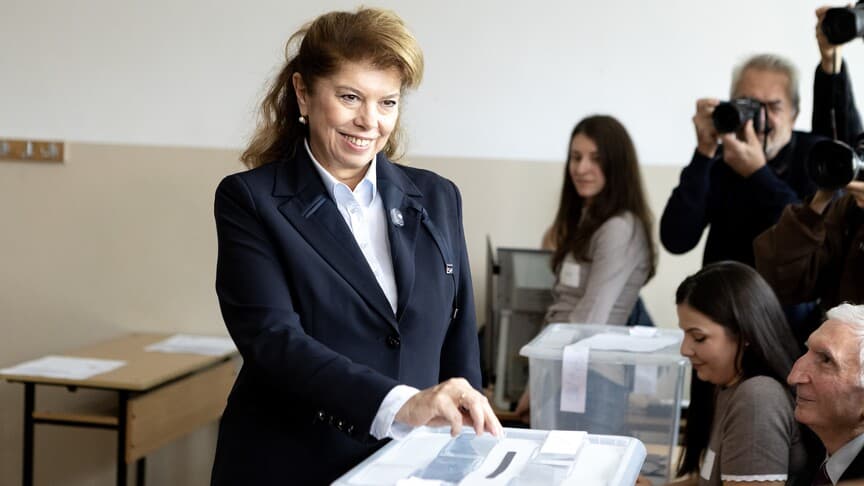
Exit polls following the second round of Bulgaria's presidential election, held on Sunday, November 1, show the incumbent president Iliana Yotova in the lead. Deutsche Welle cites a forecast of 50.7% to 52.5% of the vote for Yotova against 43.4–44% for her rival, former interim prime minister Andrey Gyurov. euronews puts Yotova's result at roughly 52% with about 45% for Gyurov. Meanwhile, later polling data cited by Anadolu shows a considerably wider gap: Trend, with its parallel count completed, gives Yotova 58.1%, and Myara 58.2%, against 38.9% and 38.6% for Gyurov respectively. Official results have not yet been announced, so the outcome remains preliminary.
Data from Bulgarian television and turnout
Bulgarian National Television, citing the Myara agency, reported at 20:00 Moscow time that Yotova and her vice-presidential candidate Kiril Valchev had 51.1% and Gyurov 44.6%; turnout at that point was 25.5%. In the first round, held on October 25, the Yotova–Valchev ticket won 34.76% and Gyurov with Georgi Kandev 31.95%, and neither ticket secured a majority, which led to the second round.
A campaign centered on the war in Ukraine
The central theme of the election was the war in Ukraine: voting took place against the backdrop of increasingly frequent drone attacks on commercial vessels in the Black Sea, including in Bulgaria's economic zone. Yotova has positioned herself as a 'president of peace,' opposes military aid to Ukraine, and has called for a 'coalition for peace' and a diplomatic settlement. According to Deutsche Welle, Gyurov accused her during the televised debates of avoiding direct criticism of Russia over the attacks in the Black Sea and said that 'Russia must end its aggression so that the next steps can be taken.' Yotova responded by arguing that 'peace can come only through negotiations,' and that continuing aid to Ukraine 'leads only to greater destruction and the deaths of many people on both sides.'
What a likely victory would mean
If the result is confirmed, Yotova will become the first elected woman head of state of Bulgaria: in January 2026 she already became the first woman in that post, taking it as acting president after the resignation of Rumen Radev, who stepped down to run in the parliamentary elections and now leads the government. Observers expect Yotova to continue Radev's line: preserving Bulgaria's European path while moving closer to Russia and advocating for the lifting of sanctions. During the campaign, Gyurov warned that a Yotova victory would leave no real counterweight at the top of power, since Radev's party Progressive Bulgaria already controls the government, having won 131 of the 240 seats in the National Assembly in the April elections. The post of president in Bulgaria is largely ceremonial, but the head of state is commander-in-chief, can block laws with a veto, and can appoint interim governments during political crises.