The key facts
- On the evening of October 31, the magnetic storm intensified from G1 to G2, which specialists called unexpected
- On the morning of October 31, magnetic storms had been excluded from the forecast for the coming two days
- Auroras with an intensity of 10 out of 10 were observed over the territory of Russia
Unexpected storm intensification
On the evening of October 31, 2026, a magnetic storm began on Earth, intensifying within just a few hours from the minimal level G1 to the moderate level G2 on the five-point scale, where G5 corresponds to extreme events. This was reported by the Laboratory of Solar Astronomy of the IKI RAN and the ISTP SB RAS, calling the course of events 'to put it mildly, unexpected'. The initial weak G1-level storm was recorded by the Institute of Applied Geophysics.
Why the forecast did not come true
The discrepancy with the forecast was significant: as early as the morning of October 31, specialists had excluded magnetic storms from their calculations for the coming two days. At that time, Earth was under the influence of a stream of solar plasma from a coronal hole, but the magnetosphere was reacting more weakly than expected. Scientists suggested that the magnetic field may have failed to withstand the prolonged impact of the solar wind — the laboratory figuratively suggested that the magnetosphere had 'grown tired' after more than a day of resisting the plasma stream. The exact duration of the storm that has begun is not specified; further fluctuations in geomagnetic activity are possible, and, according to earlier warnings from specialists, the influence of the coronal hole may persist for another two to three days.
Auroras over Russia
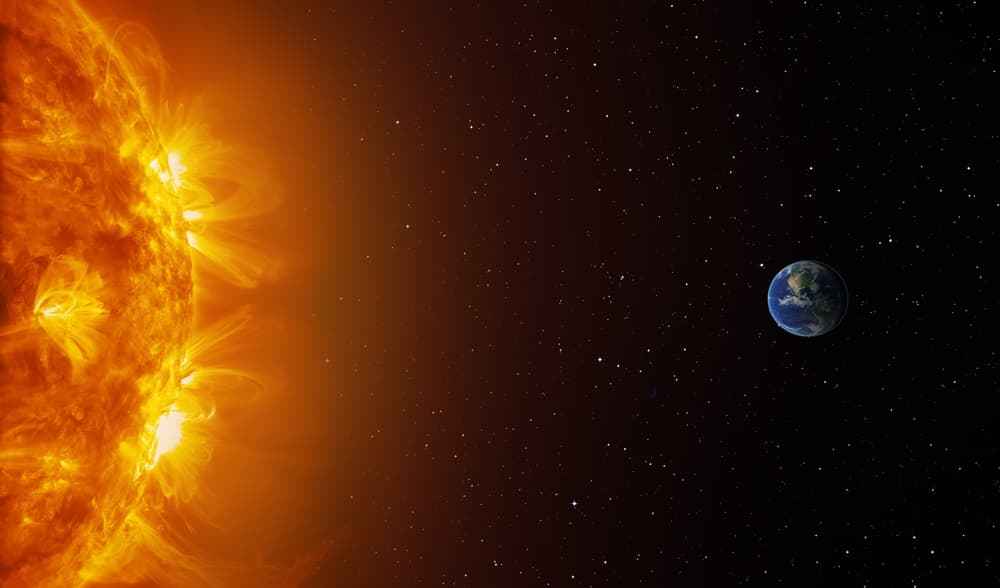
Against the backdrop of the storm, auroras appeared over the territory of Russia, which specialists rated 10 out of 10 possible points — the highest intensity category. This was reported by Life.ru, citing data from scientists. Separately, Gazeta.Ru reminds that on October 29, an eruption of a large prominence about 500,000 km long was recorded on the Sun; however, according to scientists' estimates, it flew mostly sideways relative to Earth, and of the nearby planets, only Mars is likely to be in its path — meaning this event is not directly related to the storm that has begun.