The key facts
- Bolivian President Rodrigo Paz declared a national state of emergency due to the threat of droughts and floods linked to El Niño
- The drought has affected at least 78,000 families in seven of nine departments, with more than 75,000 head of cattle lost
- The current El Niño, which formed in June, is rapidly intensifying and could become a “super” event; its peak is expected in December
State of emergency in Bolivia
Bolivian President Rodrigo Paz has declared a national state of emergency to mobilize resources and strengthen disaster response ahead of a season of severe droughts and floods linked to the El Niño phenomenon. “This will be a phenomenon with very serious consequences in terms of droughts and floods, and we need the cooperation of all institutions,” Paz said, as reported by Deutsche Welle. The presidential decree allows for the deployment of additional rescue teams and provides for coordination between national and regional authorities, the armed forces, and the police.
Scale of the damage
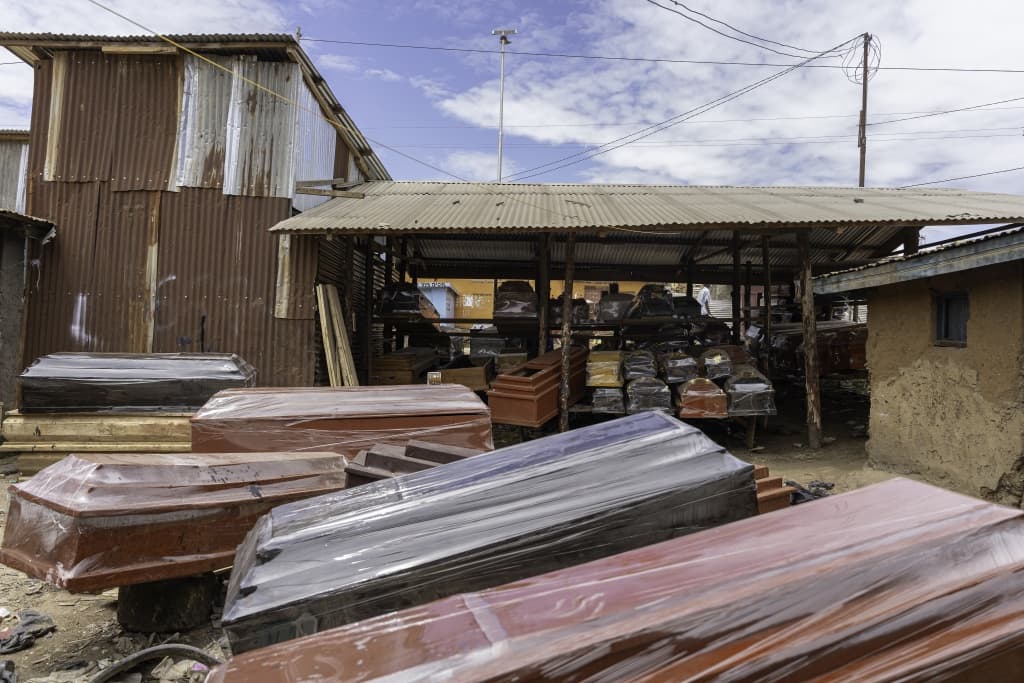
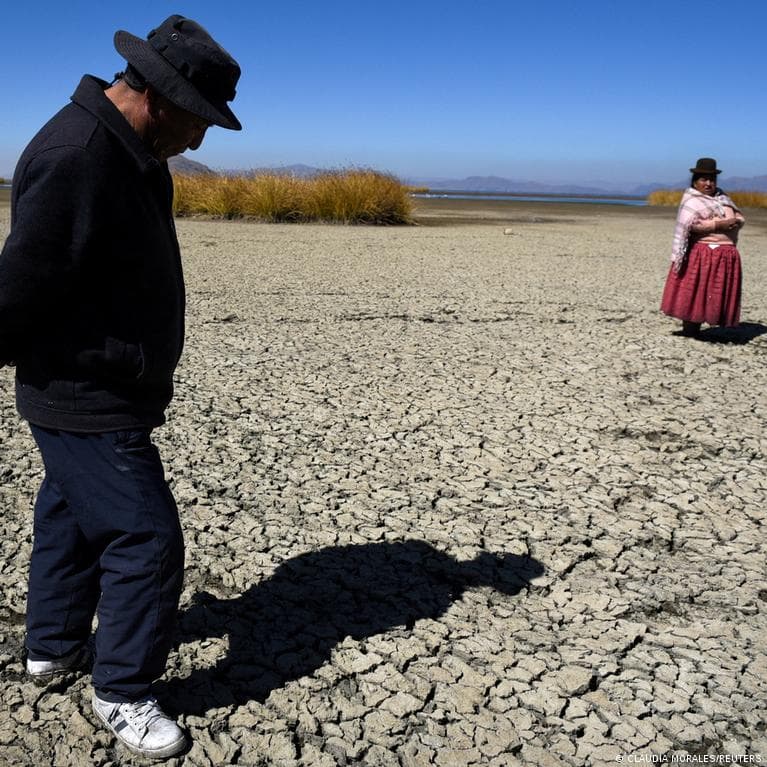
According to a Bolivian government report, the drought has already affected at least 78,000 families in seven of the country's nine departments and killed more than 75,000 head of cattle. Authorities are also warning of possible floods, flash floods, and landslides with the onset of the rainy season — meaning the state of emergency is being declared against the backdrop of damage already recorded and, at the same time, as a preventive measure ahead of the rainy season.
What is known about the current El Niño
El Niño is a periodic warming of sea surface temperatures in the equatorial Pacific Ocean that disrupts global weather patterns, bringing drought to some regions and torrential rains to others. The current event formed in June and has been rapidly intensifying since then; according to forecasts, it could become exceptionally strong — a so-called “super” El Niño. The UN has described it as “off all the charts”: its peak is expected in December, its effects could persist for years, and the organization has called on Pacific countries to prepare for the worst.
Global context
Researchers estimate that the abnormally high temperatures associated with the current El Niño could cause about 451,000 excess deaths worldwide from June 2026 to February 2027. In just the past month, weather anomalies associated with El Niño have been linked to forest and steppe fires in Indonesia, the intensified Typhoon Champi in Taiwan, Hurricane Isaias on the US Gulf Coast, as well as water and power shortages in India following a weak monsoon. In Africa, the phenomenon is manifesting as floods in Kenya and the risk of drought in South Africa. It should be noted separately: all of this information and these assessments come from Deutsche Welle and the studies it cites; no independent comparison with other outlets is available in the materials at hand.