The key facts
- Sales of canned food, radios and torches in the UK rose after government recommendations on stockpiling
- Sales of canned food, radios and torches in the UK rose after government recommendations to stockpile supplies
- In Sweden and Japan, crisis-preparedness brochures are distributed or published at state level
- In the Netherlands, at the end of 2025 the authorities urged households to keep supplies for 72 hours — as recently in the UK
- In the Netherlands, at the end of 2025 the authorities called on households to keep supplies for 72 hours — as recently in the UK
A British novelty — a familiar practice in other countries
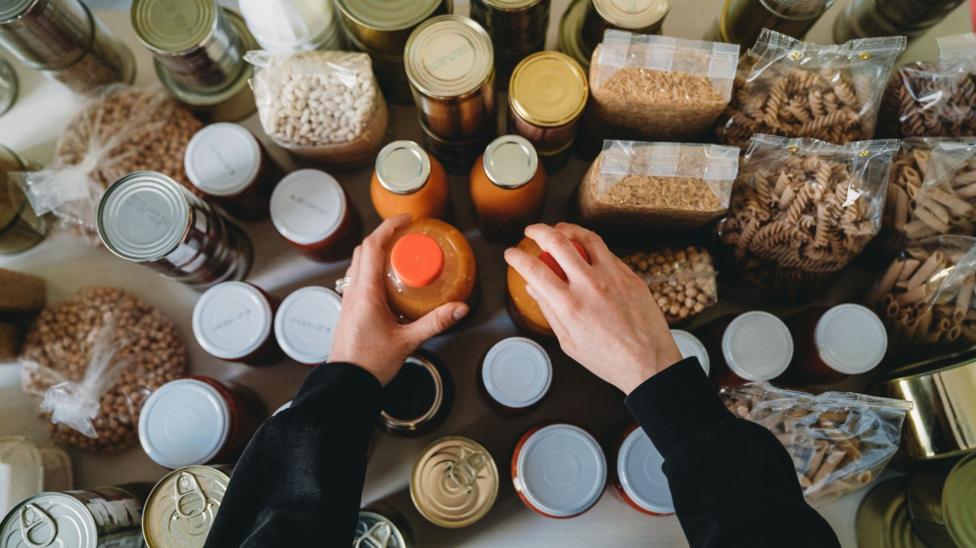
Sales of canned food, radios and torches have risen in some shops after the UK government recommended that households keep supplies in case of a national emergency, BBC News reports. For Britons, a 'personal crisis kit' is a new phenomenon, but in many countries around the world regular emergency-preparedness advice has long been the norm: states facing extreme weather, natural disasters and a tense geopolitical situation publish relevant guidance, and sometimes send brochures straight to people's homes.
Sweden: the brochure 'in case of crisis or war'
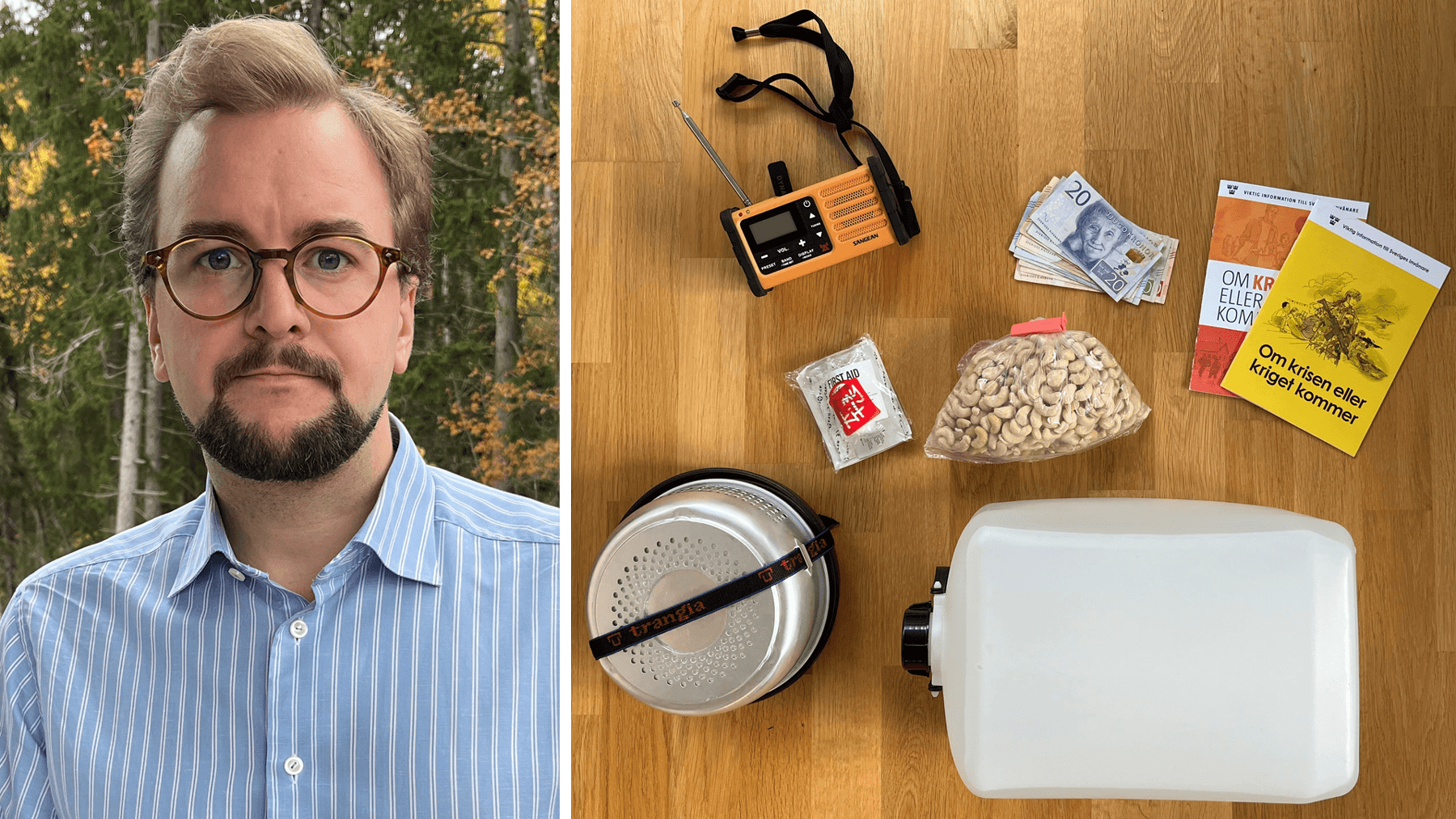
Thirty-year-old Andreas Wennerberg from Stockholm never thought about preparing for emergencies until two years ago, when a government booklet was delivered to his home — it is sent to every household in Sweden and describes what to stockpile and how to act 'in case of crisis or war'. After that, he assembled a small stockpile in his basement: a hand-crank radio, a container holding 10 litres of water and about 200 euros (£170) in cash, with some of the items he already owned. He calls the brochure a 'wake-up call', but admits he has not followed all the recommendations: 'I feel safe… I'm not that worried.'
USA: a 'rotating pantry' and 150 gallons of water
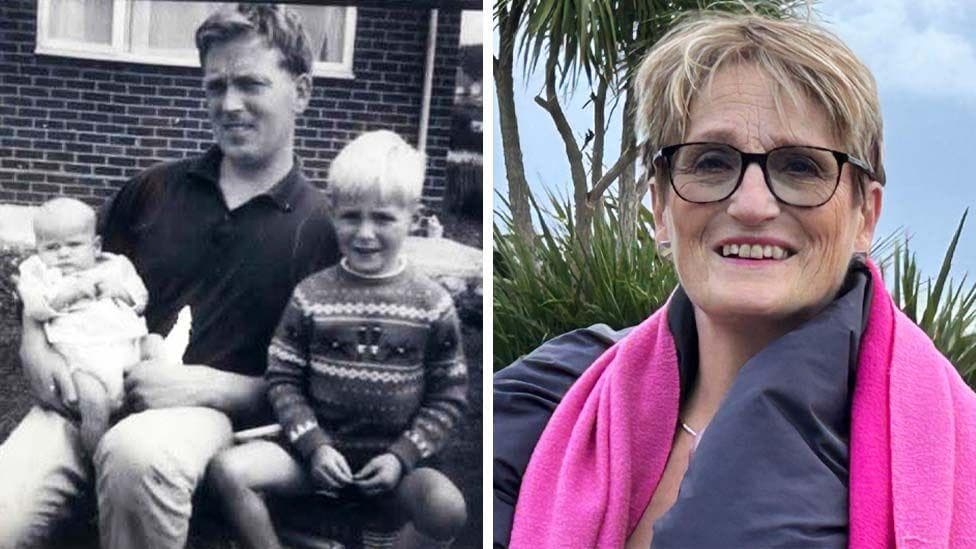
Dan S., a physiotherapist from Maryland, began building up supplies after his children were born and spent about $6,000 (£4,470) on it. A few years ago, his home was left without electricity for two days during a 'very cold' February, and he discovered 'a lot of gaps' in his preparedness. He now has 150 gallons of water, large soft containers that can be filled in the bathtub, chlorine dioxide tablets for disinfecting water from rivers and streams, and a 'rotating pantry' of long-lasting foods — oats, quinoa, peanut butter — which the family regularly uses and replenishes so the food does not spoil. For his family of four, he has about three months' worth of food, plus solar panels, a camping stove, a tent, firewood, a propane fireplace insert that works without electricity, and extensive medical supplies, including bleeding-control kits. In the USA, the Federal Emergency Management Agency (FEMA) recommends assembling an emergency kit, drawing up a family action plan and knowing how to respond to different incidents. 'There is a tendency to catastrophise,' says Dan, 'but for me this is a homeowner's responsibility.'
Japan: an annual check of the kit
Ayumi T., a 27-year-old university employee from Tokyo, has kept an emergency bag for earthquakes, typhoons and extreme heat for years, but after the 2024 earthquake on the Noto Peninsula, which claimed hundreds of lives, she stocked up even more. In her rucksack in the cupboard are clothes, towels, menstrual hygiene products, disposable cutlery, stickers, masks and a tourist-style portable toilet. The Tokyo government publishes a 68-page disaster-prevention manual with a list of the contents of an emergency kit. Every new year, the family checks the kits and updates them, replacing expired products.
Netherlands: 72 hours of supplies and scepticism about three days
Michael Stoot lives in Hoorn, below sea level, and worries both about extreme weather and about a possible war. His supplies include electrical equipment, food, a Starlink Mini satellite terminal for internet access, about 120 litres of water, cash, a first-aid kit and a generator, stored in the attic and under the floor; earlier this year he created an app to track the expiry dates of his stockpile. At the end of 2025, the Dutch authorities launched a campaign urging people to keep supplies for 72 hours — as the British authorities recently did. Michael is sceptical about the three-day recommendation, but notes: 'Every household with a basic stockpile at home makes it easier for emergency services to help those who need it most.'
The context of the British recommendations
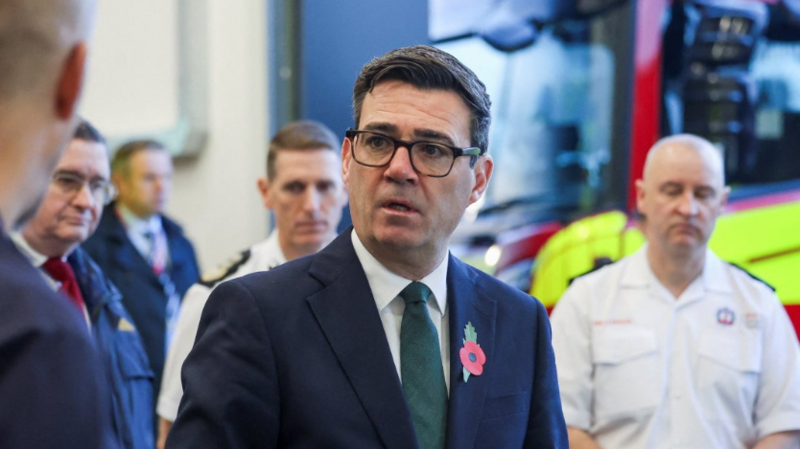
Alongside the main piece, the BBC published separate explainers: an article on why to build up supplies and what exactly you will need, as well as a report that the Mayor of Greater Manchester, Andy Burnham, suggested stocking up on canned food and bottled water. For British readers, the experience of other countries shows that government recommendations on household supplies are an established practice in countries with regular natural disasters, not a sign of an impending catastrophe: the people featured in the articles themselves describe their preparation not as panic but as everyday responsibility.
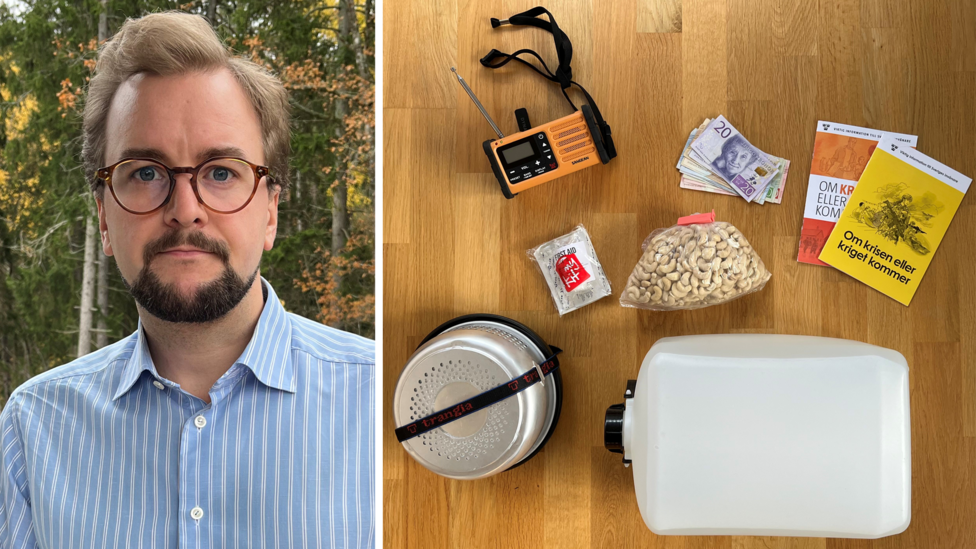 Image source, Andreas Wennerberg
Andreas from Sweden was spurred into action after government advice was posted through his door
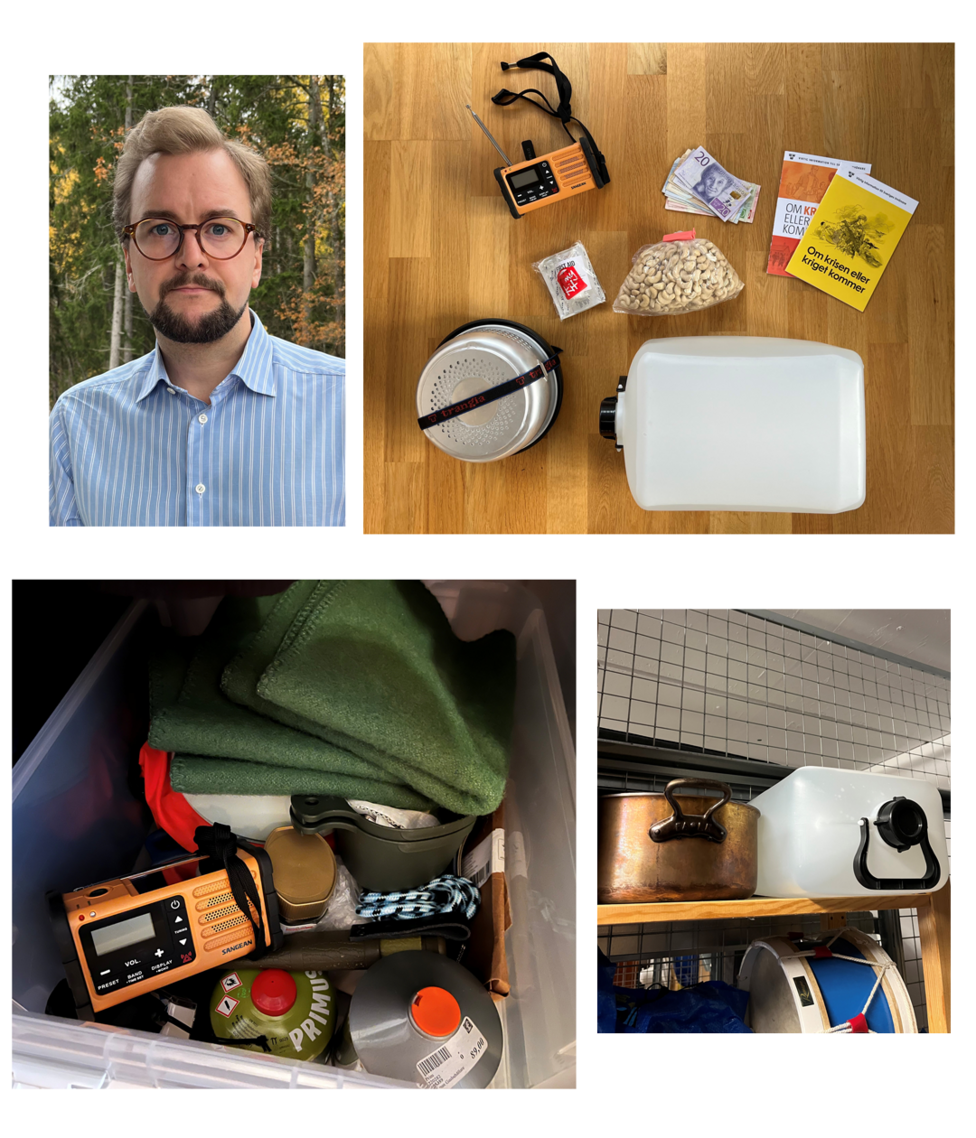 Image source, Andreas Wennerberg
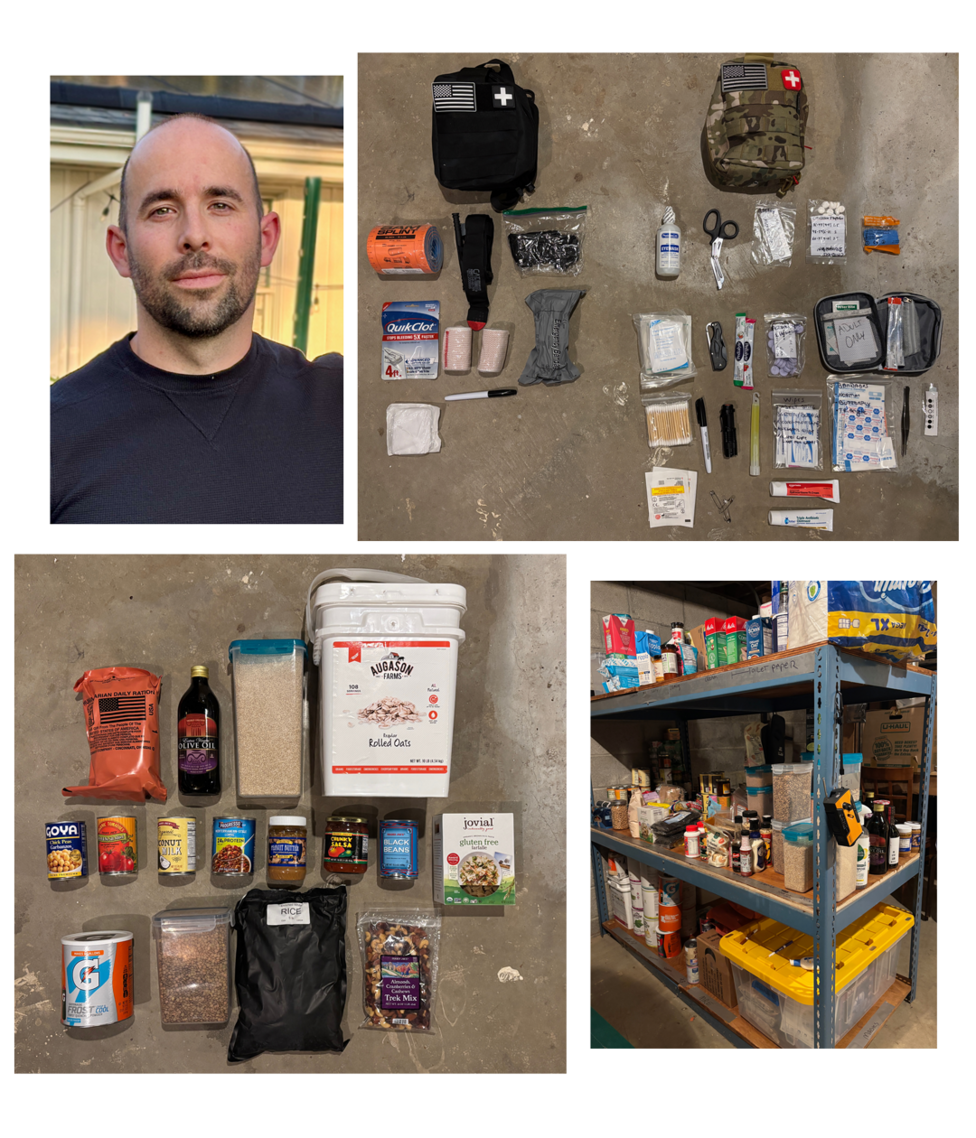 Image source, Dan C
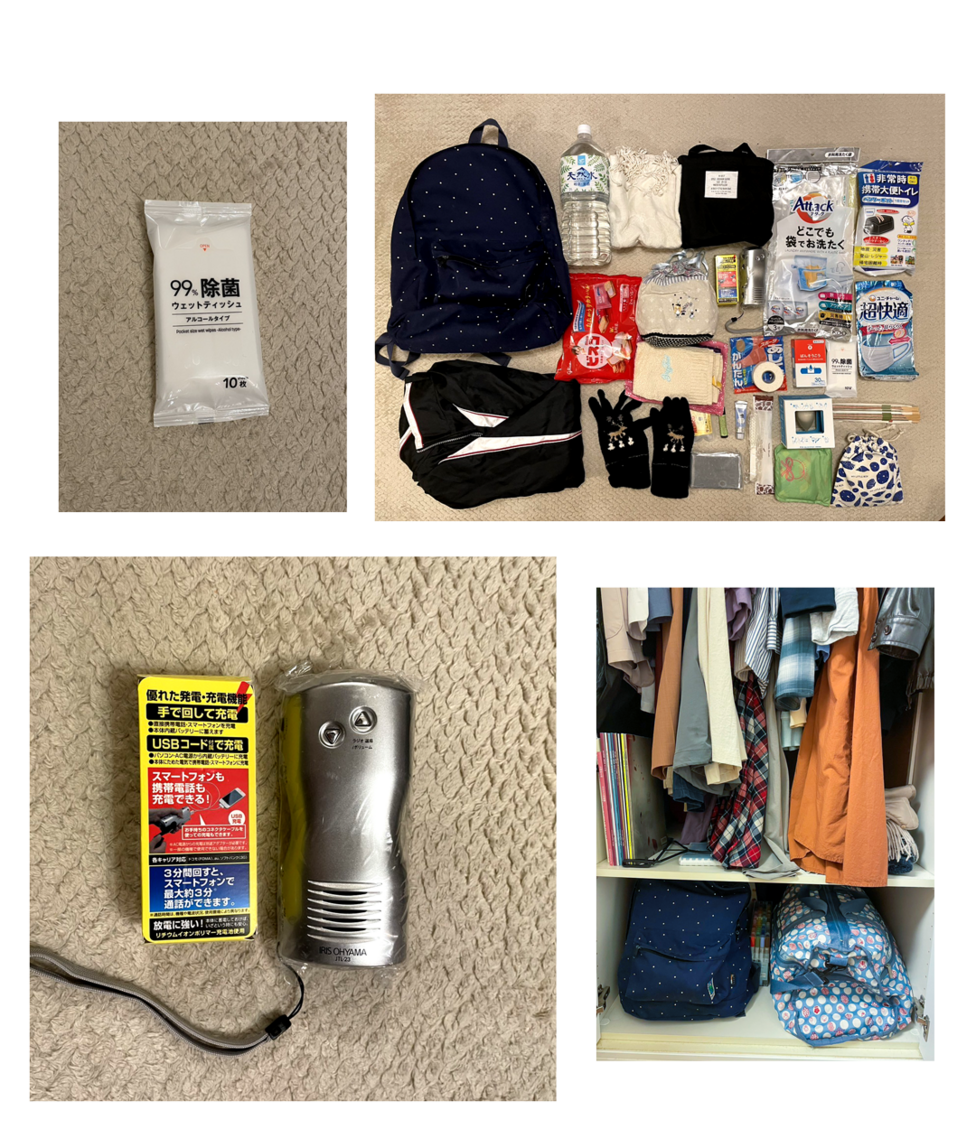 Image source, Ayumi T
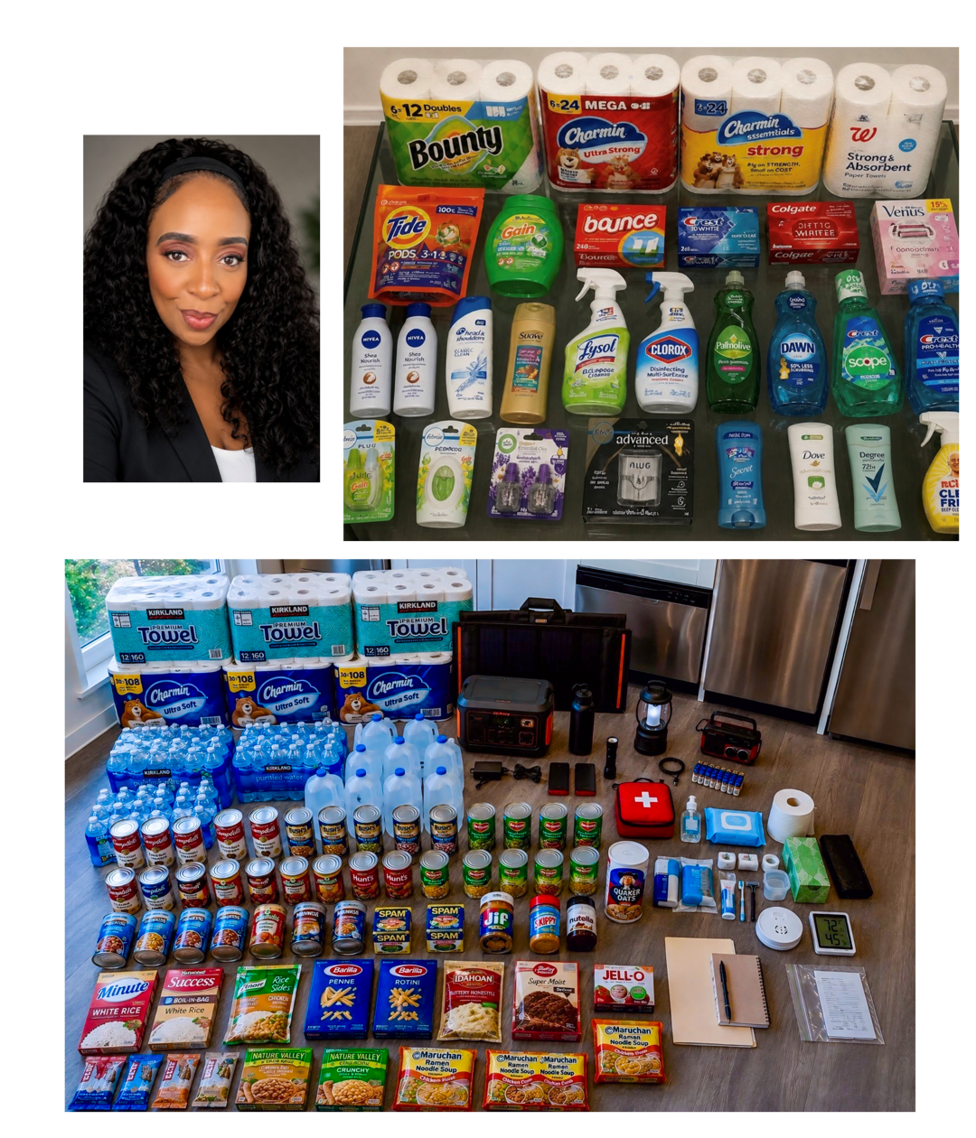 Image source, Nicole Bonds
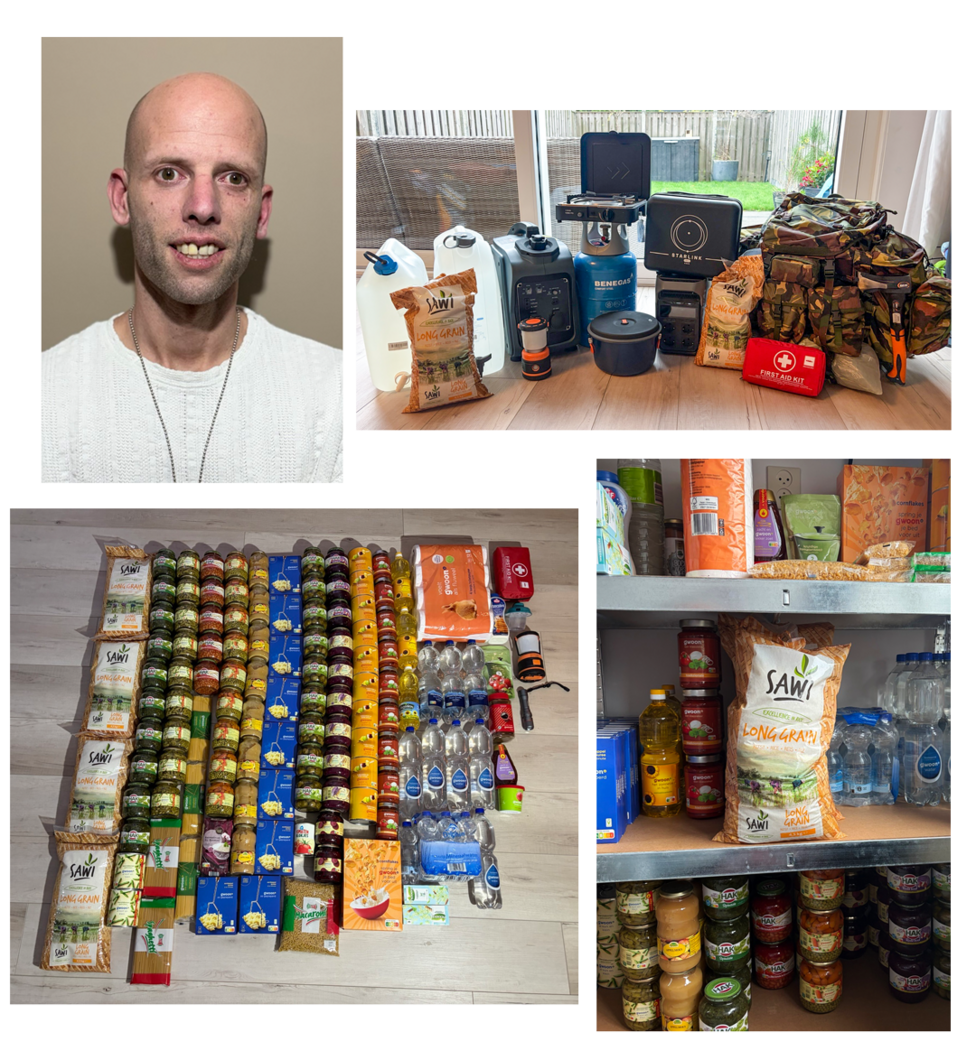 Image source, Michael Stuut