The key facts
- In Madagascar in August–September, together with the US Department of Justice, 13 scam centers were shut down and 148 Chinese nationals were extradited to China
- About $52 million in cryptocurrency was seized in a single day, and more than 3,200 electronic devices were processed
- Sources link the relocation to the dismantling of scam centers in Cambodia in 2025
Raids and the scale of the operations
Raids against online scam centers in Madagascar uncovered links to a criminal group that had previously run similar schemes in Cambodia, authorities told the AFP news agency. According to Madagascar's Ministry of Justice, in August and September, together with the United States Department of Justice (DOJ), 13 Chinese scam compounds engaged in romance, cryptocurrency and investment fraud were dismantled, and 148 Chinese nationals were extradited to the People's Republic of China. The DOJ said that in a single day about $52 million worth of cryptocurrency was seized and more than 3,200 electronic devices were processed.
Recruitment victims and a prison escape
As in operations in Southeast Asia, the centers in Madagascar, according to authorities, lured Africans through social media with promises of salaries. Around 20 citizens of Kenya, Rwanda, Uganda and Zimbabwe were in custody. Hassan Muinyi, head of the police anti-crime unit, told AFP that, according to their statements, they had been recruited via Facebook supposedly for work in the commercial sector, but upon arrival most had their passports confiscated and were forced to commit fraud: 'They became victims of deception.' At the same time, according to officials, several Africans remained in custody even though initial data indicated they might have been victims of human trafficking. Separately, AFP mentions an August scandal: 11 arrested Chinese nationals inexplicably walked free from a Madagascan prison — reportedly with the involvement of the head of the prison service.
Relocation from Cambodia
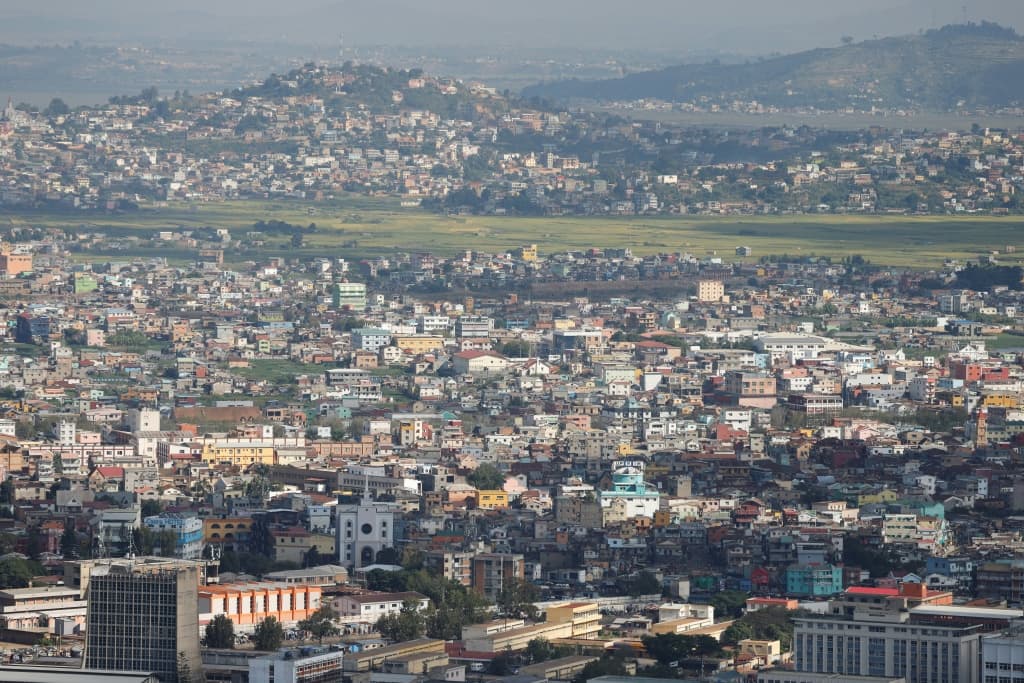
Several sources confirm the Cambodia connection. Tsitohaina Ralivao, coordinator of the cybercrime unit at Madagascar's Ministry of Communication, drew a parallel with the dismantling of scam compounds in Cambodia near the Thai border in 2025: 'When the Thais shut them down, they simply moved their operations. The same organizations came to Madagascar.' An FBI court document published by the DOJ cites the testimony of three Brazilians who worked in a compound in Antananarivo: they responded to job postings online, ended up in a compound in Cambodia, and in early May 2026, because of the armed conflict between Cambodia and Thailand and police activity, they were transferred to Antananarivo. According to the DOJ, the criminal group of Malaysian Chui Kok Wa, accused of running a romance fraud scheme, opened compounds in Madagascar in early 2025, likely relocating operations from Cambodia after law enforcement action. The FBI notes that cyber scam centers are increasingly opening in Africa following the closure of such compounds in Southeast Asia.
Who was targeted and what it looked like
The United States joined the operations because the centers 'primarily targeted English-speaking countries,' including the US, Canada and Pakistan, Muinyi said; Ralivao added that this was why people from English-speaking African countries were needed. The arrival of the scam centers was noticeable in the capital: 'Before, they occupied villas that were fairly inconspicuous. We were alarmed when they began renting out entire hotels,' Muinyi said. The suspected head of one compound, housed in the Live hotel, was a Chinese national extradited to Beijing; like all 'Chinese identified as leaders,' he could not be questioned by the FBI, court documents say. The UN Office on Drugs and Crime had warned a year earlier about the expansion of these networks, in particular into Southern Africa.