The key facts
- Peskov said there are as yet no agreements on ombudsmen's visits to prisoners
- The visit of Ukrainian commissioner Lubinets to Russia was called a precedent
- According to Lantratova, the humanitarian mission in Alyoshki passed without incidents
Talks on the visits have not begun
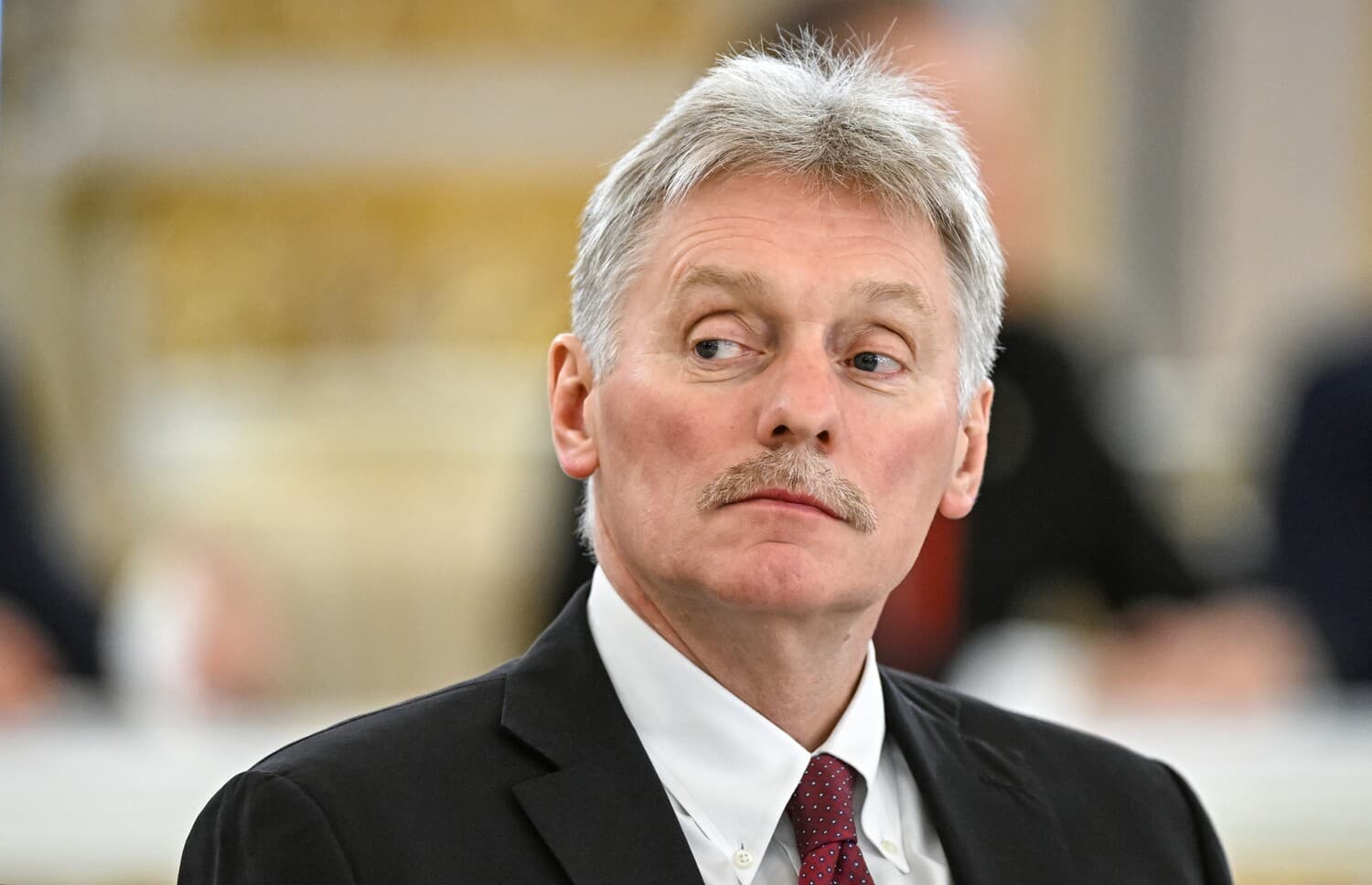
There are as yet no agreements on visits by the human rights commissioners of Russia and Ukraine to their compatriots held in custody on the territories of both countries. This was told to Vedomosti by the press secretary of the Russian president, Dmitry Peskov. According to him, if such a question is raised, the parties must first agree on a plan, after which each visit will require approval by the competent services — a process he described as multi-stage.
A precedent has already been set
At the same time, Peskov emphasized that the Ukrainian commissioner Dmitry Lubinets came to Russia for the first time as part of the humanitarian mission in Alyoshki precisely in his capacity as commissioner, which means that 'a precedent exists.' Thus, what is at stake is not a concluded agreement, but a foundation created by practice, on which such visits could theoretically be built.
Context of the mission in Alyoshki
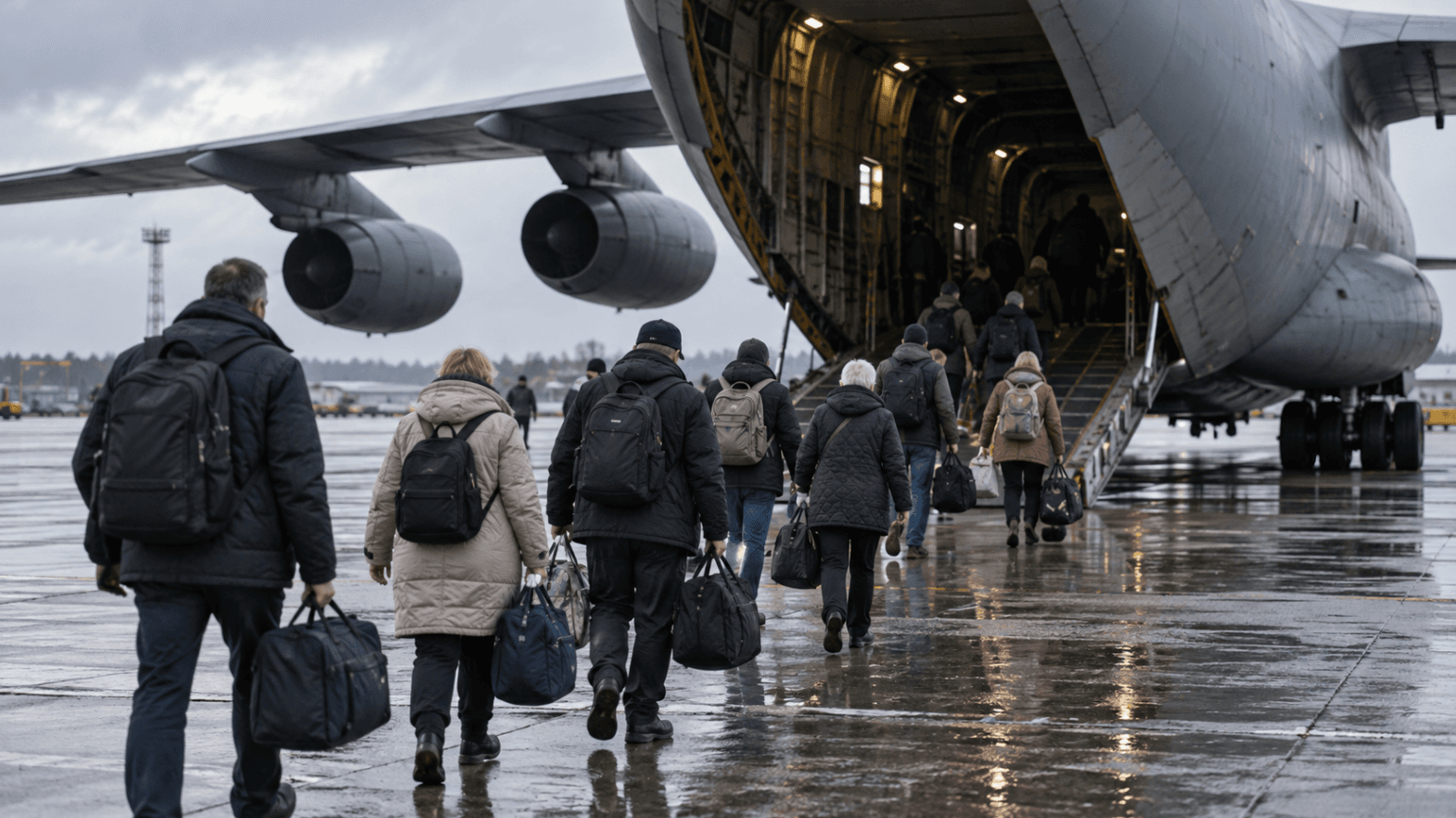
On October 27, in connection with the humanitarian mission in the town of Alyoshki in the Kherson region, a silence regime came into effect. Residents were delivered food, medicines, water and fuel for generators, and those wishing to leave the town were given a choice of destination — Russia or Ukraine. On October 30, the human rights commissioner in Russia, Yana Lantratova, reportedthat the mission had passed without incidents; earlier, the Ukrainian ombudsman assessed the work of her team in Alyoshki.