The key facts
- The memorial mass at the Church of San Juan Bautista brought together residents of Urda and officials, including the head of the Castile-La Mancha region
- The October 28 crash claimed the lives of at least 69 people — one of the deadliest rail disasters in Europe this century
- Autopsies of all 69 victims have been completed, 36 have been identified; relatives are providing DNA samples for identification
Mass in Urda
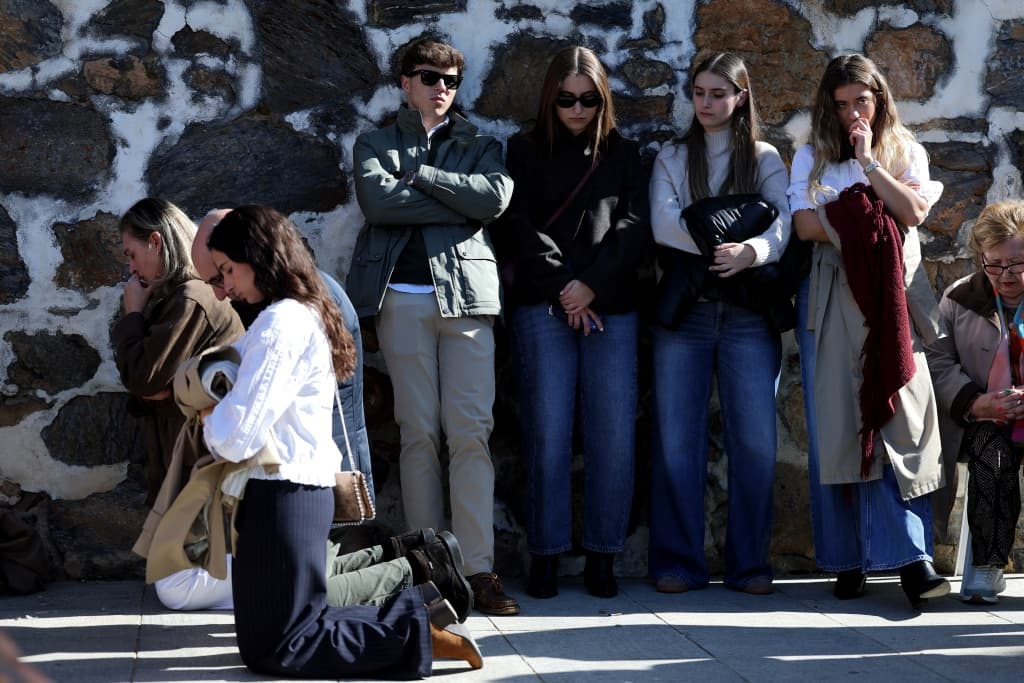
On Saturday, residents and local officials gathered at the Church of San Juan Bautista in the town of Urda (Toledo province) for a memorial mass in memory of the victims of the high-speed train collision that occurred on Wednesday, October 28. The news was reported by AFP. The pews of the church were full, dozens of people listened to the service from outside; some were crying.
Course of the investigation and identification
The crash occurred when a train traveling from Madrid to Seville slammed into a stationary train. According to AFP, it is one of the deadliest rail disasters in Europe this century; investigators are working to determine its causes. The authorities overseeing the process have completed autopsies of all 69 victims, and 36 of them have been identified. Relatives are providing DNA samples for identification of the bodies and are waiting for news, while rescuers continue to clear the wreckage and forensic experts work with the remains.
The archbishop's words and the authorities' response
Archbishop of Toledo Francisco Cerro called the days following the disaster 'Good Friday for all of us' and acknowledged that 'there are no words that could comfort' those who lost loved ones. He addressed the families of the victims: 'Dear families affected by the rail disaster, you are not alone. Society is with you, the best of society,' urging that the tragedy not be forgotten and calling for such disasters never to happen again. The archbishop also thanked medical workers, firefighters, police and rescuers, noting, in his words, 'a true wave of solidarity.' Attending the service were the president of the Castile-La Mancha region, Emiliano García-Page, and the mayor of Urda, Manuel Galán. On the eve of the mass, Galán told Spanish public television that the residents of Urda, a town of about 2,500 people, 'are taking what happened very hard, feel deep pain and are in great need of support.'