The key facts
- Mass deployment of driverless taxis depends on the adoption of the HAV law
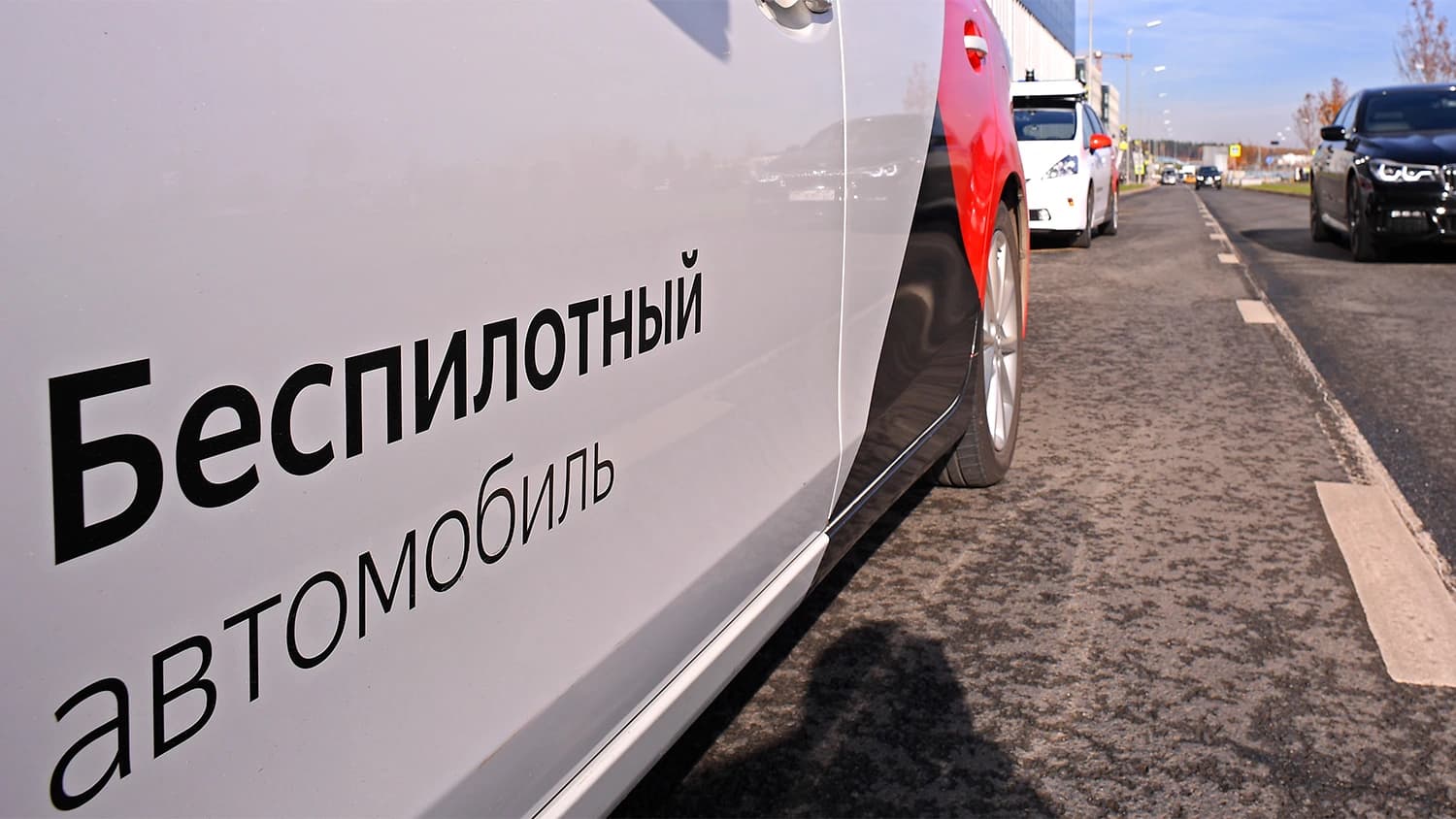
- Testing is underway in Moscow, Innopolis and Sirius in a limited regime
- Yandex plans about 200 autonomous vehicles in Moscow by the end of 2026
The law as a condition for scaling up
Mass use of driverless taxis in Russia will become possible only after the adoption of a law on highly automated vehicles (HAVs). TASS was told this by Polina Davydova, director of the Digital Transport and Logistics association. According to her, until then only limited trials are possible: driverless taxis are being tested in Moscow, Innopolis and the federal territory of Sirius under an experimental legal regime, and it is too early to talk about mass commercial use.
Who is testing driverless vehicles and where
According to Yandex's plans, about 200 autonomous vehicles are expected to be launched in Moscow by the end of 2026, half of which will be available for passengers to order. The main participants in the trials are Yandex and NVision (Navio), but there are as yet no serial manufacturers ready to ensure mass production specifically of driverless taxis — the market is still in its formative stage. Davydova stressed that a full commercial launch requires not only legislation but also automakers' readiness to produce such vehicles. Thus, even if the HAV law is adopted, scaling up runs into a second factor — the absence of serial production, which, according to the association's assessment, does not currently exist.