The key facts
- Wadephul called joint photographs “inevitable” and part of diplomacy
- He stressed that there is no normalization of German-Russian relations
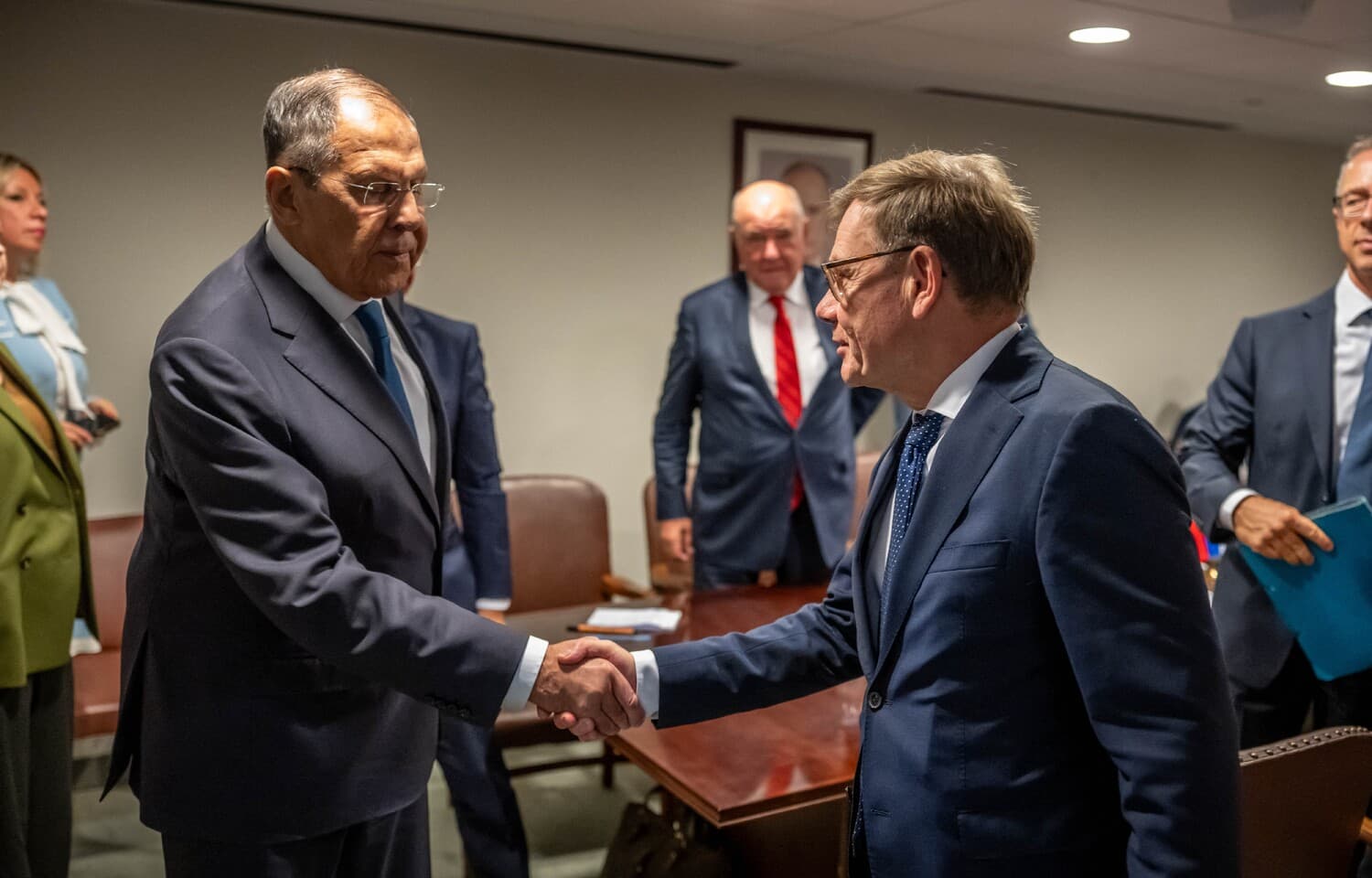
- In September the ministers already met in New York: the German side requested the talks, and the conversation lasted more than 20 minutes
Wadephul on photos with Lavrov at the G20
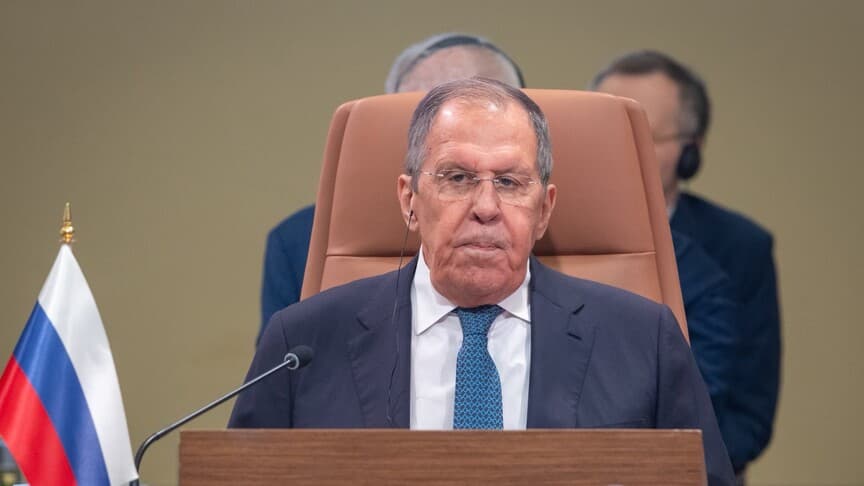
German Foreign Minister Johann Wadephul will not refuse to take joint photographs with Russian Foreign Minister Sergey Lavrov at the upcoming meeting of G20 foreign ministers. This was reported by the German newspaper Bild. “Joint photographs are inevitable. What matters is what we discuss with each other. That is the essence of diplomacy — we devote ourselves to this work, even when it is difficult,” the newspaper quoted the minister as saying.
A caveat about the state of relations
At the same time, Wadephul stressed that “there is no normalization of relations between Germany and Russia”because, in his words, Moscow continues to attack Ukraine and “threaten Europe’s security.” He added that he would use every opportunity “to make clear to Russia” that it must abandon the continuation of the Ukrainian conflict. Thus, the minister pairs his readiness for contacts and joint photos with harsh rhetoric: in his framing, the meeting itself is not a rapprochement but a platform for conveying a position.
Background: the September meeting in New York
This is not the first contact between the two ministers: in September, Wadephul and Lavrov met in New York on the sidelines of the UN General Assembly. According to Gazeta.Ru, the German side requested the talks, and the conversation lasted more than 20 minutes. After the meeting, Wadephul called it “not easy” but useful, and on October 1 he stated that he does not rule out new talks with Russia, although “a constructive approach must be evident from the Russian side.” He had also previously asserted that Russia wants to restore the Soviet Union. The statement of readiness for photos at the G20 summit shows that Berlin is maintaining the format of diplomatic contact while not acknowledging any warming in bilateral relations.