The key facts
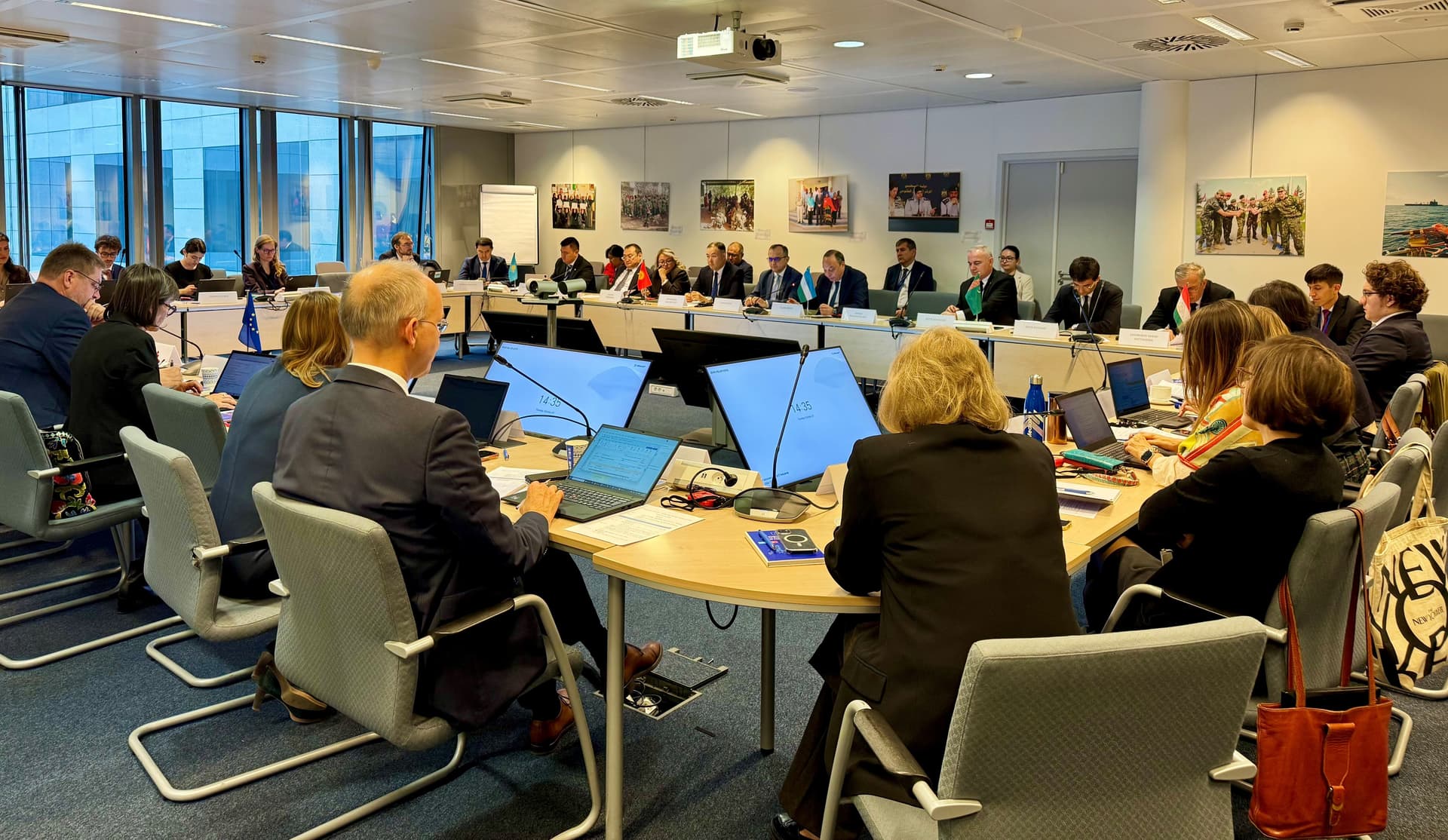
- The forum was held on 27–28 October 2026 at the headquarters of the European External Action Service
- SMI Director Eldor Aripov called for expanding opportunities for legal labour migration
- The forum served as a practical follow-up to the 'Central Asia — EU' summit in Samarkand in April 2025
What happened in Brussels
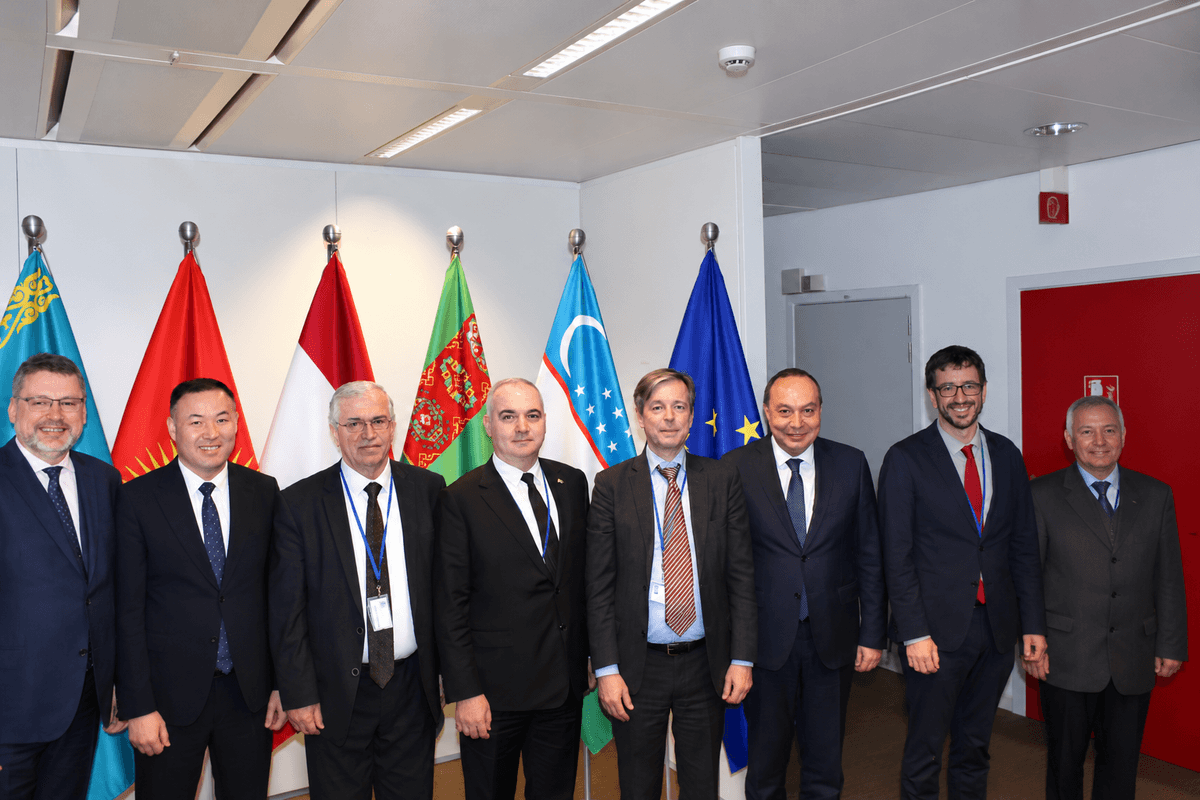
On 27–28 October 2026, the expert forum 'Central Asia — European Union' was held at the headquarters of the European External Action Service, bringing together heads of leading think tanks from the two regions. The organisers were the Institute for Strategic and Regional Studies under the President of Uzbekistan (SMI), the office of the EU Special Representative for Central Asia, and the EU Institute for Security Studies. According to Kun.uz, citing the forum's press release, the event served as a practical follow-up to the first 'Central Asia — European Union' summit held in April 2025 in Samarkand, following which relations between the two regions were elevated to the level of strategic partnership.
Priorities named by the Uzbek side
SMI Director Eldor Aripov stated that partnership with the EU should expand opportunities for attracting investment and technology, entering new markets and diversifying transport routes. 'For us, partnership with the European Union is an opportunity to expand economic ties while preserving freedom of cooperation with other partners, diversify markets and attract new technologies,' the outlet quoted him as saying. He proposed paying particular attention to developing human capital, vocational education and digital skills, as well as expanding opportunities for legal labour migration — it is this issue that features in the headline of the report.
Areas of cooperation discussed
Among promising areas, the forum highlighted the creation of joint production chains for processing critical minerals and manufacturing high value-added products. Also discussed were improving the efficiency of transport along the Trans-Caspian International Transport Route, strengthening resilience to water and climate risks, and promoting stability in Afghanistan by aligning security measures with economic development and educational initiatives. Aripov emphasised that the agreements reached must be turned into concrete projects and practical results: 'The effectiveness of our partnership should be assessed precisely by this criterion.' Participants declared their interest in continuing the expert dialogue and developing the platform as a regular format of cooperation.