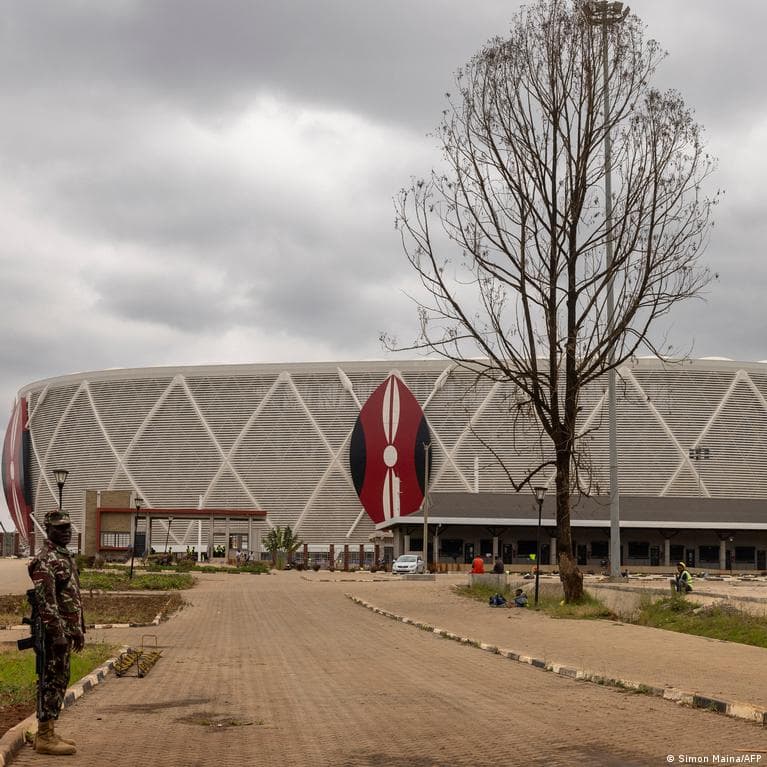
The key facts
- Bayern and Ajax will play at the opening of the Raila Odinga Stadium in Nairobi during the Bundesliga winter break
- The match is part of preparations for the 2027 Africa Cup of Nations, to be hosted by Kenya, Uganda and Tanzania
- The stadium cost about €375 million; in Kenya there is criticism of the spending ahead of the August 2027 elections
Friendly match at the new stadium
Bundesliga champions Bayern Munich will travel to Nairobi during the winter break to play a friendly match against Ajax of Amsterdam. The game will open the newly completed Raila Odinga International Stadium in the Kenyan capital and will form part of the country's preparations for the 2027 Africa Cup of Nations, which next summer will be hosted by three countries at once — Kenya, Uganda and Tanzania. This was reported by Deutsche Welle citing a club statement.
The club's motives and the African sports context
“Bayern has millions of wonderful fans in Africa, with whom we feel a close bond — it is a continent with an enormous passion for football,” said the club's board member for marketing and sales, Ruven Kasper, adding that the match will contribute to promoting the Bundesliga. The event fits into a series of recent decisions to hold major tournaments in Africa: earlier this month, Formula 1 announced its return to the continent after Rwanda secured the rights to a race from the early 2030s, and in September World Athletics announced that Nairobi will host the 2029 World Athletics Championships — the first time in history the tournament will be held in Africa.
Kenya's bet on sports infrastructure
The stadium's construction aligns with the drive to develop housing and sports infrastructure actively promoted by President William Ruto. Richard Wanjohi of the African Institute of Sports and Creative Industries (ASCI) noted that Nairobi is positioning itself as an alternative sports venue: in a few weeks the city will host a leg of the rugby sevens series, and in July the Africa Cup of Nations. Sports management expert Simon Chadwick of the African School of Economics believes that, unlike Rwanda, Kenya relies on relative stability and an already existing tourism industry, and that its multi-sport profile — athletics, rugby, football, volleyball — allows it to derive benefit from the new facilities.
Criticism: the stadium's price and the elections
The decision to build the stadium has sparked debate in Kenya: the stadium cost approximately €375 million ($418 million), and the Ruto government has previously been criticized for its tax policy, unemployment and its handling of dissent. Wanjohi noted that residents are asking where the money for the stadium came from when education and healthcare are underfunded; moreover, both clubs — Bayern and Ajax — will be paid a guaranteed appearance fee, and the opening of the arena was given neither to local teams nor to the national side, which has caused part of the discontent. According to him, the government is also treating the event as an electoral tool: elections will be held in the country next August. At the same time, Chadwick, based on what people from the Kenyan sports industry say, observes a genuine desire for sport to become a real driver of the economy rather than a “white elephant” — and the mood at the end of 2026 is generally optimistic.