The key facts
- The resolution was adopted with 130 votes in favor, 17 against and 25 abstentions — the lowest support since 1995
- Germany, Italy and Latvia abstained for the first time in 34 years; Colombia, Costa Rica, Ecuador, Morocco, Slovenia and Bosnia voted against for the first time
- The vote took place against the backdrop of US pressure: threats of tariffs against countries supplying oil to Cuba
A vote with the worst result since 1995
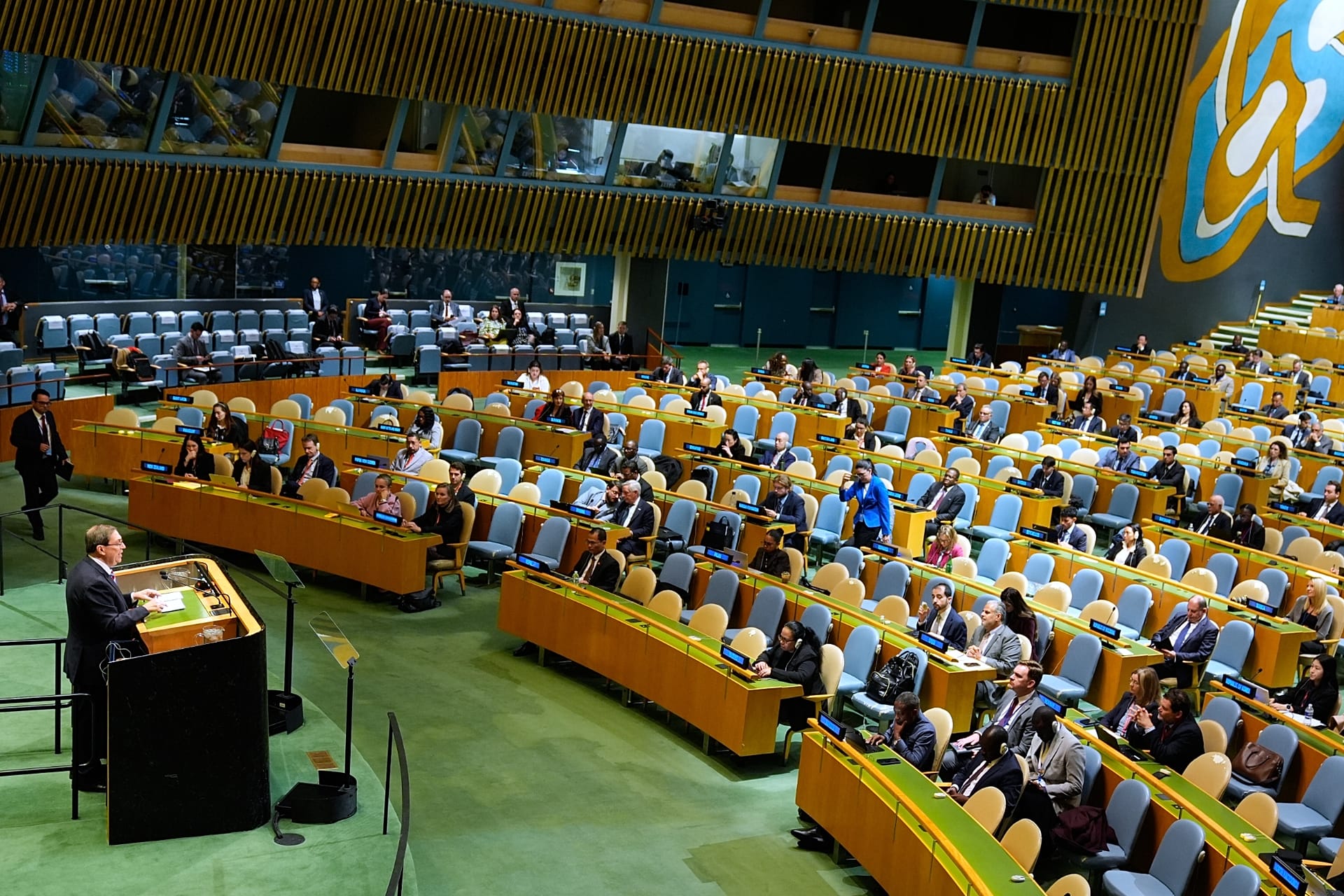
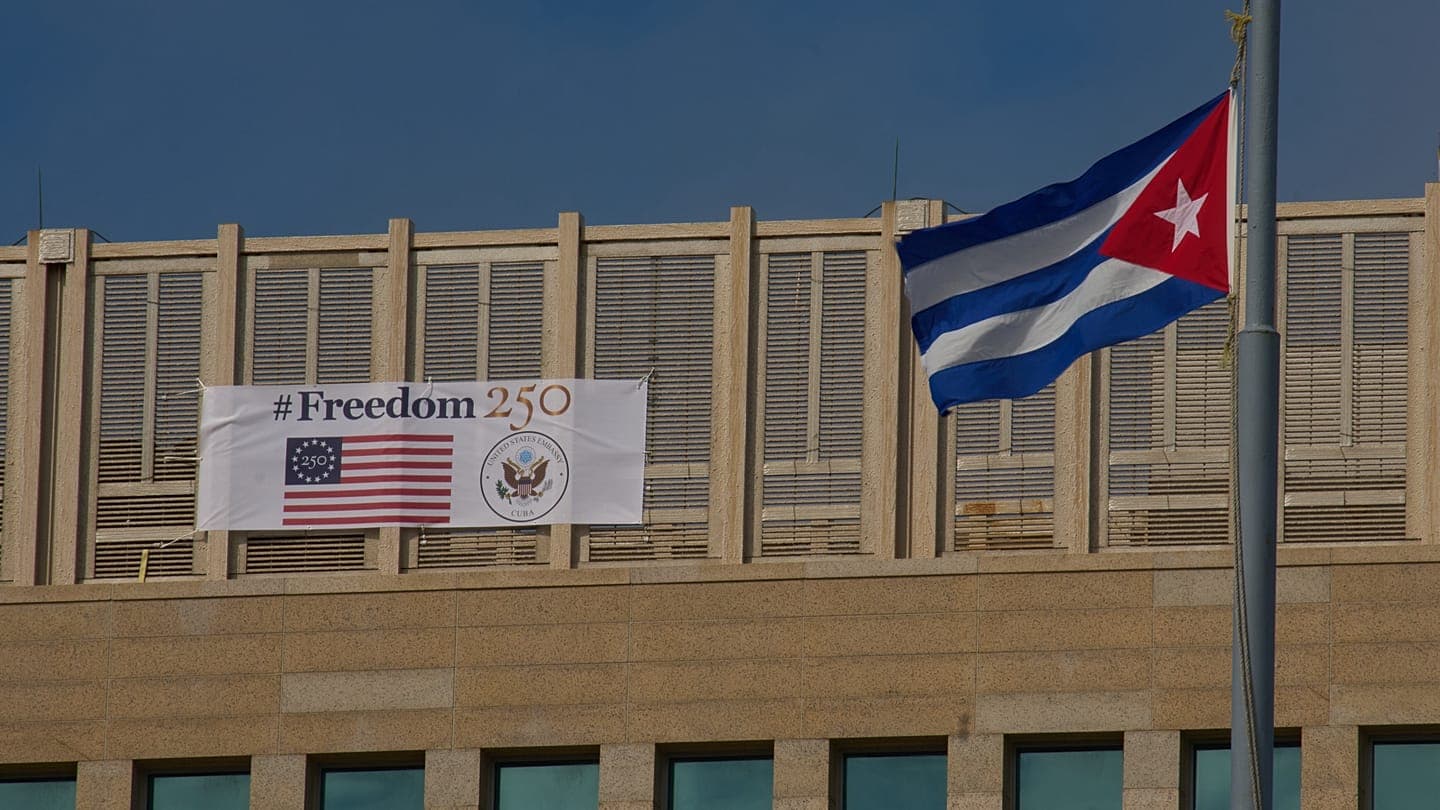
The UN General Assembly has once again called on the United States to lift the economic, trade and financial embargo against Cuba. The resolution, which has been tabled and adopted almost every year since 1992, passed with 130 votes in favor, 17 against and 25 abstentions. As euronews reports, this is the lowest level of support since 1995: a year earlier, more than 160 states backed the proposal. The resolution is not legally binding, but it is seen as a reflection of international opinion.
What changed in the voting lineup
For the first time in 34 years, Germany, Italy and Latvia abstained. Colombia, Costa Rica, Ecuador, Morocco, Slovenia and Bosnia voted against the resolution, many of them for the first time. In recent weeks, the Cuban government had accused the United States of a diplomatic offensive aimed at pressuring countries to withdraw their support for the resolution. Cuban President Miguel Díaz-Canel wrote on X that 'the world has once again spoken out against the blockade by an overwhelming majority, despite the most blatant pressure and blackmail from the United States.'
Exchange of accusations at the session
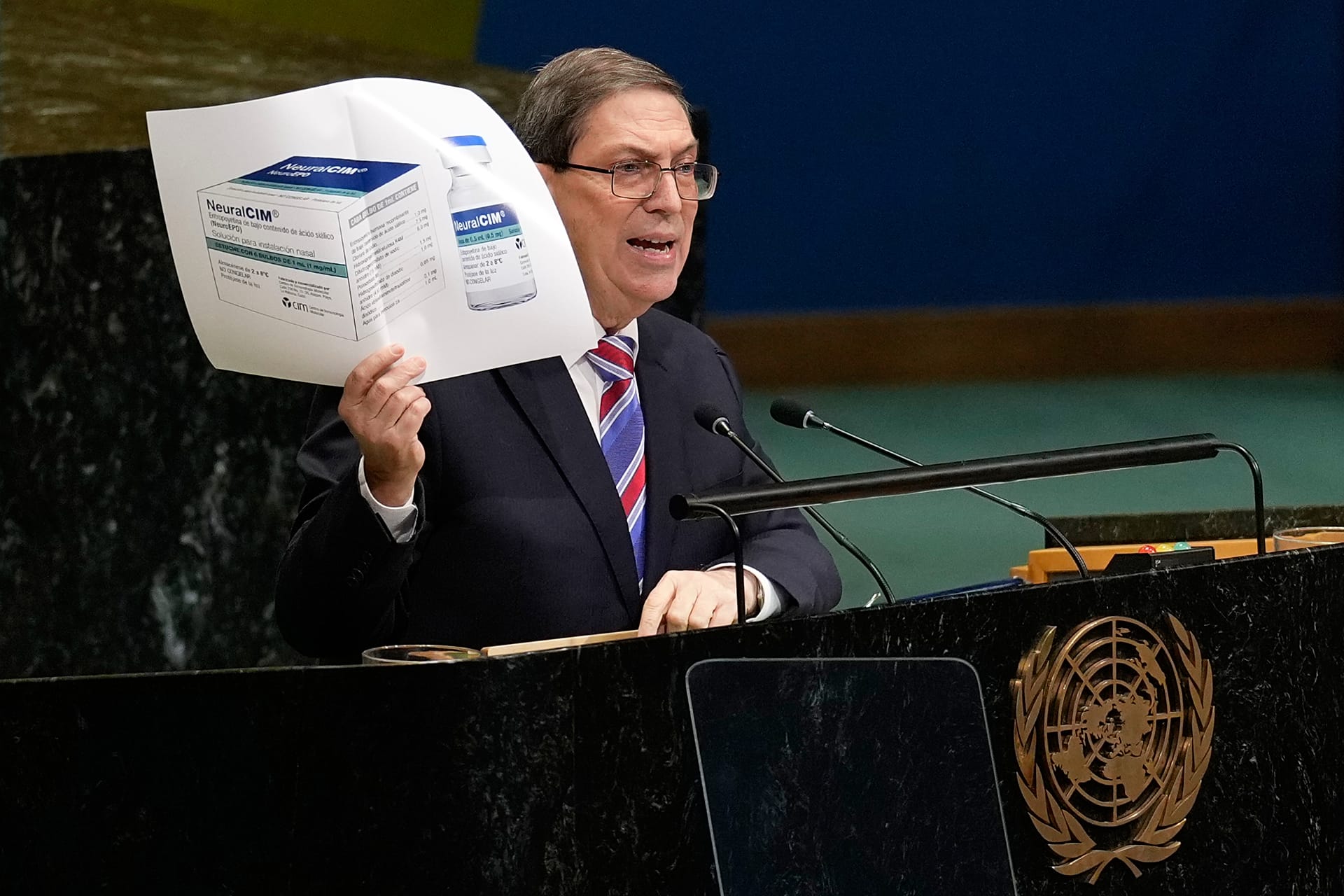
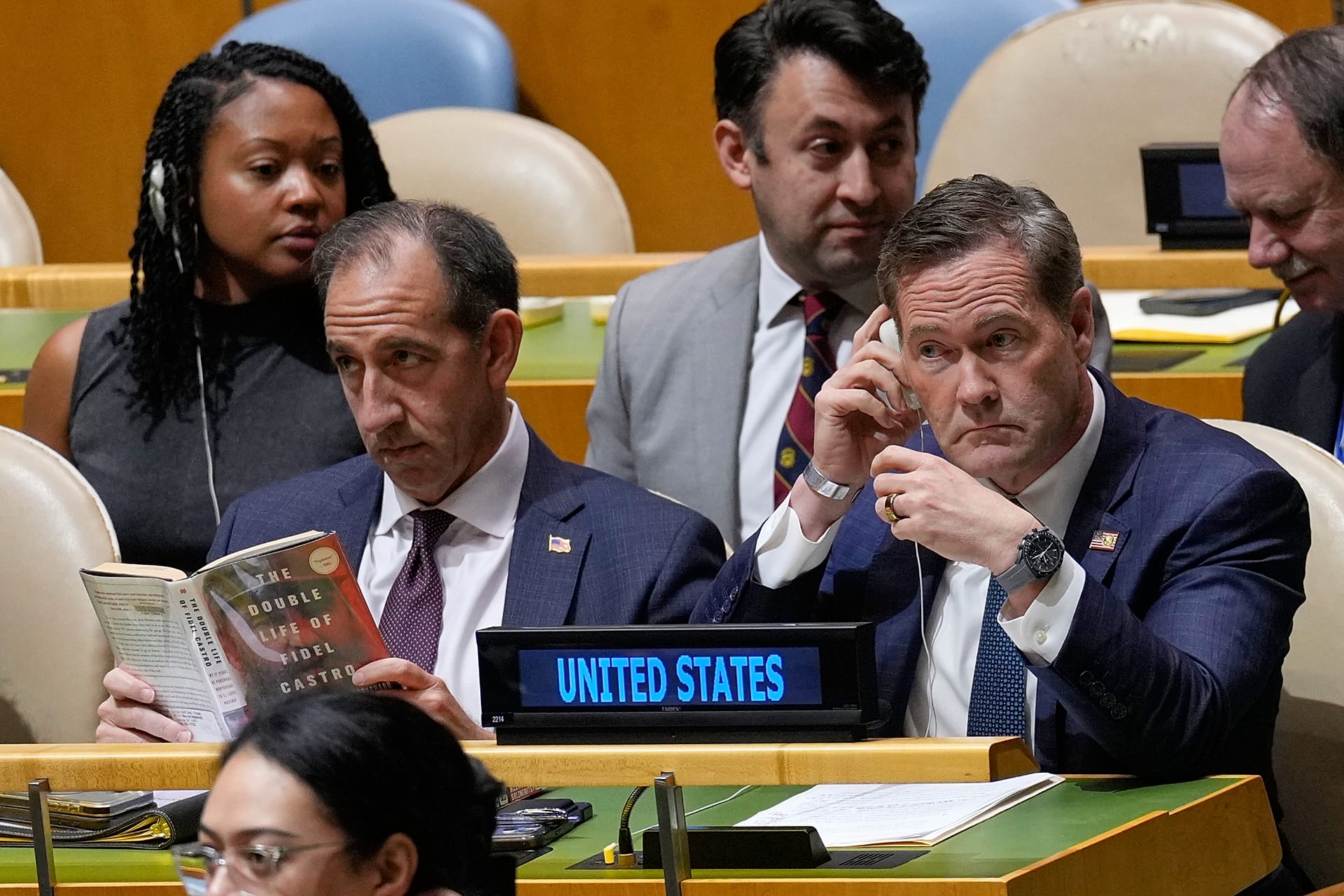
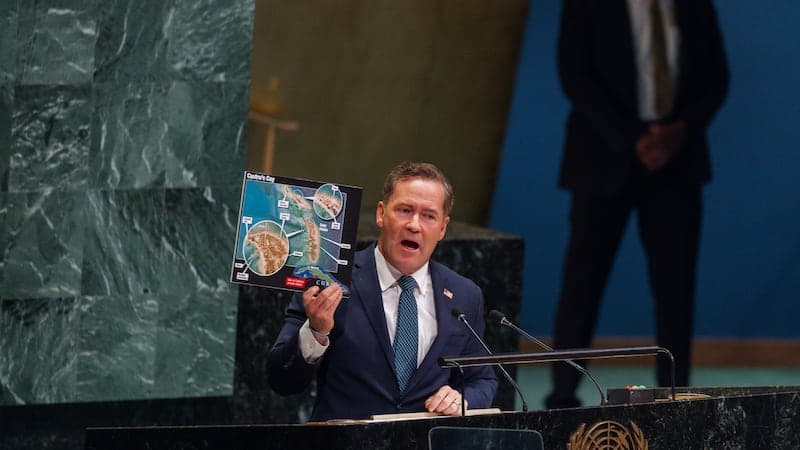
Minutes before the vote, US Ambassador to the UN Mike Waltz stated that Cuba is not under a blockade and blamed the hardships of the Cuban people solely on the 'corrupt communist regime.' At the session, he accused senior Cuban officials of living in luxury amid shortages for ordinary Cubans and showed photographs of the country's leaders, including President Díaz-Canel, wearing expensive watches, which provoked protests from the Cuban delegation. Cuban Foreign Minister Bruno Rodríguez accused Washington of seeking to 'determine the fate of the nation' and 'seize' its wealth; a sharp exchange broke out between him and Waltz — Rodríguez approached the ambassador and accused him of lying, while Waltz shouted, demanding that he step back.
Context of US pressure and the economic crisis
The embargo has been in place since 1960, following Fidel Castro's revolution and the nationalization of American property. In January, President Trump threatened tariffs against countries supplying oil to Cuba; according to the report, this sharply reduced fuel deliveries and contributed to large-scale power outages and disruptions to water supply, internet and telephone service. Cuba continues to face acute economic hardship, with shortages of fuel and basic necessities.