The key facts
- The altercation between the US and Cuban ambassadors took place on October 27 during the UN General Assembly debate on the embargo
- General Assembly President Khalilur Rahman suspended the session and considered a point of order
- Votes on this resolution have been held almost annually since 1992; the document is non-binding
Clash at the General Assembly podium
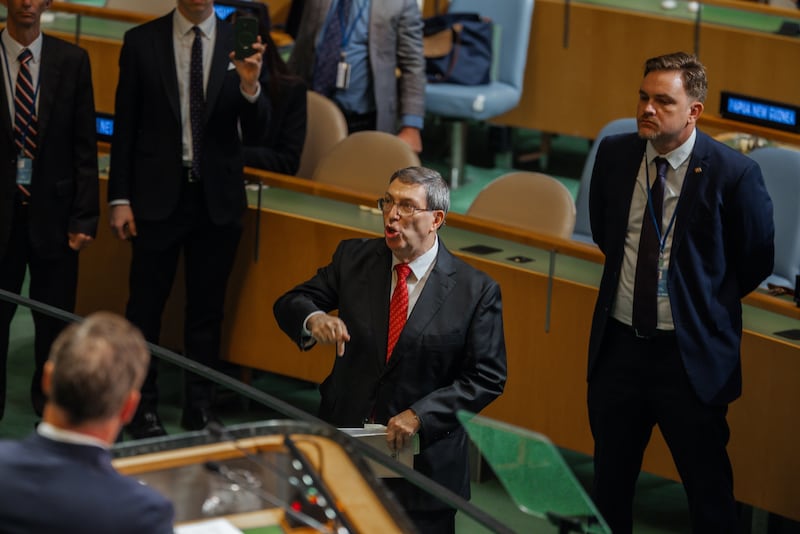
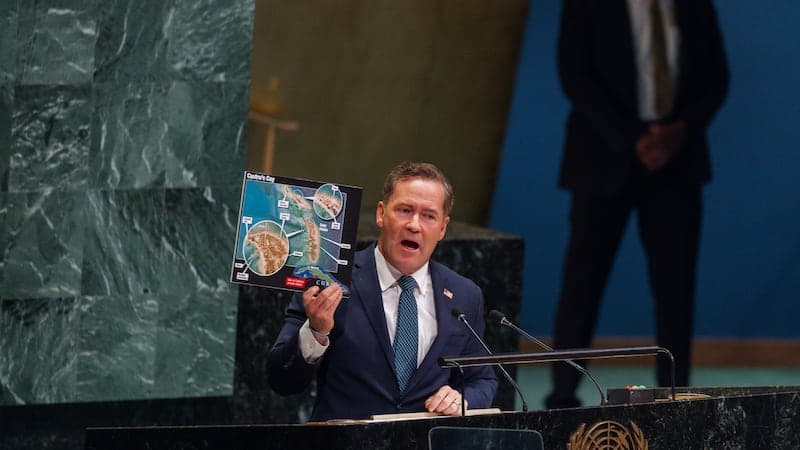
On Tuesday, October 27, during the UN General Assembly debate on a resolution to end the US trade embargo against Cuba, which has been in place for more than 60 years, an open altercation broke out between the US Permanent Representative Mike Waltz and Cuba's Foreign Minister Bruno Rodriguez Parrilla. This is reported by The National..
Accusations and a point of order
The conflict began after Waltz accused the Cuban government of enriching the political elite amid food shortages, power outages and economic hardship for ordinary Cubans. Parrilla repeatedly interrupted the speech, demanding that the American be called to order for, in his words, offensive remarks about the Cuban government and people. Waltz, in turn, demanded that members of the Cuban delegation step away from the podium: “I am the representative of the United States of America. Back off. This is not Havana. You will not intimidate me,” The National quotes him as saying.
Suspension of the session
General Assembly President Philemon Yang temporarily suspended the session and then gave Parrilla the floor on a point of order. Under rule 71 of the UN rules of procedure, a representative of a member state may speak at any moment, and the General Assembly President must immediately rule on it. Parrilla accused Waltz of lying and of being “beneath the dignity of this forum and the member states,” insulting the dignity of the people and government of Cuba. He interrupted Waltz's speech once more when Waltz was showing photographs which, according to him, demonstrated the luxurious lifestyle of Cuba's ruling elite.
What lies behind the debate
Since 1992, the General Assembly has almost every year called by an overwhelming majority for the embargo to be lifted, but the resolution is non-binding: only the US Congress can end the blockade. The context of this year's debate is harsher than before: since the beginning of the year, Donald Trump's administration has intensified pressure on Havana, restricting oil supplies and threatening tariffs against countries that ship fuel to Cuba, which, according to the outlet, has worsened shortages of goods and power outages across the island. Washington, for its part, blames Cuba's economic problems on the communist government rather than the embargo, and is seeking a change of power in Havana. Thus, the altercation itself does not change the legal situation — the outcome of the vote, as before, has no binding force, but it reflects the sharpening rhetoric between the two countries against the backdrop of new pressure measures.