The key facts
- NATO sources report 'unpredictability' of Patriot deliveries to Ukraine ahead of the US elections on November 3
- Russia fired more than 100 ballistic missiles at Kyiv over two weeks, while the US produces only 60–65 interceptors per month
- US interceptor stocks have been depleted by roughly half due to the war against Iran, according to CSIS
Uncertainty ahead of the elections
NATO allies are increasingly pessimistic about Ukraine's chances of receiving the American Patriot interceptors it needs before the US midterm elections scheduled for November 3. This was reported by Euronews, citing sources within the alliance: the situation surrounding the deliveries remains 'unpredictable,' and the allies do not know whether the systems will be transferred at all or when they might arrive. President Volodymyr Zelensky said Ukraine is still waiting for approval of the transfer of additional interceptors from US Defense Secretary Pete Hegseth.
Pressure on Kyiv and Washington's motives
One NATO source said outright that 'Trump is using every lever of pressure he has on Ukraine ahead of the midterm elections,' and suggested that the US president is trying to push Kyiv toward a peace agreement involving territorial concessions. The uncertainty over deliveries coincides with Trump's demand to stop strikes on Russian diesel refineries: according to him, these attacks drive up global energy prices. 'There are many other targets. Don't hit the diesel fuel. It hurts the peace,' he said in September during a visit to his golf resort in Ireland.
The math of the shortage
The scale of the problem is illustrated by the figures cited in the publication. Zelensky said Russia fired more than 100 ballistic missiles at Kyiv and the surrounding region over two weeks. According to Ukrainian estimates, the United States produces only 60–65 Patriot interceptors per month — less than that number, and the output must also meet the demand of other allies, including countries in the Middle East and the Persian Gulf. According to the Center for Strategic and International Studies (CSIS), US stocks of Patriots and other interceptors have been depleted by roughly half during the conflict with Iran, which, the think tank warns, could undermine US readiness for potential conflicts, primarily with China. Each interceptor costs more than $4 million, and its production takes almost two years.
What else is slowing the deliveries
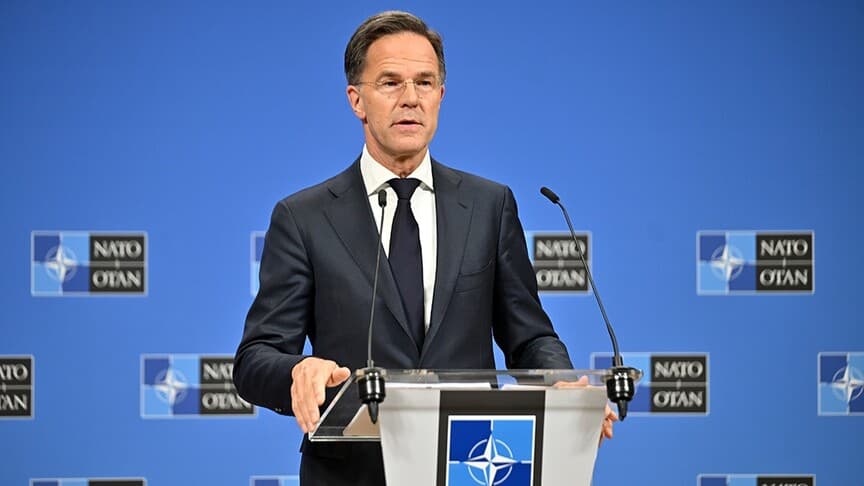
Former US Ambassador to NATO Kurt Volker believes the delay may also be linked to a possible resumption of intense hostilities against Iran: European countries, he said, have purchased Patriot missiles, but the Pentagon has given no explanation as to why they have not been delivered to Ukraine. He also called the very prospect of withholding weapons that Europeans have already paid for especially alarming. Concerns are heightened by restrictions on Ukraine's access to Starlink and by proposals made during peace talks under which Europe would have to unfreeze Russian assets and hand them over to the US; Volker described some of these proposals as 'clearly one-sided in favor of Russia.' NATO Secretary General Mark Rutte urged allies to transfer their systems to Ukraine bilaterally, but Greece and Spain, which hold significant stocks of the less advanced PAC-2, did not respond to the call.
Long-term solutions are stalling
A preliminary US commitment to allow Ukraine to produce Patriot missiles under license, announced by Trump at the July NATO summit in Ankara, has stalled. Germany, meanwhile, has received a license to produce the less advanced PAC-2, but their deliveries will begin no earlier than December 2026 – January 2027; Defense Minister Boris Pistorius said Berlin has also proposed establishing PAC-3 production. The uncertainty also affects Ukraine's access to NASAMS systems. With deliveries stretched out and no clear schedule, Ukraine, Euronews concludes, faces growing uncertainty in its ability to intercept Russia's ongoing missile strikes.