The key facts
- Iran's Foreign Ministry responded to Uzbekistan's protest regarding posts by Iranian embassies about Samarkand
- Foreign Ministry spokesperson Ismail Baghai stated that the embassy messages were directed at the United States
- Tehran described Samarkand and Bukhara as part of the shared Iranian-Islamic cultural heritage
Tehran's response to the diplomatic dispute
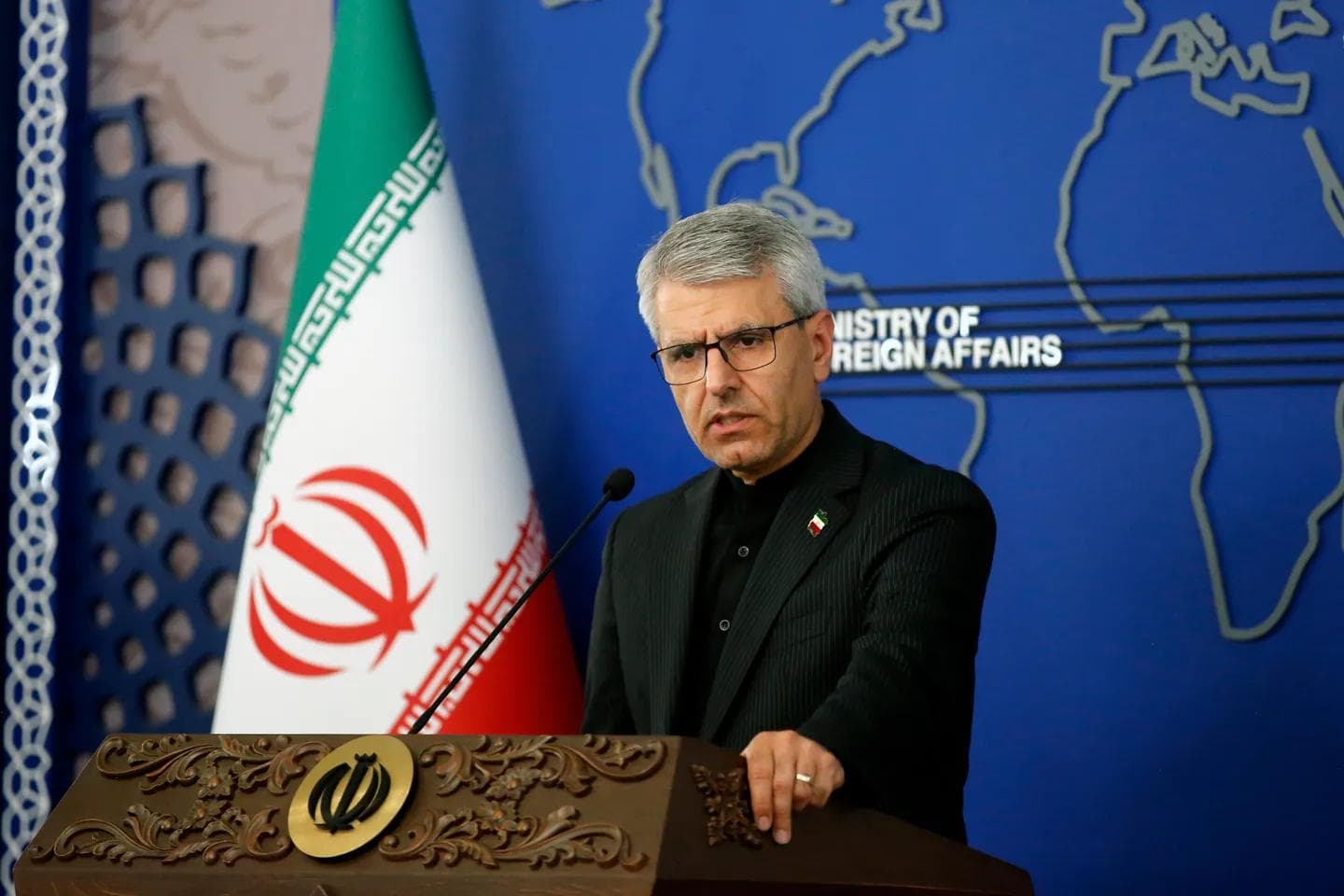
The Ministry of Foreign Affairs of Iran has officially responded to the diplomatic dispute with Uzbekistan, which arose following publications by Iranian embassies on social media. During a briefing held in Tehran on October 26, the ministry's official spokesperson, Ismail Baghai, answered a journalist's question regarding how Iranian embassies reacted to footage of U.S. Secretary of State Marco Rubio's visit to Uzbekistan and whether this episode could affect bilateral relations. This is reported by Kun.uz.
What the Iranian Foreign Ministry spokesperson said
Baghai began his response by quoting a famous poem by Rudaki dedicated to Bukhara (Muliyon arigining isi kelmoqda... — 'The scent of the Muliyan river arrives, the memory of the dear friend arrives'). Further, as published on the Foreign Ministry of Iran's Telegram channel, he stated that relations between Iran and Uzbekistan are 'not a matter of yesterday or today,' and that Samarkand and Bukhara, like many other ancient cities in Central Asia, the Caucasus, and Hindustan, are part of Iran's shared civilizational and cultural heritage, which Tehran takes pride in and, according to him, should serve as a foundation for strengthening ties with neighboring states.
To whom the embassy posts were addressed
The key clarification concerned the recipient of the publications that sparked the protest. According to Baghai, the messages from staff at 'certain embassies' in that episode were directed toward America: diplomats, as he put it, merely wished to remind how crude and inappropriate, in his view, American statements about Iran's civilization, culture, and history are. He added that 'the shared Iranian-Islamic heritage can be seen in every corner of the region.' A link to the relevant post by the Iranian embassy in Uzbekistan was included in the Foreign Ministry's response.
Context and what remains unclear
The dispute was triggered by ironic posts from Iranian embassies regarding footage of Marco Rubio's visit to Uzbekistan; a journalist at the briefing noted that, according to reports, this episode offended some Uzbek officials. In the published response, Tehran did not explicitly acknowledge Uzbekistan's protest concerning Samarkand's heritage nor issue an apology; instead, the Foreign Ministry shifted focus to 'shared heritage' and clarified that the grievances were directed at the United States. An official response from the Uzbek side to this statement by Iran has not been provided in available publications, so it remains unknown whether Tehran's response has resolved the diplomatic incident.