The key facts
- AI fakes have spread with 'statements' by Bortnikov, Shaskolsky and Gerasimov about the diesel deal with the US
- Signs of forgery: a mask overlaid on the faces, artificial facial expressions, monotonous speech
- The fakes appeared against the backdrop of real steps on the deal: sanctions relief and the dispatch of the first three tankers
Fake videos with officials
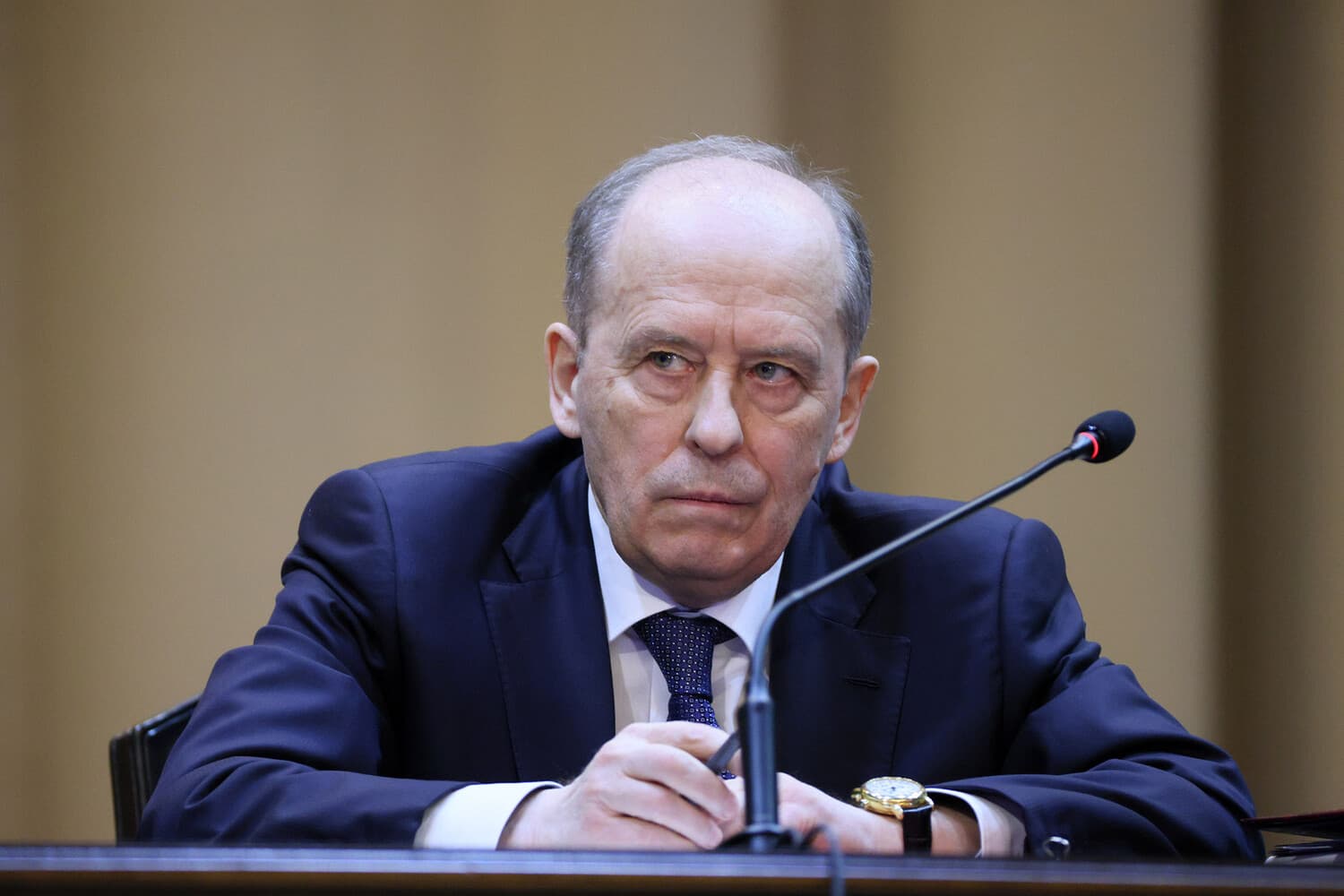
Videos have spread online in which voices resembling FSB Director Alexander Bortnikov and FAS Head Maxim Shaskolsky allegedly criticized the diesel deal with the United States. Lenta.ru drew attention to this, as reported by Gazeta.Ru. In one of the videos, words can be heard claiming that a fuel shortage is allegedly hitting the agricultural sector: the talk is of idle machinery and a threat to harvests and farmers' incomes.
Signs of forgery
In addition, a news item appeared claiming that Chief of the General Staff of the Russian Armed Forces Valery Gerasimov had allegedly criticized the country's leadership for diplomatic concessions to the United States. Journalists at Lenta.ru noted that both videos are fakes, created with the help of artificial intelligence: the images show a mask overlaid on the faces imitating the officials' speech, the speakers' facial expressions look artificial, and the speech is monotonous and uniform.
Context of the diesel deal
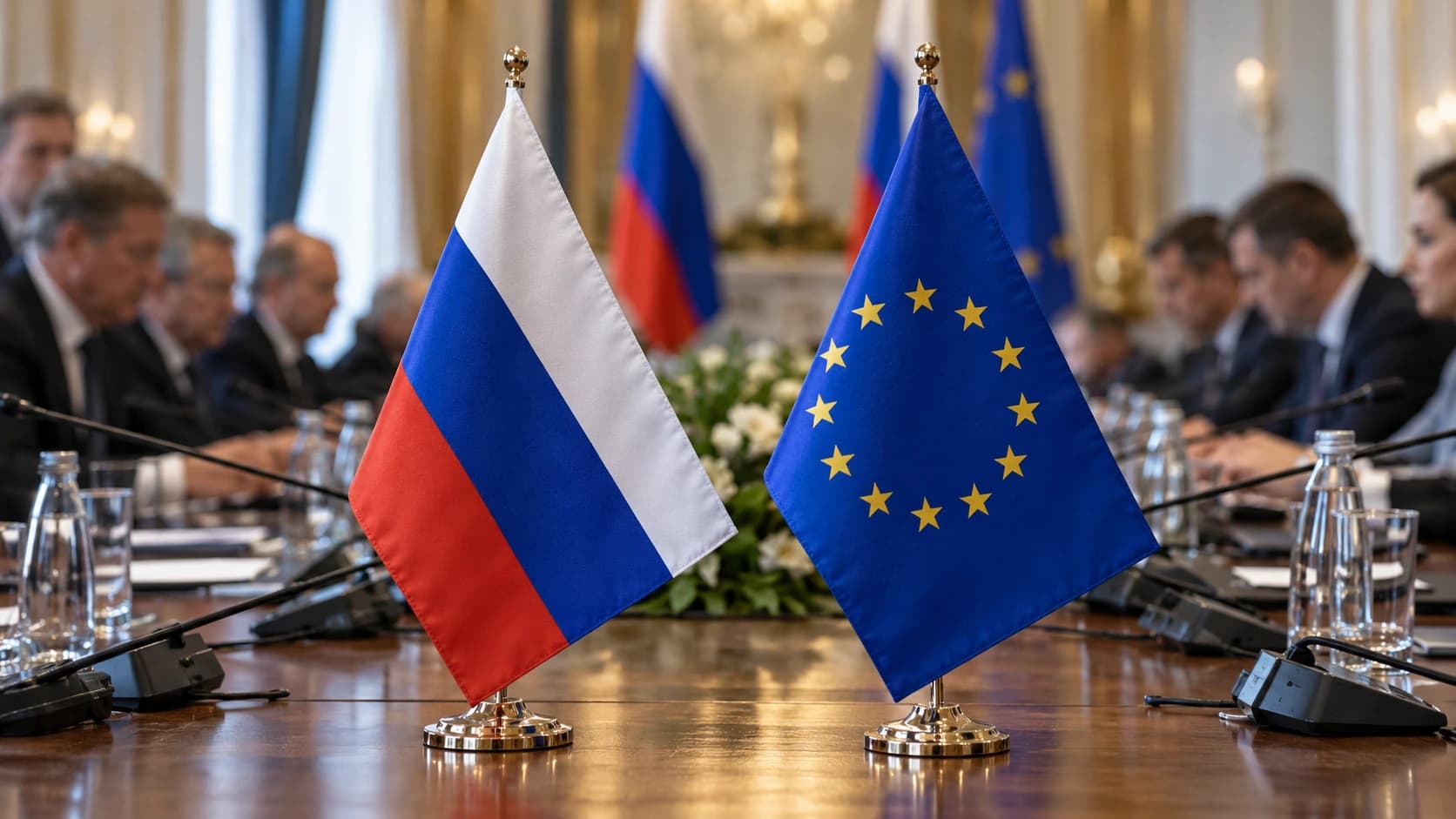
The fakes emerged against the backdrop of real events surrounding the 'diesel deal.' In early October, the US Treasury announced the suspension of sanctions on Russian diesel fuel for six months — until April 7, 2027. This followed a telephone conversation between Vladimir Putin and Donald Trump, who agreed on supplies from Russia of more than 300,000 tons of diesel and 500,000 tons of fuel to international markets. On October 24, Deputy Prime Minister Alexander Novak announced that Russia had sent the United States the first three tankers with fuel under the deal.
Similar cases earlier
This is not the first such case: earlier, a fake decree by Putin on ending the special military operationhad already appeared online. Thus, the new videos fit into a series of counterfeit materials imitating statements by Russian officials — while the fake 'criticism' of the deal contrasts with the actually confirmed steps toward its implementation, including the dispatch of the first tankers.