The key facts
- Farah Al Qaisi founded Stutter Community (about 33 regular members) and plans meetings for children and teenagers in 2027
- The planned center in Abu Dhabi is to bring together speech therapists and psychologists and work with schools, universities and employers; premises and funding have not yet been found
- The planned centre in Abu Dhabi is to bring together speech therapists and psychologists and work with schools, universities and employers; premises and funding have not yet been found
- Together with MBZUAI, AI tools for stuttering diagnostics and the Chatty Check game for screening children aged 3–5 are being developed
A personal story that became a public initiative
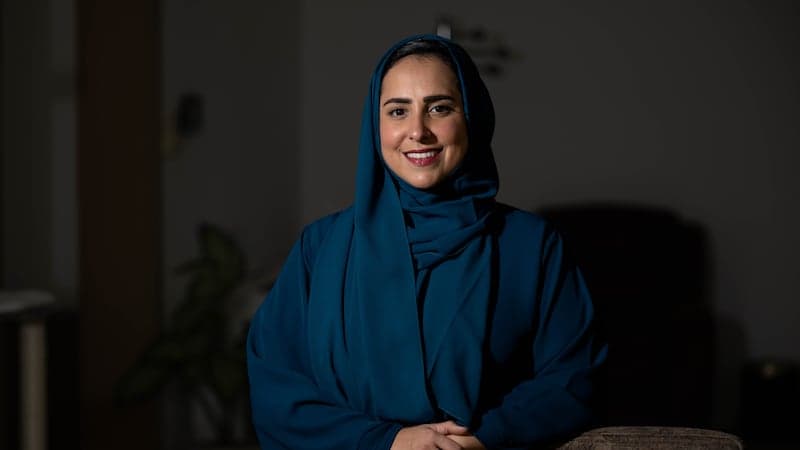
Emirati Farah Al Qaisi, 36, plans to establish a specialized center for people who stutter in Abu Dhabi, The National reports. The idea stems from her own family: she and her younger brother Mansour both stuttered and often talked about the teasing and awkward situations they faced. According to her, a turning point came at school when, at about age 11, a teacher interrupted her during reading aloud with the words: 'Stop. When you learn to read, raise your hand. Sit down.' After that, classmates began mocking her, and she started avoiding situations where she had to speak.
From a community to a center
In 2013, at age 23, Al Qaisi met, for the first time outside her family, another person who stuttered. Together they created a group on Meetup.com, but for the first eight or nine months no one came; after a newspaper article in 2015, about 85 people attended the first awareness event, and some later gatherings drew up to 200 participants, including parents. Mansour died in 2015 at age 23, having graduated from New York University, where he had planned to create a group for people who stutter; he never got the chance to carry out that plan with his sister. After his death, her own stuttering worsened, but that same year she held an event for International Stuttering Awareness Day and promised herself to continue. Today Stutter Community has about 33 regular members of various nationalities; in 2027, Al Qaisi hopes to resume in-person meetings and launch gatherings for children and teenagers.
What is planned and what is still missing
The center in Abu Dhabi is meant to bring together speech therapists and psychologists to support people who stutter and their families, and to work with schools, universities and employers — according to Al Qaisi, people who stutter can be excluded from oral exams and presentations, left out of meetings, or denied jobs, with their speech difficulties mistaken for incompetence. The approach should address not only speech but also the accompanying fear, anxiety and frustration. However, premises and funding have not yet been found: according to her, the main challenge is finding a space where the work could grow.
AI projects and context
In parallel, Al Qaisi is working with researchers at the Mohamed bin Zayed University of Artificial Intelligence (MBZUAI) on two projects: AI tools and automated clinical frameworks to improve the diagnosis and assessment of stuttering severity and access to speech therapy, and a game called Chatty Check — an interactive tablet game for children aged three to five that detects early signs of speech development disorders in 15 minutes. According to the figures cited in the publication, about 1% of the world's population stutters; according to the US National Institute on Deafness and Other Communication Disorders, stuttering affects 5–10% of children at some point and about 1% or fewer adults, with many children 'growing out' of it, and the FDA has not approved any drug specifically for stuttering.
Testimonies from participants
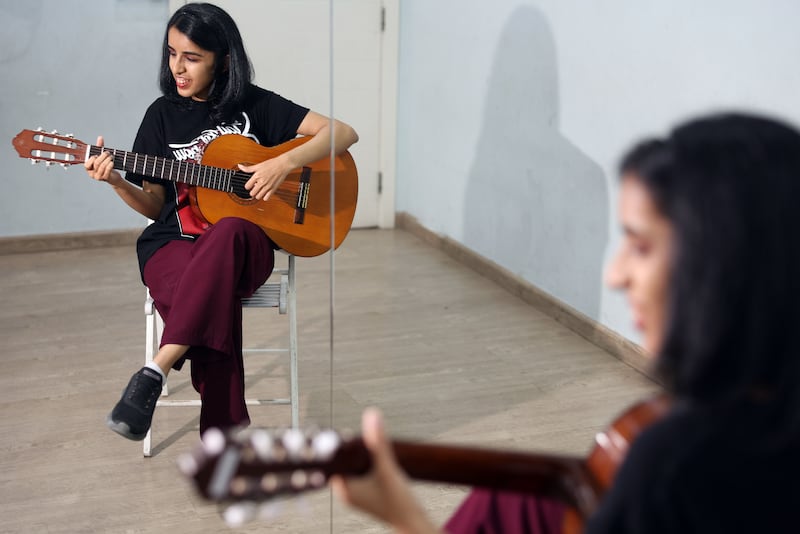
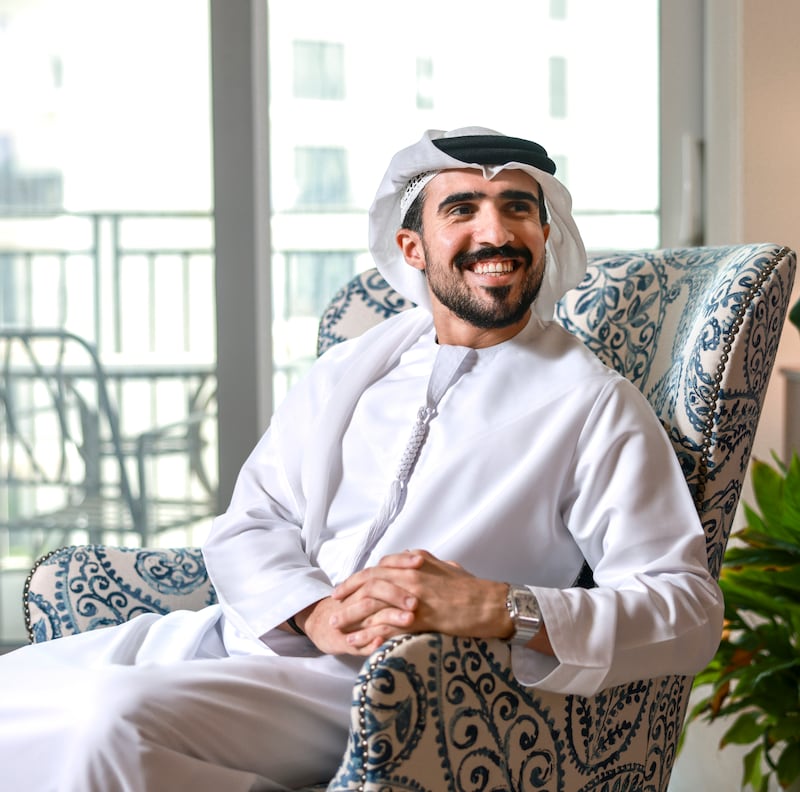
The publication features stories from community members. Rutuja Deshpande, 26, born and raised in the UAE, says she does not stutter when singing, calls herself 'a stutterer who sings,' and says she was passed over for opportunities in the events industry and bullied at work, which led to severe depression and suicidal thoughts, after which she sought counseling and therapy. Emirati aviation engineer Malik Al Shehhi, 33, recalls that he used to apologize for his stuttering, but after an event in Abu Dhabi in 2023 he began asking new colleagues to give him more time in meetings and, at home, not to finish his sentences for him. Cultural strategist Rhys Waldron notes that the listener's reaction — patience, eye contact and relaxed body language — can change how comfortable it is for a person to speak: 'It takes two here.'