The key facts
- 75 MPs and peers called for the first sanctions designations 'within weeks, not months'
- The new sanctions regime, announced in September, will only take effect in six months
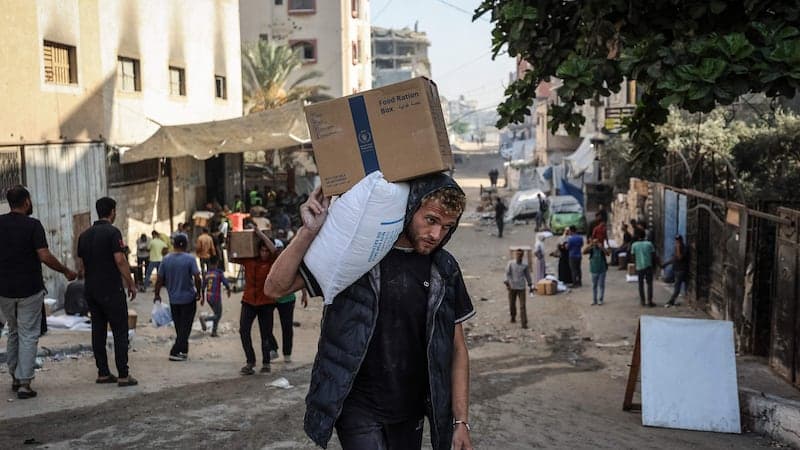
- The World Food Programme has cut aid to Gaza from 1.6 million to 1.1 million people
Letter to the UK Foreign Secretary
75 British MPs and members of the House of Lords have sent a letter to Foreign Secretary David Lammy... Ed Miliband, urging him to accelerate and broaden the new sanctions regime against Israel to include those blocking the entry of humanitarian aid into Gaza. The letter was drafted by Liberal Democrat Alistair Carmichael; among the signatories are Labour MPs Rushanara Ali and Abtisam Mohamed and Liberal Democrat Layla Moran. The National reported this.
The substance of the demands
The signatories note that the sanctions regime announced in September — targeting companies trading in goods from Israeli settlements in the West Bank as well as violent settlers — will only take effect in six months. The letter calls for 'the first designations to be made before winter' and for cases of obstruction of aid to Gaza to be treated as a priority, with the first sanctions announced 'within weeks, not months'. The authors also propose sanctioning Israeli ministers and officials who 'designed, promoted or implemented' measures that restricted access for the UN agency UNRWA and other organisations to Gaza, and mirroring EU sanctions against extremist groups blocking aid — including Tzav 9, which has been under EU sanctions since July 2024 for blocking aid trucks. Separately, the parliamentarians ask for an announcement of additional funding for food, water and shelter for Gaza before winter.
Split in the ruling party and Miliband's position
Sanctions policy has divided the ruling Labour Party: critics of Miliband warned that the measures could jeopardise the security and intelligence-sharing agreement with Israel or strengthen Israeli far-right figures, while others fear the measures are not broad enough to stop the expansion of settlements in the West Bank. Earlier this month the UK introduced the Global Human Rights and International Humanitarian Law Sanctions Regulations 2026 — an expansion of existing sanctions rules. On Tuesday Miliband said these rules would allow individuals and organisations to be added to sanctions lists on human rights grounds more quickly, including companies bidding for the contested E1 settlement project, applications for which are being accepted until 19 November. 'We will do everything possible to prevent construction of the settlement in E1,' he said, but declined to comment on which Israeli ministers or officials might be added to the lists.
Humanitarian backdrop and cuts to British aid
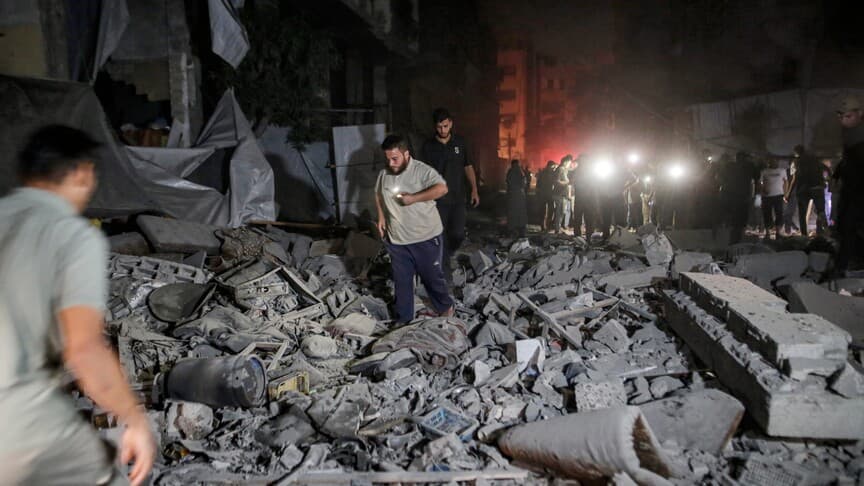
International organisations have repeatedly warned of a worsening humanitarian crisis in Gaza. Last week the World Food Programme announced a reduction in deliveries due to funding shortfalls: the number of people reached by aid will fall from 1.6 million to 1.1 million, and portions at community kitchens will be cut from 250,000 to 150,000 per day. UNICEF warned that the Sheikh Radwan stormwater basin could be emptied within two weeks, yet Israeli authorities are not allowing in the equipment needed to refill it, threatening flooding of areas with water contaminated by sewage. At the same time, charities warn that the UK will miss its target of spending 0.3% of gross national income on aid by 2027: according to the network of British charities Bond, after the autumn budget, which contained no spending adjustments, the shortfall will amount to £320 million. 'British aid cuts have already cost lives,' said Bond's policy director Gideon Rabinowitz, urging the government to honour the 0.3% commitment and set out a path back to the 0.7% target.