The key facts
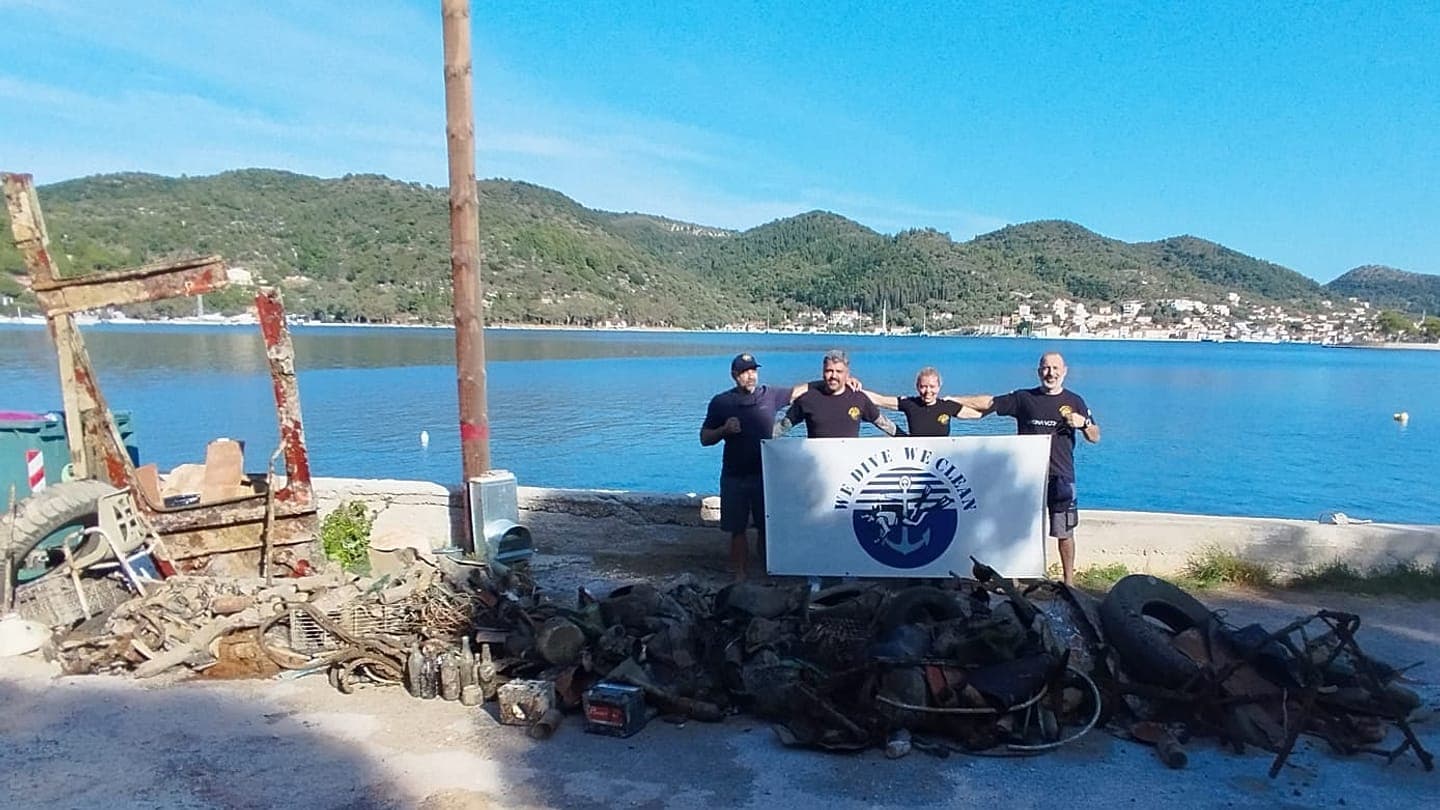
- In the harbour of Vathy on Ithaca, volunteers lifted about 1,300 kg of litter in two days, including an almost intact plastic fishing boat
- This was the 186th mission of We Dive We Clean since 2013; almost 73 tonnes of waste have been recovered from Greek waters in total
- The team notes that a significant part of the recovered litter had been lying on the seabed for many years
A two-day operation in Vathy
The natural horseshoe-shaped harbour of Vathy on the Greek island of Ithaca is known for its picturesque beauty, but, as Euronews reports, it hides a 'dirty secret': waste has been accumulating on its seabed for decades. A team of volunteer divers recently carried out a two-day operation and lifted about 1,300 kilograms of solid waste from the harbour waters and the surrounding area. The event opened this year's 'We Dive We Clean' campaign.
What was found on the seabed
The list of recovered items shows the variety of litter in Greek waters: plastic and glass bottles, aluminium cans, fishing lines, nets and fish traps, batteries, tyres of various sizes, mats and plastic objects. Much of it is linked to shipping and human activity in the harbour: boat parts, personal belongings dropped overboard, chairs, traffic cones, bicycles, metal items and anchors. The most striking find was an almost intact plastic fishing boat. The outlet notes that removing such objects matters for the ecosystem: abandoned materials can injure marine life and degrade the coastal environment.
13 years of work and cautious optimism
The organisation We Dive We Clean was founded in 2013 and has since carried out underwater clean-ups in harbours and coastal areas across Greece. The operation in Vathy was its 186th mission, and the total volume of debris recovered from the seabed has reached almost 73 tonnes. Work of this kind requires preparation, specialised equipment and planning: the largest objects are removed first, then smaller fragments are collected using lifting devices.
What difference it makes
The team reports that a significant share of the debris now being raised from the seabed dates back many years. In the volunteers' view, this gives grounds for cautious optimism: public awareness of environmental protection and waste management may be growing. At the same time, the volunteers themselves stress that the problem has not been solved: keeping the seas clean requires constant effort, responsible behaviour from residents and tourists, proper waste management and an end to dumping rubbish into the water and onto the shore. The operation in Vathy shows that large accumulations of objects still remain on the seabed of Greek harbours, invisible from the surface.