The key facts
- Both dosages of Nabilone (1 mg and 0.25 mg) are unavailable from wholesalers across the UK; a return is expected in December
- The Department of Health in Northern Ireland has not disclosed the cause of the supply disruption, calling it 'commercially sensitive'
- The number of drugs in shortage in the UK has risen from 107 in January to 157 this week
Patient left without medication: 'pain like being struck with a red-hot poker'
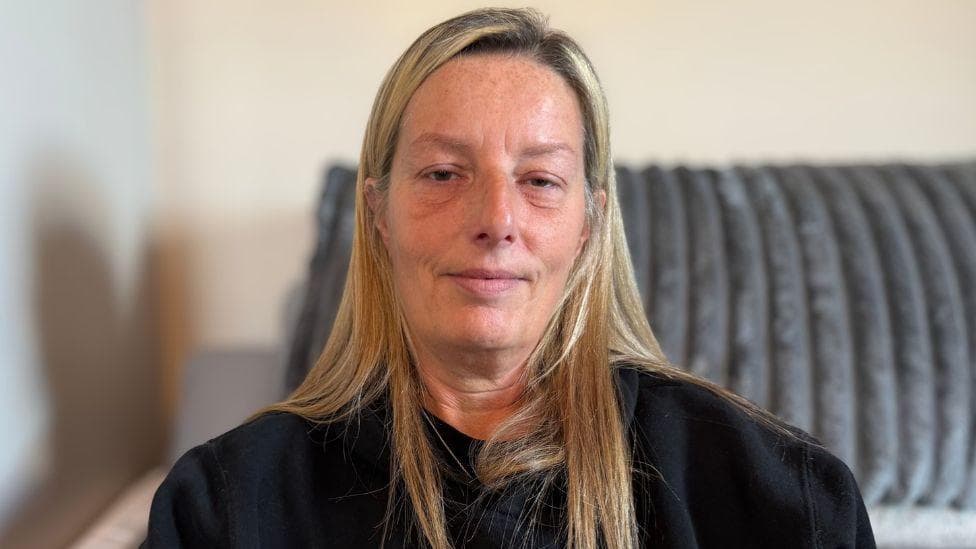
Jill Kenning, a resident of Coleraine (County Londonderry, Northern Ireland), who was diagnosed with multiple sclerosis in 2008, told BBC News NIthat she is living with 'terrible pain' after being unable to obtain Nabilone, a medication she had taken for 17 of the 18 years since her diagnosis. According to her, the drug was key to controlling her pain and allowed her to 'get out of bed in the mornings'. Without it, she experiences constant pain in her eye, which she compares to 'being struck with a red-hot poker'. Since the medication ran out last Tuesday, she spends most of her time in bed, lives on painkillers, and cannot sleep or eat; alternative prescriptions, she says, proved ineffective, and her health deteriorated to the point that she had to spend several nights in hospital. Kenning also said that patients should have been prepared in advance for the supply disruption, and that she is speaking up 'not only for myself, but for all the other patients on this medication'.
What the authorities confirm and what is known about the scale of the shortage
The Department of Health in Northern Ireland confirmed that both licensed dosages of Nabilone — 1 mg and 0.25 mg — are unavailable from wholesalers across the UK. The shortage of the 1 mg dosage began in July, while the 0.25 mg dosage recently became unavailable. The drug is not expected to return to sale before December. The department declined to disclose the cause of the disruption, describing the information as 'commercially sensitive'. The department said it is working with the UK Department of Health and Social Care and local trusts to manage the situation: healthcare professionals have been issued guidance on alternative treatments, including, where possible, unlicensed importation of Nabilone. Patients are advised to contact their specialists about switching therapy.
Drug shortages in the UK have been growing all year
The Nabilone case fits into a broader trend: according to the tracker of the industry reference MIMS,cited by the BBC, the average number of drugs in shortage in the UK has been rising throughout this year — reaching 157 this week, up from a low of 107 in January. This is not the first wave of warning signs: back in February, pharmacists warned of medicine shortages in Northern Ireland,and in May the BBC reported that the situation with access to medicines in England would worsen. For patients like Kenning, this means not abstract statistics but a concrete risk: even decades of stable treatment do not guarantee uninterrupted access, and a replacement medication is chosen only after the original drug has run out.
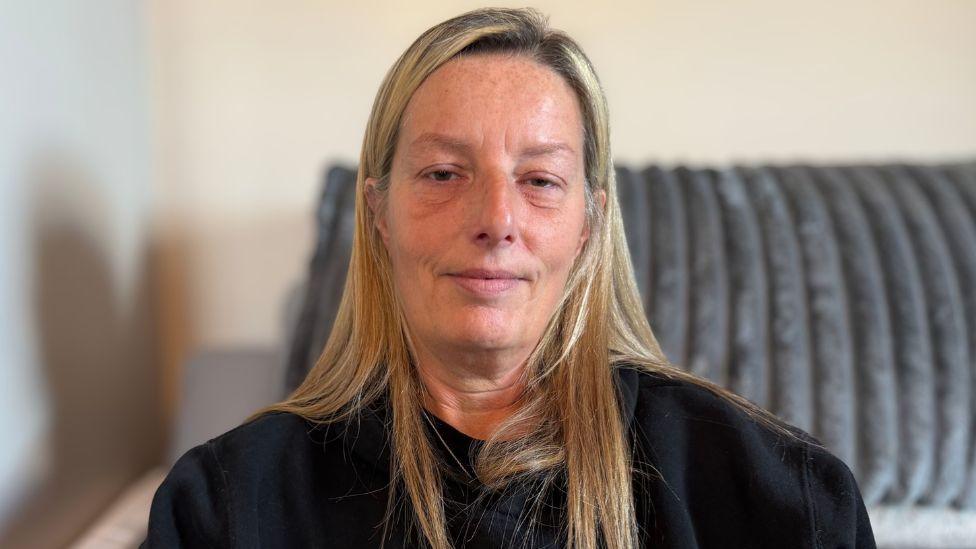
Jill Kenning experiences constant pain in her eye, which she compared to being 'stabbed with a hot poker'
 Image source, Getty Images
Earlier this year, pharmacists warned of medicine shortages in Northern Ireland