The key facts
- Marissa Mayer told the NYT in an interview about the Dazzle app, which analyzes the user's photo library
- After criticism on social media, she said she was testing a prototype rather than relying on AI to understand her child
- According to Pew Research Center, 50% of American adults believe AI will worsen the ability to build meaningful relationships
What sparked the criticism
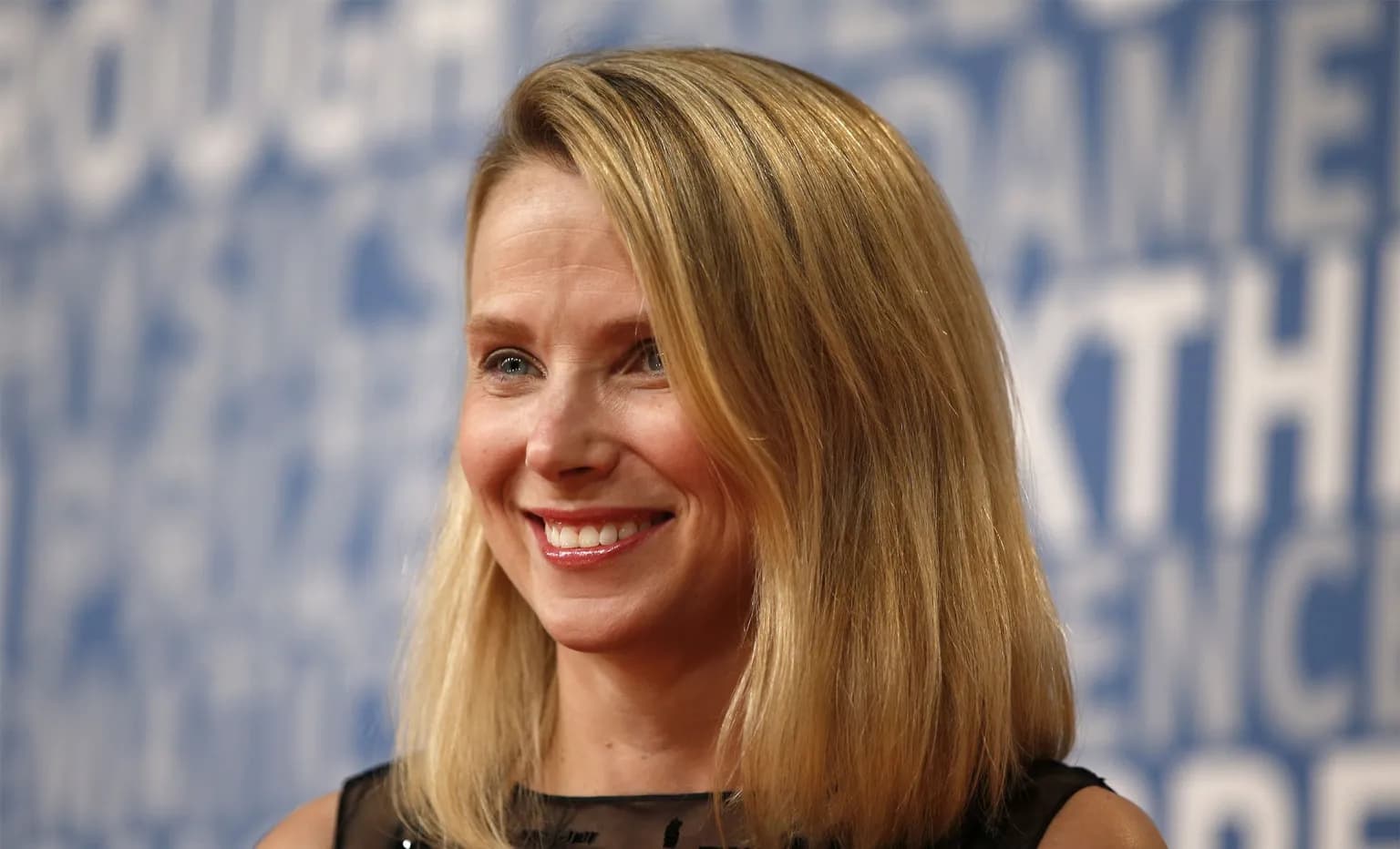
Former Yahoo CEO and one of Google's early engineers Marissa Mayer came under a barrage of criticism after an interview about her new app Dazzle — an AI assistant that learns from the user's photo library. As an example of the product's capabilities, she told a story about how the app helped her come up with three points about her ten-year-old daughter for a school birthday presentation: the daughter was described as 'empathetic, creative, and an animal lover.' TechCrunch reports this, noting that the description sounds generic and could apply to many children of the same age.
The reaction on social media
The reaction was sharp. Progressive activist Leah Greenberg wrote that the very fact of voluntarily telling a journalist about this 'pretty clearly demonstrates how far Silicon Valley culture has diverged from the rest of humanity.' New York Times editor Ryan Mack also drew attention to this on social media, noting that Mayer 'considered this ideal'.
Mayer's response and her broader suggestions
After the publication, Mayer posted a long post on X, in which she stated that she had not relied on Dazzle to understand her own daughter, but was testing the prototype's capabilities: the app, according to her, surfaced 'forgotten projects from kindergarten,' including 'snake devenomer' and 'sandcat playground,' illustrating the child's creativity and love of animals.
Context: executives and delegating close relationships to AI
TechCrunch links the wave of criticism to a broader trend: tech company executives have repeatedly suggested delegating parenting to a computer that, in the outlet's wording, is incapable of understanding human emotions. For instance, OpenAI CEO Sam Altman told Jimmy Fallonthat he 'cannot imagine raising a newborn without ChatGPT,' and later called 'a classic use case' using ChatGPT Work to create a podcast about upcoming birthdays and children's interests — for which he received harsh criticism in comments like 'What about just talking to your kids?'
What surveys and other executives say
At the same time, as TechCrunch notes, critics of such ideas are not a marginal minority: according to a Pew Research Center study, 50% of American adults believe AI will reduce people's ability to form meaningful relationships, and only 5% expect it to make such connections easier. Meta CEO Mark Zuckerberg, by contrast, predicts that outsourcing emotional needs to AI therapists and even AI companions will become socially acceptable, citing the fact that the average American has fewer than three friends, although the need is for roughly fifteen.
Limitations of the material
The TechCrunch article is opinion-driven and relies on public statements and social media; Mayer herself also admitted in the interview that she had not considered how an 'AI-planned future, without friction' might be dispiriting, responding to a reporter's question: 'I haven't really thought about that'. Beyond her words, there is no independent data in the publications about actual use of Dazzle.