The key facts
- The share of dependent elderly people has reached 23% of the working-age population, compared with 22% for children
- China has more than 223 million people aged 65+ (about 16% of the population) versus roughly 213 million children under 14
- By the end of 2025, more than 53 million elderly people were receiving benefits and subsidies
Elderly people outnumber children among dependents for the first time
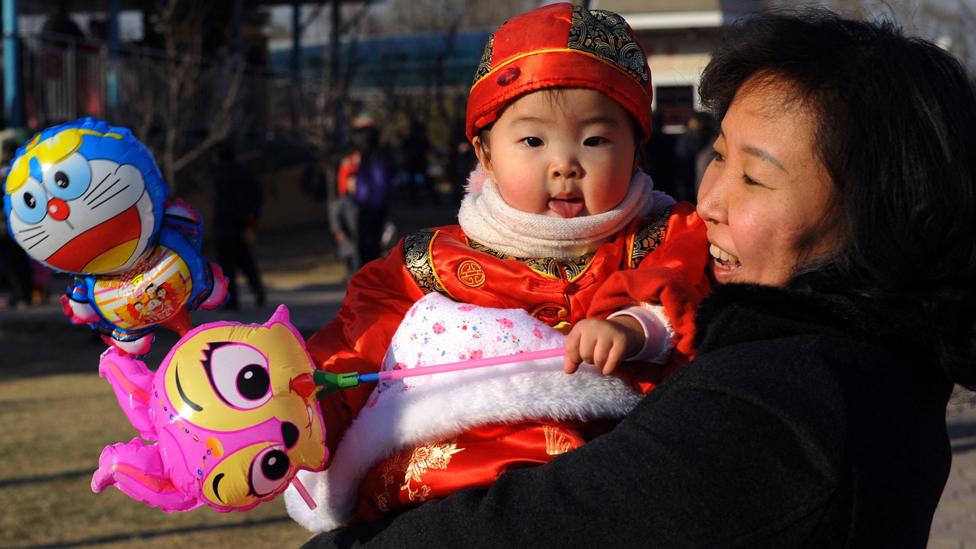
For the first time in China, families are supporting more elderly people than children: according to official figures published last week, the share of dependent elderly people per working-age population rose to 23% at the end of last year, surpassing the figure for children, which stood at 22%. The data from China's National Bureau of Statistics was reported by BBC News.
What the numbers show
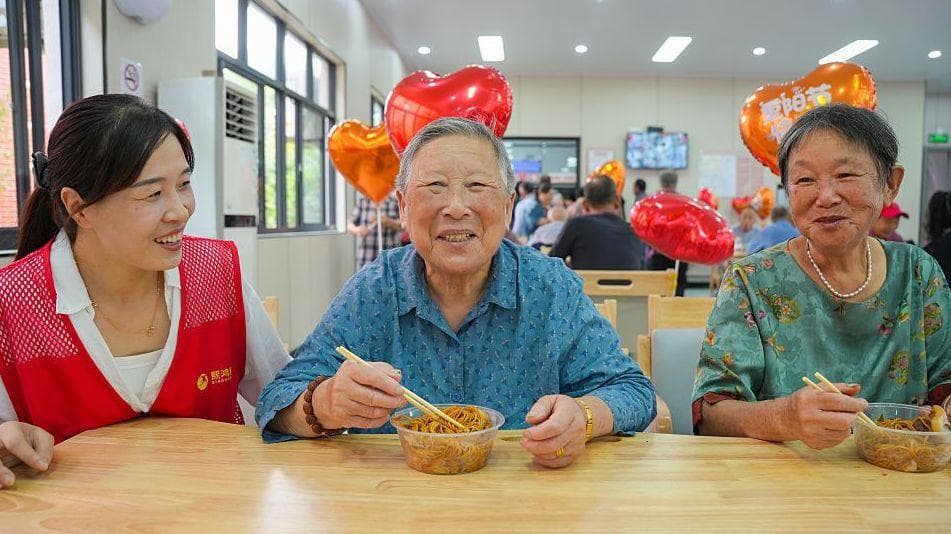
According to the statistics bureau, the country has more than 223 million people aged 65 and over — almost 16% of the population — while there are about 213 million children aged 14 and under. No official comment on the statistics has been published. The state-run Global Times linked the 'entry into a moderately ageing society' to the size of past birth generations and rising life expectancy, and noted that the shift could increase the burden on the pension system, healthcare and long-term care, but could also create opportunities in the 'silver economy' aimed at elderly consumers.
Causes and expert reaction
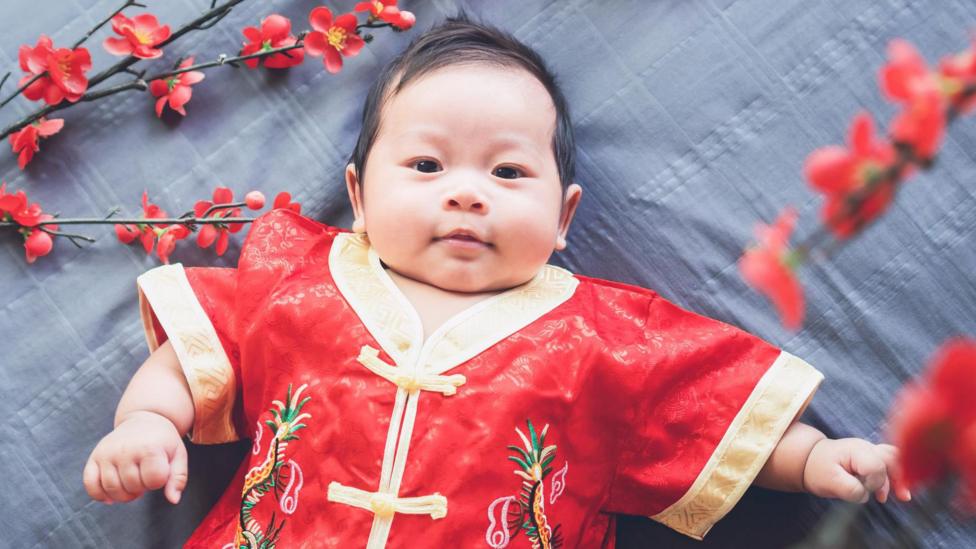
Stuart Gietel-Basten, a professor at the Hong Kong University of Science and Technology, called the shift 'symbolic' and suggested that government spending may shift from families and schools to pensions and healthcare. Mu Zheng, a sociology lecturer at the National University of Singapore, noted that the demographic shift could constrain economic growth and people's purchasing power. Among the causes of ageing cited are rapid urbanisation and the consequences of the one-child policy, which was in force from 1980 until the end of 2015; the Chinese government estimates it prevented about 400 million births, although that figure is disputed. Despite the easing of restrictions on family size, Beijing has failed to persuade couples to have more children: the birth rate is hitting historic lows. Mu Zheng also pointed to changing gender roles, rising living costs and higher levels of education.
Government measures and limits of the indicator
Support for the elderly became part of the five-year economic plan, announced earlier this year. According to official figures, by the end of 2025 more than 53 million elderly people were receiving benefits and subsidies for older citizens. The Global Times noted that people retiring now, born in the 1950s–1970s, generally have higher incomes, purchasing power and better health than previous generations. At the same time, the dependency ratio itself is criticised by a number of experts: in Gietel-Basten's view, using it risks 'depriving the elderly of agency' by portraying them as dependents, and fails to account for progress in healthcare.
 Image source, VCG via Getty Images
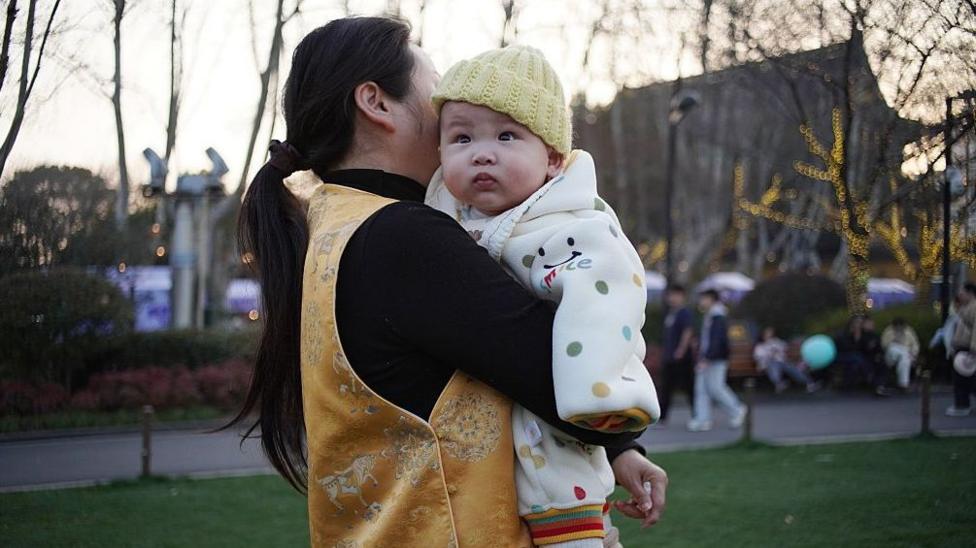 Image source, Getty Images
Birth rates in China have been falling for years now